


The best Thai restaurant for a particular outing needs to suit the people making the visit. A promising menu is only part of that choice when someone needs clear information about entrances, movement around a table or communication during the meal. The overlooked detail is often the gap between a broad description and the specific arrangement a diner requires.
This guide compares the practical questions that help close that gap. It does not verify particular access facilities at Chanya Thai; ask the restaurant directly about the current layout and your proposed visit. What information will let you decide whether a table, route and dining arrangement are suitable before the group commits to the evening?
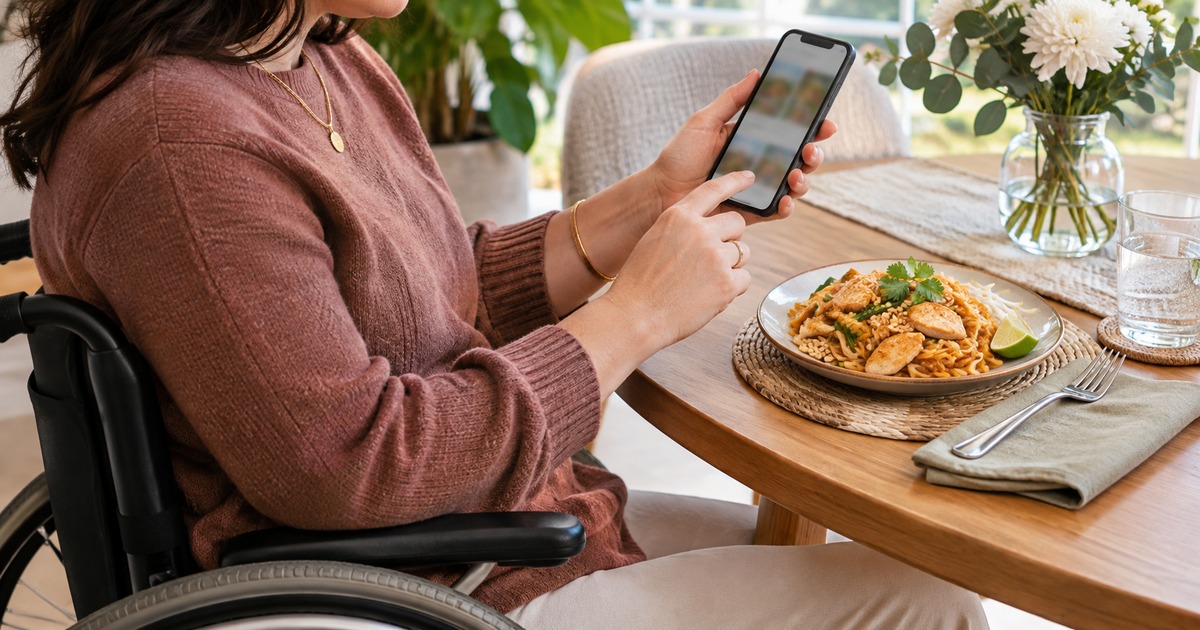
A general description and a usable detail serve different purposes
A short description such as “easy access” may be helpful as a starting point, but it leaves several questions unanswered. One person needs a step-free route, another needs a particular chair arrangement, and another wants a clearer way to communicate when ordering. The same broad label cannot describe every diner’s experience.
Begin by identifying the details that matter to your own outing. Describe what you need to do, such as enter without using steps or sit with a mobility aid beside the table. A practical description gives staff a more useful question than asking whether the restaurant is suitable for every possible access requirement.
Keep the enquiry focused on the proposed visit. A restaurant may need to check the current layout, table allocation or route before answering. Allow time for that check instead of interpreting an immediate uncertainty as a final answer. Where a detail is essential, wait for clear information before treating the venue as a suitable choice.
Compare the arrival route with the entrance itself
Restaurant access begins before reaching the door. Consider the route from the point where the diner will arrive, whether that involves parking, being dropped off or approaching from another location. Ask about relevant surfaces, steps, doors and any alternative entrance the restaurant actually uses. Do not assume a route exists because the dining room looks level in a photograph.
The entrance is a separate part of that journey. Ask whether there are steps, thresholds or door arrangements that affect your visit. If dimensions matter, explain which measurements you need and ask for current information. A general statement about access is less useful than knowing the detail that determines whether your equipment or preferred route will work.
Compare the answer with your own needs rather than an imagined standard visitor. You do not need to disclose unrelated personal information to ask a clear practical question. If staff cannot confirm the essential route, consider another dining plan while you clarify the uncertainty instead of leaving the decision until arrival.
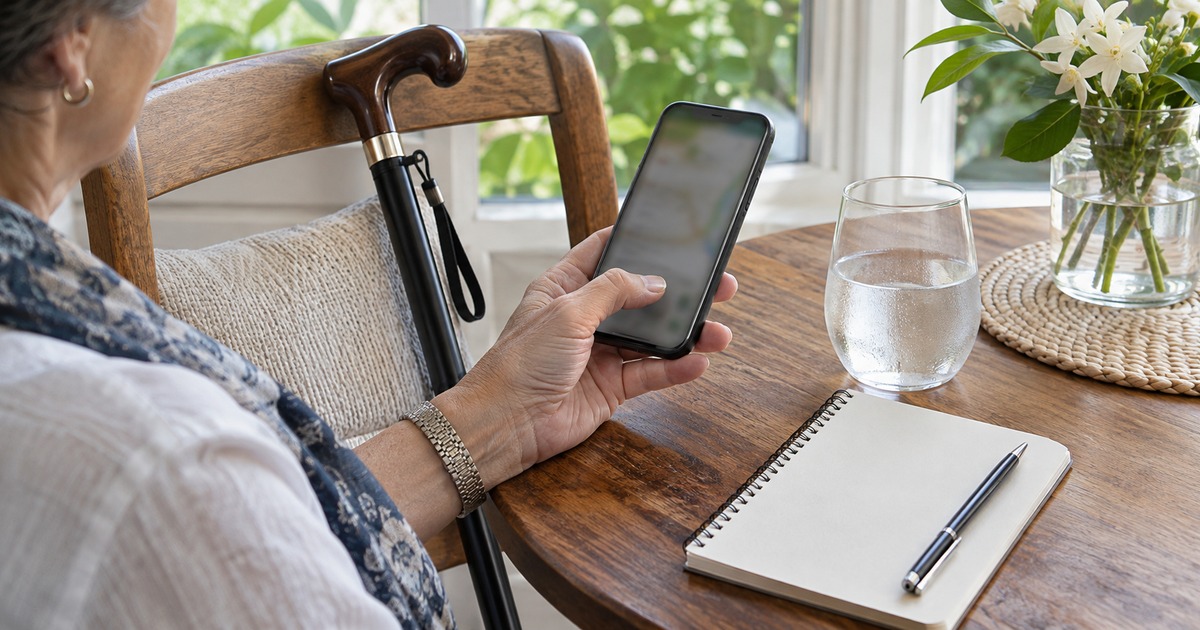
Compare getting to a table with using the table comfortably
Reaching the dining area does not settle the seating arrangement. Ask about the route between tables, available table space and the proposed place setting. A diner may need room to approach from a particular direction or remain in their own chair. Explain the arrangement you want so staff can consider an appropriate table rather than guessing.
Check what happens to other equipment during the meal. A walking aid, folded item or bag may need a suitable place within reach without obstructing movement. Ask what can be accommodated at the intended table. Avoid relying on a photograph that may show a different layout from the one used on your visit.
Chanya Thai describes a small dine-in space on its official website. That makes an early conversation about the party and seating useful, but the description does not establish particular dimensions or facilities. Ask about the actual arrangement proposed for your group and confirm any essential detail before accepting the booking.
Compare dining-room access with the facilities you will need
A suitable place at the table is one part of the visit. Consider any other facility or route that matters to the diner, and ask about it separately. Information about the entrance should not be taken as an answer about toilets, internal doors or another part of the premises.
Use specific booking questions rather than asking staff to infer the whole plan. If a toilet arrangement is important, ask what is available and what route reaches it. Where you need a measurement or a particular feature, identify it clearly. The useful answer concerns the present facility, not a guess based on the restaurant’s overall appearance.
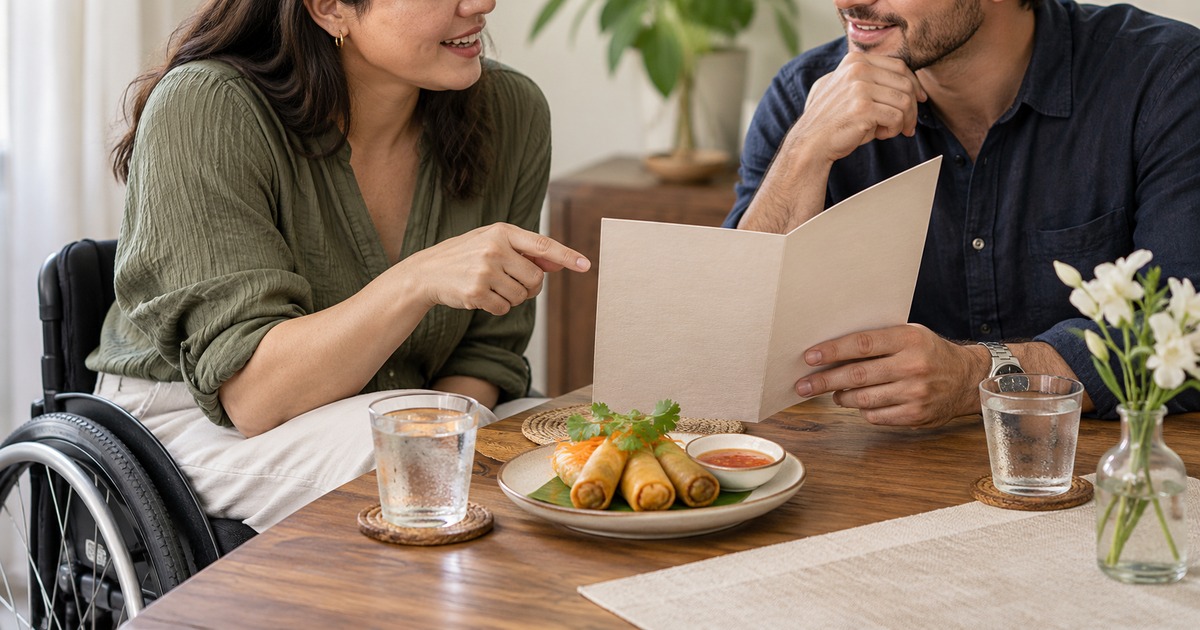
Compare the physical setting with communication preferences
Noise, lighting and the way information is presented can also influence the meal. Ask about the likely setting for your preferred time and whether a particular table location can be requested. A quieter area may matter to a conversation, but a request is not a guarantee that the room will remain quiet throughout the visit.
If menu information or ordering communication needs a particular approach, explain that when arranging the visit. Ask what the restaurant can provide rather than assuming an online menu, printed menu or verbal description will suit everyone. Keep the conversation about the information the diner needs to make their own choices.
Our guide to assessing restaurant noise for conversation explores another part of the same planning task. Practical Albany dining decisions can involve several preferences at once, so agree which details matter most to the group before searching for a single perfect table.
Turn the answers into a clear booking arrangement
Once the essential questions have been answered, confirm the date, party size and proposed seating or other arrangement. Identify which details have been accepted and which remain requests. A booking enquiry does not automatically reserve a particular table, and a table reservation does not automatically confirm every access detail discussed.
Keep the relevant response available for the person attending. If another family member made the enquiry, pass on the actual answer rather than a shortened “it will be fine”. That gives the diner a chance to check whether the arrangement meets their needs before the evening is committed.
If plans change, contact the restaurant early. A different party size or equipment arrangement may affect what was discussed. Our guide to making a clear special booking request explains why specific communication helps a restaurant respond to the occasion you are actually planning.
A checklist for choosing the right restaurant
- Identify the access details essential to the diners attending.
- Ask about the full arrival route and the entrance separately.
- Confirm the table approach, seating arrangement and relevant space.
- Enquire about other facilities you will need during the visit.
- Discuss communication, noise or lighting preferences where relevant.
- Distinguish accepted arrangements from unconfirmed requests.
- Keep the current response and update the restaurant if plans change.
Choose the restaurant on the clarity and suitability of those answers as well as the menu. The best Thai restaurant for your group is one whose confirmed arrangement fits the actual visit, rather than one selected solely from a reassuring description.
Make the choice with useful information
Clear questions make restaurant access planning more manageable. Compare the route, entrance, table and other required facilities as separate parts of the visit, then confirm the arrangement that matters to your group. Specific answers support a more confident dining decision.
Considering Chanya Thai in Albany? Call 08 9800 1901 to discuss your proposed date and practical requirements. Ask the team to clarify essential details before treating the booking as suitable for your visit.
Frequently asked questions
Does this guide confirm Chanya Thai’s access facilities?
No particular facility or layout is verified here. Ask the restaurant directly about the current premises and the details relevant to your proposed visit.
Is a step-free entrance enough information?
Consider the whole route, table arrangement and any other facilities you need. One confirmed feature does not answer every question about the visit.
What should I say when making an enquiry?
Describe the practical arrangement or measurement you need. Specific questions help staff check the current layout and give a useful answer.
Should I recheck an arrangement after changing the booking?
Yes, contact the restaurant when a change could affect the agreed plan. A different group size or seating need may require another discussion.