

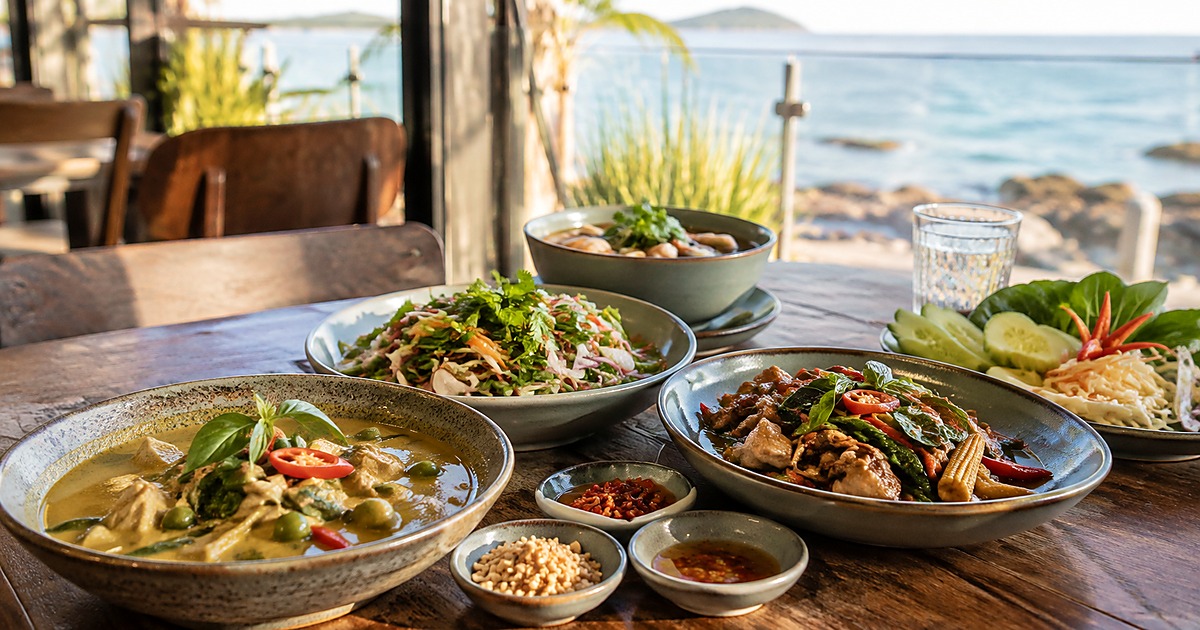
Searches for the best Thai restaurant promise a simple ranking, but dining rarely works that way. A family ordering mild dishes, a couple seeking a relaxed evening and a traveller wanting takeaway after a day around Albany may all prefer different places. Price, popularity and star ratings can help narrow options, yet none of them explains whether the food and experience fit the occasion.
A more useful comparison looks at flavour balance, consistency, menu clarity, hospitality and practical local details. Chanya Thai presents traditional recipes, fresh herbs, a small dine-in setting and online takeaway and reservation options on its official website. Those are verifiable attributes. Whether it is the “best” depends on what the diner values and what happens during the actual visit.
Why the shortcut is tempting
People use shortcuts because restaurant choices involve uncertainty. A high review score feels like evidence, a busy room suggests popularity and a low price looks like value. These signals are not useless, but each can be distorted by timing, expectations, sample size or the type of meal being judged.
The strongest decision comes from combining signals. Read recent reviews for patterns, inspect the current menu, check whether ordering and booking suit your plan, and notice whether the restaurant explains its food clearly. One dramatic comment should not outweigh repeated evidence, and one attractive price should not outweigh an unsuitable menu.
Five myths about choosing the best Thai restaurant
Myth 1: The cheapest Thai restaurant offers the best value
Reality: Value includes flavour, portion usefulness, ingredient quality, service and convenience. A lower total can be excellent, but only when the meal satisfies the group. Ordering extra dishes to compensate for a poor fit can erase the saving.
Myth 2: The busiest restaurant must cook the best food
Reality: A queue can reflect location, a promotion, limited seating or a popular time. Busy service may indicate trust, but it does not reveal whether the menu suits your taste, dietary needs or schedule. Consider popularity as one signal, not a verdict.
Myth 3: The highest star rating tells the complete story
Reality: Ratings combine different expectations and may include old experiences. Read recent written reviews for recurring details about food, service and takeaway. Give more weight to specific, balanced accounts than to vague praise or anger.
Myth 4: Authentic Thai food must be extremely spicy
Reality: Thai cuisine includes mild, aromatic, sweet, sour and deeply savoury dishes as well as fiery ones. Authenticity is better assessed through balance, technique and the identity of each dish. Maximum heat can hide flaws just as easily as it can create excitement.
Myth 5: A huge menu proves greater quality
Reality: Menu size shows range, not execution. A focused menu can support consistency, while a broad menu can be useful for groups. Look for clear categories, coherent dishes and evidence that different cooking styles receive appropriate attention.
Criteria that reveal more than popularity
Flavour balance and dish identity
A curry should not taste like the same sauce as every stir-fry. Soup, salad, noodles and wok dishes should have recognisable personalities. Sweetness, acidity, salt, chilli and herbs should support the ingredients rather than blur them.
Consistency across occasions
The best Thai restaurant for a diner is one that performs reliably at the times they use it. Look for patterns across weekday takeaway, weekend dine-in and group meals. Consistency matters more than one exceptional plate followed by several disappointing ones.
Hospitality and communication
Clear booking, accurate wait times and honest answers about dietary requests are part of quality. Warm service does not require formality. It means guests understand what to expect and feel comfortable asking sensible questions.
Fit for the occasion
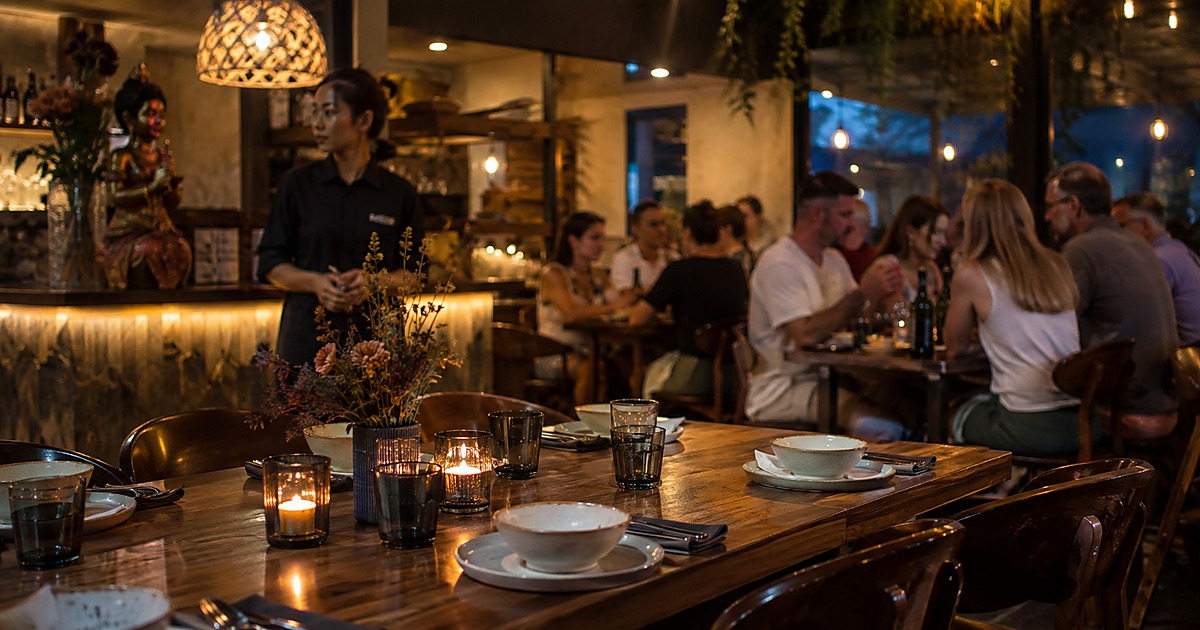
A small, intimate room may be ideal for a couple and less suitable for an unplanned large group. Online takeaway may solve a busy family night, while a reservation protects a special dinner. The “best” choice aligns setting and service with the plan.
How to compare two Thai restaurants fairly
Compare the same type of experience. A dine-in meal should be judged on atmosphere, pacing, food and service; takeaway should be judged on ordering, collection accuracy, travel quality and value. It is unfair to rank a crisp dish after a long drive against the same dish eaten immediately at another venue.
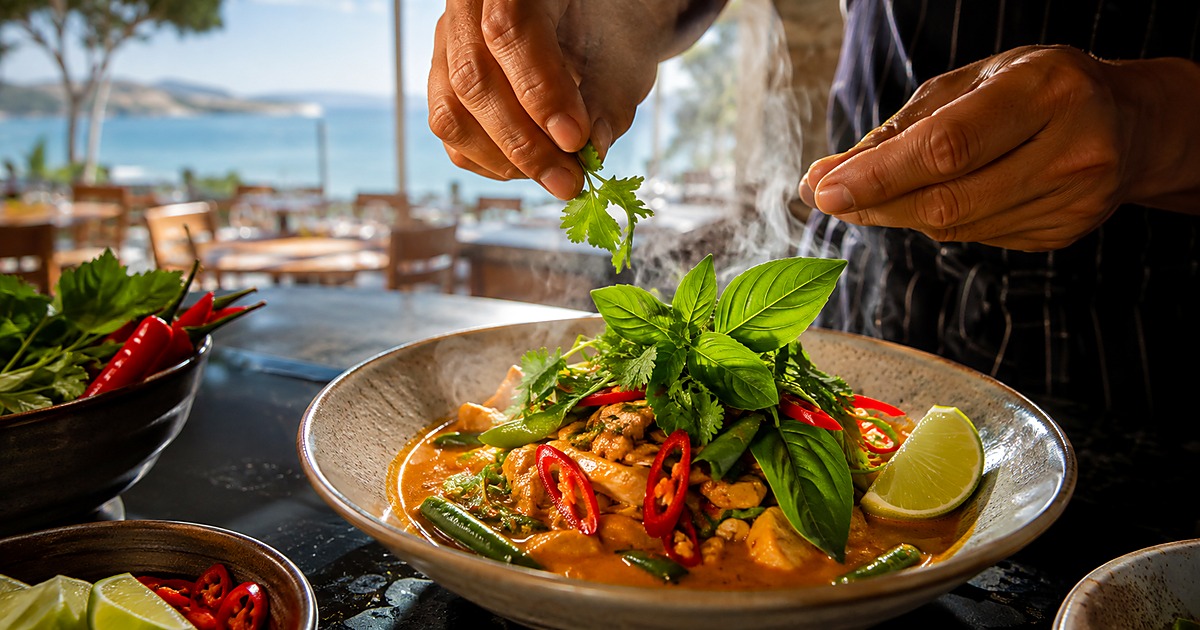
Use a small evidence set: current menu, official service information, recent reviews and your own priorities. Then choose one or two dishes that reveal the kitchen rather than ordering only the safest familiar item. A soup, curry, herb-led salad or high-heat stir-fry can show how the restaurant handles balance and technique.
- Check the date of menus and reviews.
- Separate dine-in and takeaway experiences.
- Look for repeated details rather than isolated opinions.
- Compare the final meal value, not only individual prices.
- Assess whether the venue suits group size, time and dietary needs.
- Allow more than one visit before making a permanent judgement.
What “best Thai restaurant” can mean in Albany
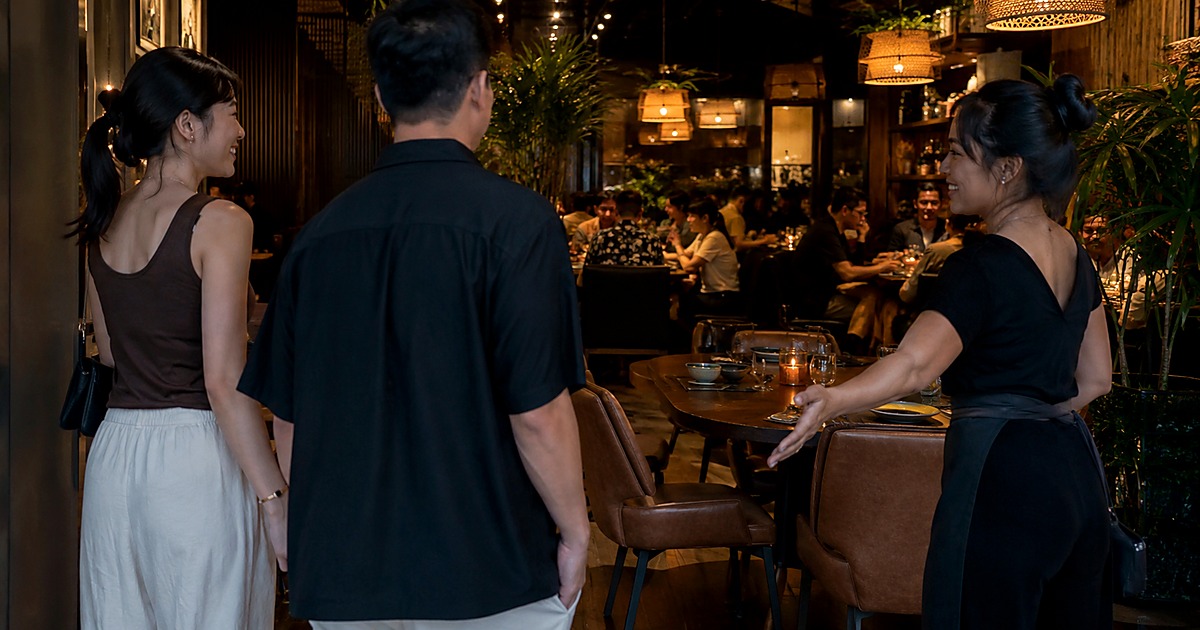
Albany diners balance local routines with visitor needs. A venue close to the town centre can be useful after work, after checking into accommodation or after a day near the coast. On cold evenings, a warm compact room may be part of the appeal; on busy weekends, reliable booking and takeaway become more important.
Chanya Thai is located at 12/76 Proudlove Parade and provides a live takeaway ordering page and reservation page. Readers can also explore an existing guide on how to find a Thai restaurant nearby. These local facts help a customer decide; unsupported superlatives do not.
Red flags and practical checks
- The menu is current and contains dishes suited to the group.
- Recent reviews describe specific, repeated experiences.
- Food photos appear realistic and correspond with the menu.
- The restaurant communicates booking and takeaway options clearly.
- Dietary questions receive direct, honest answers.
- The setting suits the party size and occasion.
- Price is assessed alongside portions, quality and convenience.
- The final judgement is based on more than one shortcut.
Frequently asked questions
Does a high rating guarantee the best Thai restaurant?
No. A rating is a useful starting point, but it combines many expectations and dates. Read recent comments, check the menu and consider whether the reviewer wanted the same type of meal you do.
Is expensive Thai food always better?
No. Higher price may reflect ingredients, location, service or portion size, but it does not guarantee balance or suitability. Compare the complete experience and the amount of useful food for your group.
How can I judge authenticity without being an expert?
Look for clear dish identities, purposeful use of herbs, balance rather than one overwhelming taste, and explanations that respect Thai cuisine. Avoid treating extreme chilli or unfamiliarity as automatic proof of authenticity.
How should I choose a Thai restaurant in Albany?
Define the occasion, review current information on the official venue website, check booking or takeaway availability and read recent reviews for patterns. For Chanya Thai, use the official pages rather than an old directory listing.
The best choice is specific, not universal
Price, popularity and ratings are useful clues, but they cannot taste a curry for you, manage a group booking or decide whether takeaway fits the evening. The best Thai restaurant is the one that consistently delivers the food, hospitality and convenience that matter for the occasion.
For an Albany comparison, start with verifiable details: the Chanya Thai menu and venue information, current reservation and takeaway options, local location and recent customer feedback. Then make a reasoned choice. A specific, evidence-based recommendation is more trustworthy than a generic claim that one restaurant is best for everyone.