

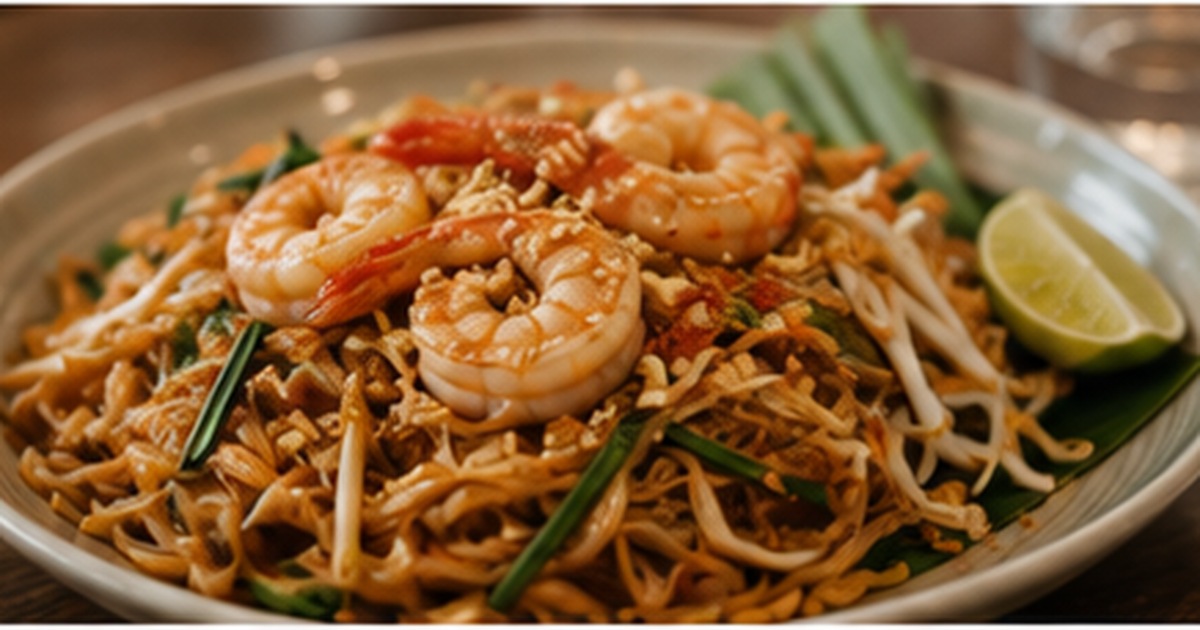
A Thai food menu offers variety, but variety on the page does not guarantee variety on the table. It is easy to order three coconut curries because everyone recognises them, or several fried entrées because they sound convenient. Each dish may be enjoyable, yet the meal can become rich, soft, sweet or repetitive when the cooking styles are too similar.
A stronger order uses contrast deliberately. Chanya Thai’s current menu includes soups, entrées, curries, spicy salads, stir-fries, noodles, rice and desserts, which gives diners several ways to balance a shared meal. This guide explains common ordering mistakes and a simple method for choosing dishes that feel connected without tasting the same.
Why the shortcut is tempting
Familiarity reduces risk. When a group is hungry, people choose the dishes they already know, then duplicate the same flavour profile under different names. Online menus can intensify the habit because diners scroll quickly and add items one by one rather than seeing the whole table.
The solution is not to order unfamiliar food for its own sake. It is to pause before checkout and classify the order by role: rich, fresh, crisp, saucy, mild, spicy, rice or noodles. If one category dominates, swap a dish rather than simply adding more.
Five common Thai food menu mistakes
Myth 1: Every person needs a separate main
Reality: Thai meals often work well when several dishes are placed in the centre with rice. Sharing creates variety and lets each diner control portions. Individual dishes may still be appropriate for allergies, strong preferences or a quick lunch.
Myth 2: Ordering several curries creates variety
Reality: Different curry pastes and proteins matter, but several coconut-based sauces can make the table uniformly rich. Pair one curry with a wok dish, salad, soup or vegetables so texture and acidity change between bites.
Myth 3: Entrées are the safest way to please everyone
Reality: Crisp starters are popular, yet an order dominated by fried items can feel heavy and may travel poorly. Use an entrée as one texture within the meal, not as the entire strategy for cautious diners.
Myth 4: Rice is optional when there are noodles
Reality: Noodles can be a main element, but rice performs a different role. It carries curry and stir-fry sauces and helps moderate salt and chilli. A shared table with strong saucy dishes often benefits from rice even when noodles are included.
Myth 5: The hottest dish is the most authentic
Reality: Authenticity is not a chilli competition. Mild and medium dishes can show complex aromatics and traditional techniques. A mixed group usually enjoys the meal more when heat levels vary and every diner has a route through the table.
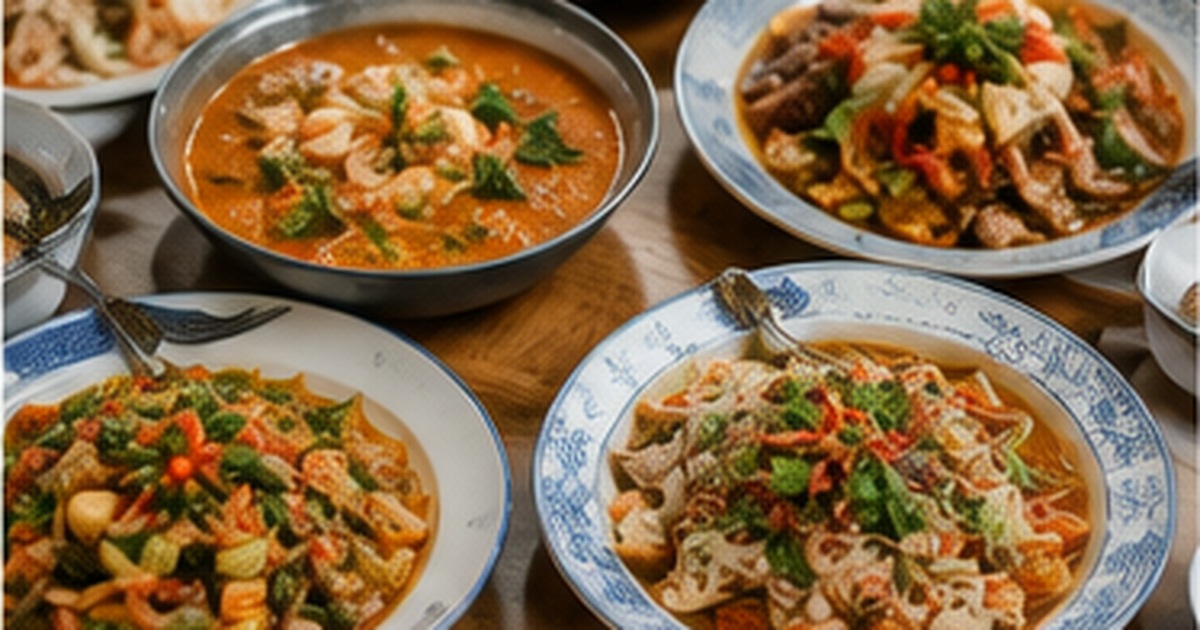
Four dimensions to check before ordering
Cooking method
Choose from more than one method: simmered curry, high-heat stir-fry, fresh salad, soup or fried entrée. Different methods create different aromas and textures even when ingredients overlap.
Flavour direction
Identify which dishes are rich, sour, savoury, sweet or chilli-led. One dish can contain several tastes, but the leading character should vary. A zesty salad is especially useful beside coconut or fried food.
Texture
A satisfying table moves between soft rice, saucy curry, crisp vegetables, tender protein and fresh herbs. If every dish is soft and wet, the meal can feel monotonous regardless of flavour.
Practical service
Consider how the food will be eaten. Dine-in gives crisp items the shortest path from kitchen to table. Takeaway favours curries, rice and saucy dishes. Group size, travel time and serving equipment should influence the final mix.
A simple menu-building example
Imagine four diners choosing dinner. The repetitive order might contain green curry, red curry, Panang curry and rice. It offers different pastes but repeats coconut richness and soft texture. A more varied order could keep one curry, add a basil or garlic stir-fry, include a spicy noodle salad or vegetable dish and serve jasmine rice.
Neither order is universally correct. A curry-loving group may prefer the first. The point is awareness: when you understand what will repeat, the choice becomes intentional. Use the menu categories as a planning map, not merely a list of products.
- Select one centrepiece with sauce.
- Add one dish cooked by a different method.
- Include vegetables or a fresh, sour component.
- Check that mild and spicy diners both have options.
- Add enough rice for shared curries and stir-fries.
- Limit travel-sensitive crisp food when ordering takeaway.
Using the Chanya Thai menu for an Albany meal
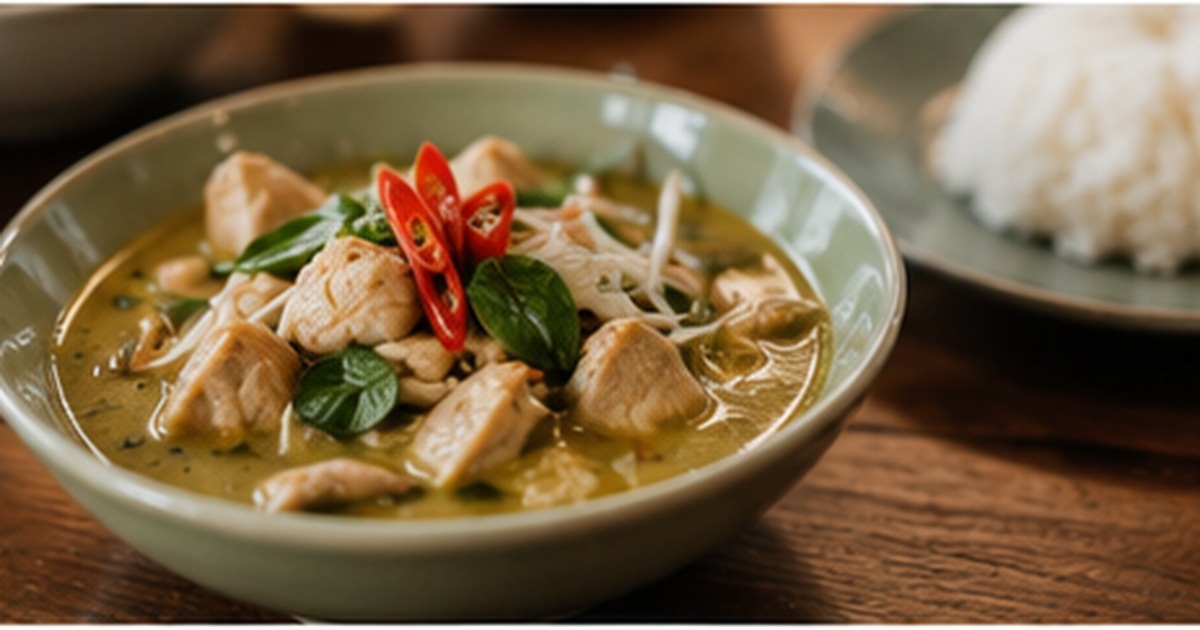
The Chanya Thai website currently shows menu sections ranging from Tom Yum and Tom Kha to curries, salads, stir-fries, Pad Thai, fried rice and desserts. That breadth makes it possible to build contrast without leaving the restaurant’s core Thai offering. Prices and availability can change, so use the live menu rather than copying an old list into a future article.
For dine-in, reserve through the official booking page when weekend timing matters. For an Albany takeaway, review the online order page and think about the journey. A curry, rice and stir-fry generally tolerate travel better than a table dominated by crisp entrées.
Red flags and practical checks
- More than one cooking method appears in the order.
- The table includes both rich and fresh or acidic elements.
- Textures vary instead of repeating soft or fried food.
- Rice quantity matches the number of saucy dishes.
- Spice levels suit the whole group.
- Dietary needs have been confirmed directly.
- Takeaway travel time has influenced sensitive choices.
- Every added dish has a purpose rather than filling a category.
Frequently asked questions
How many dishes should two people order from a Thai food menu?
It depends on appetite and portion size, but a common approach is rice plus two contrasting mains, or one main and a substantial noodle or rice dish. Ask the restaurant about current portions and plan leftovers safely.
Should a shared Thai meal include both rice and noodles?
It can. Rice supports curries and stir-fries, while noodles may provide a separate dish and texture. For a small group, choose quantities carefully so carbohydrates do not displace vegetables and mains.
What is a good first Thai order for a group?
Use one familiar dish, one aromatic curry or soup, one vegetable or fresh dish and rice. Add an entrée only when timing and appetite support it. Vary heat so first-time diners have comfortable options.
Where can I see the current Chanya Thai food menu?
Use the official Chanya Thai website or the live online takeaway menu. Those sources are more reliable for current dishes and prices than an old image or third-party directory.
Design the table, not just the cart
The most common Thai food menu mistake is not choosing the “wrong” dish. It is failing to notice how the dishes relate. Repeated cooking methods, textures and flavour directions can make a large order feel smaller than it is, while a thoughtful combination can make a modest order feel complete.
Before booking or ordering from Chanya Thai in Albany, scan the whole menu and assign each dish a role. Keep one favourite, add contrast and use rice to connect the meal. The result will show more of what Thai cuisine can do without requiring an oversized or complicated order. Continue exploring menu education in Thai Food & Recipes.