

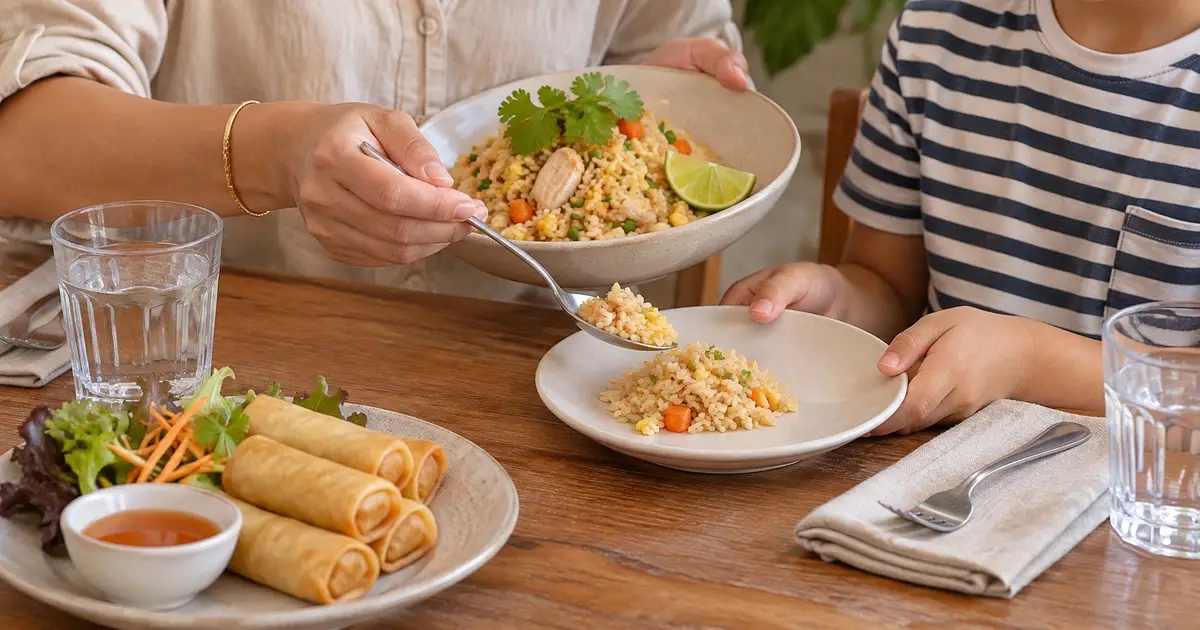
A first Thai restaurant visit with children often goes better when the plan is simple. Adults may be excited to try several dishes, while a child is concentrating on an unfamiliar room, a different plate and a meal arriving at a different pace. The useful preparation is about making the occasion understandable, not guaranteeing that everyone will enjoy every flavour.
This guide compares the choices that shape a first Thai meal: familiar and new dishes, individual plates and sharing, an easy outing and an ambitious evening. Chanya Thai describes a small dine-in space and publishes a varied menu. What should you ask and arrange before bringing the family to the table?
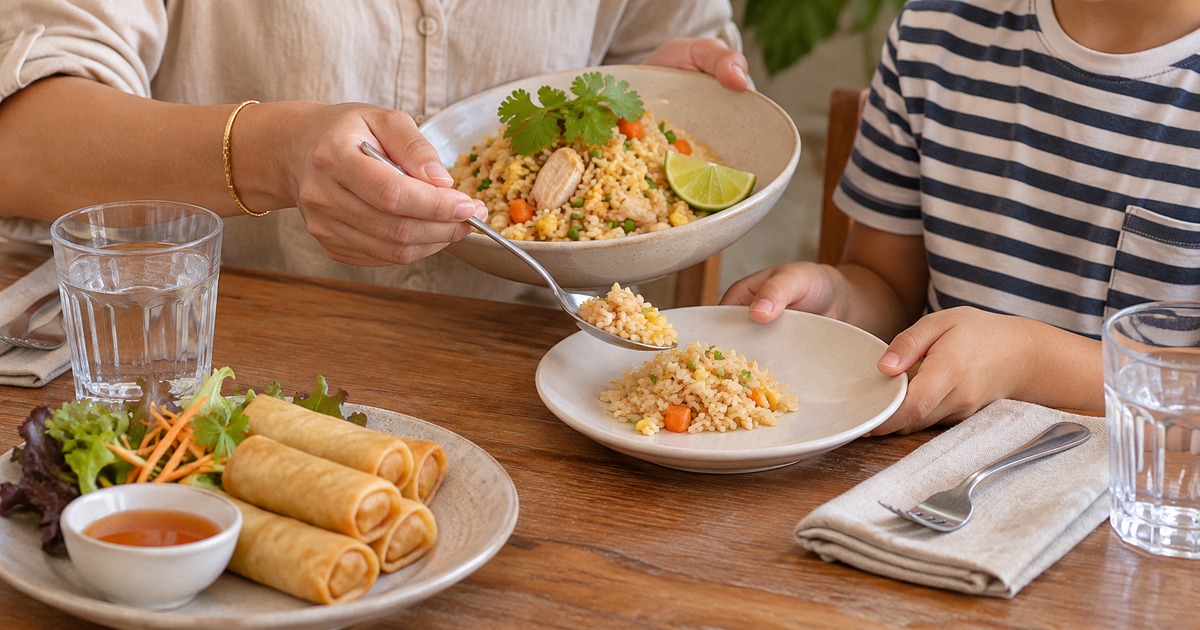
A manageable first outing versus a complicated celebration
Think about the occasion before choosing the dishes. A straightforward family dinner gives you different flexibility from a large celebration with speeches, relatives and several courses. For a first visit, a plan with fewer moving parts can make it easier to notice what the children enjoy and what needs changing next time.
Consider the whole evening, including travel and what happens afterwards. Choose a proposed sitting that suits the family, then confirm availability directly. There is no universal ideal dining time for every child. Your knowledge of the family matters more than a rule that assumes all children have the same routine.
Explain the plan in ordinary terms before leaving: where you are going, who will be there and whether food will be shared. Keep expectations flexible. A successful restaurant visit can mean a calm meal and one new taste, rather than everybody completing a long list of unfamiliar dishes.
Familiar flavours versus a completely new plate
Look through the current Chanya Thai menu together where practical. Familiar ingredients can provide a useful bridge: a child may recognise rice, noodles or chicken even when the finished dish is new. Describe what is listed without promising that it tastes exactly like a meal they already know.
Fried rice, Pad Thai and other named dishes still have their own preparations. Do not assume any option is automatically mild, plain or suitable for a particular dietary requirement. Ask the restaurant about the dish you are considering and the adjustments, if any, it can actually accommodate.
Offer a small introduction without making it a test
Where the family’s chosen arrangement allows it, a small taste from a confirmed suitable dish can feel less demanding than an entire unfamiliar plate. Let the child respond honestly. Liking one ingredient and leaving another is useful information for the next meal, rather than a reason to turn dinner into a negotiation.
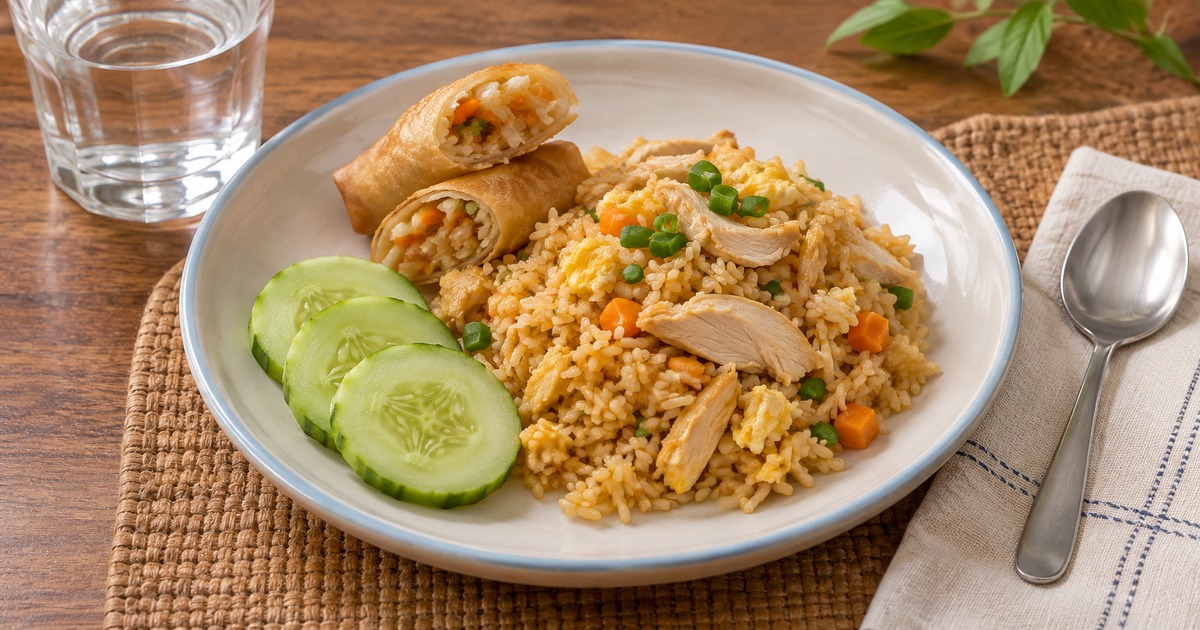
Shared dishes versus individual meals
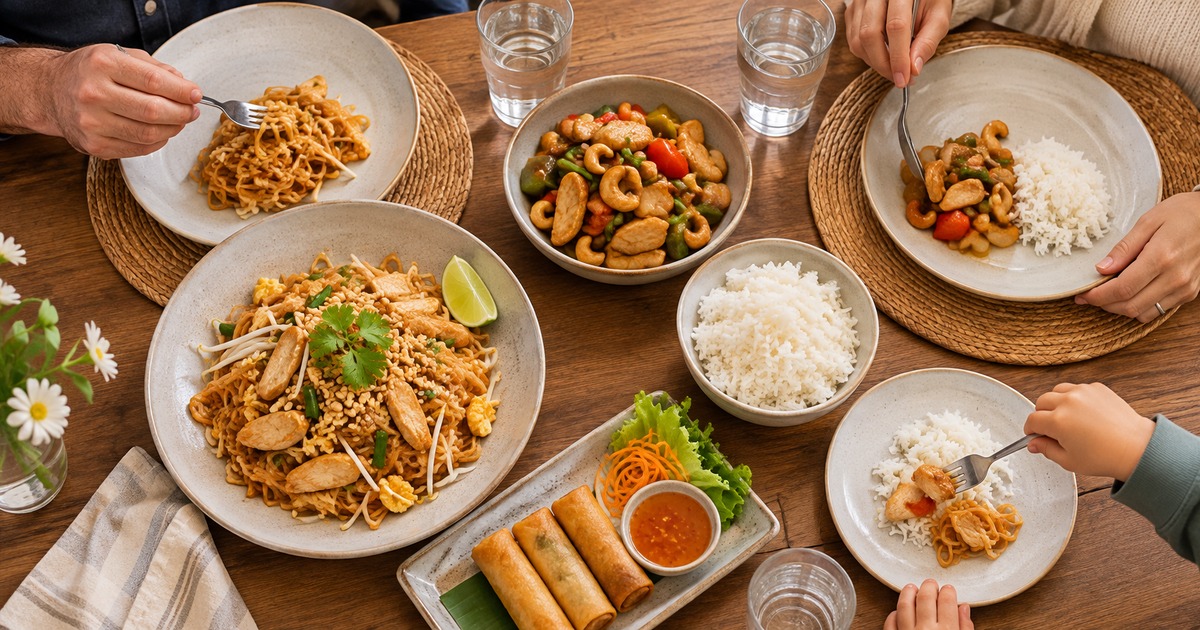
Sharing lets people taste several dishes, but it also requires agreement about portions and serving. Adults may be comfortable moving between curry, noodles and rice while a child prefers a clear individual plate. Both preferences can fit the same table if the group decides how the food will be divided.
Individual meals can make ownership simpler, particularly when diners have distinct requirements. Shared dishes can suit a family that enjoys passing plates and choosing small amounts. Neither approach is automatically better. Consider appetite, the table space and the amount of help children will need while adults are serving themselves.
Children’s portions can mean a modest amount served from the family’s order; it does not establish that the restaurant offers a separate children’s menu or special portion size. Ask about any option you need. For more practical serving ideas, read the guide to serving shared Thai dishes on separate plates.
A short considered order versus too much variety
An extensive selection can look inviting, yet make a first meal harder to organise. Several sauces, bowls and shared plates may leave little room for individual settings. Begin with dishes the table understands and quantities that suit the diners, then ask the restaurant about the proposed order if you are uncertain.
Include adults’ preferences as well as the children’s. Family dining does not require everyone to eat identically. One adult might enjoy a curry while another helps divide noodles or rice. Agree on those practical roles before the dishes arrive so the whole meal does not depend on one person serving everybody at once.
Keep the final selection clear when ordering. Similar names or different protein choices can be easy to confuse while a family is discussing several options. Repeat the intended dishes and quantities, then check the confirmation available through your ordering method. A clear order supports a calmer start to the meal.
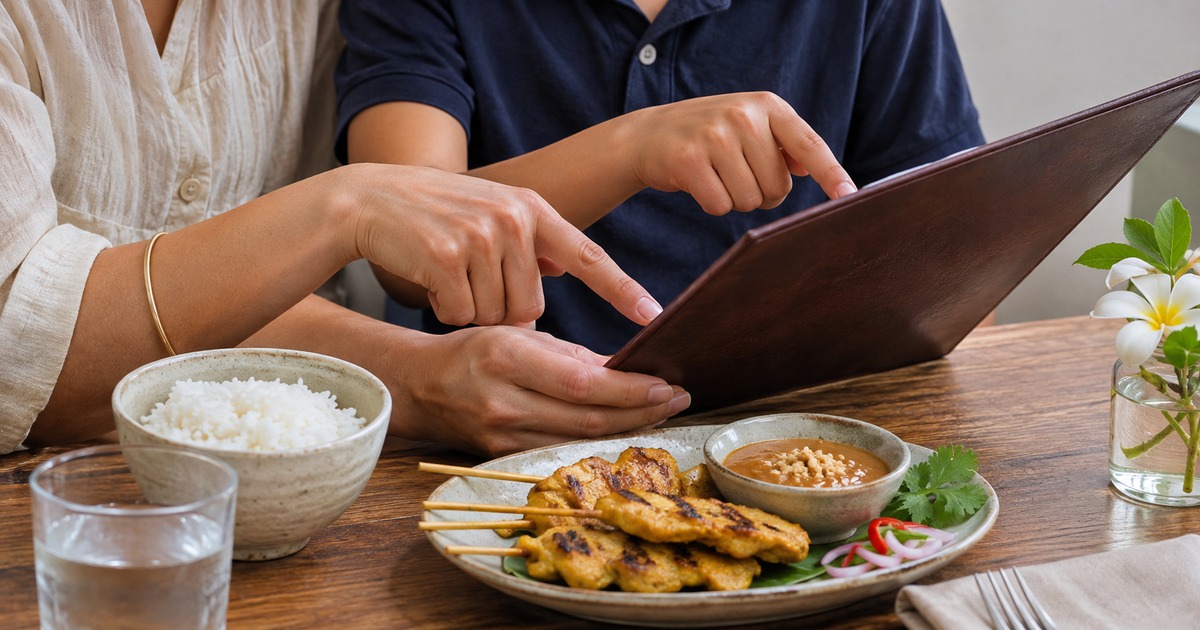
Useful booking questions versus assumptions about facilities
Tell the restaurant the party size, including children, and explain any seating requirement that affects the booking. In a small dining room, the arrangement matters. Ask about a particular chair, pram space or access need before relying on it; the existence of a booking form does not confirm every facility.
Ingredient questions deserve the same specific approach. Explain the requirement and ask about the actual preparation before choosing the dish. A vegetable name, a familiar ingredient or the absence of an obvious garnish cannot establish that a meal meets a dietary need. Keep the answer connected to the person and order concerned.
Once the restaurant confirms what is available, share the practical plan with the adults attending. They should know which dishes are shared, any separate arrangements and who will help with serving. This avoids well-meant changes at the table that conflict with something already discussed.
If several adults are organising the outing, choose one booking contact. That person can collect the family’s questions, confirm the answers and pass on any changes. It is easier for everyone to follow one clear arrangement than several partly different conversations about the same table.
Common first-visit mistakes and a better approach
One mistake is ordering for the photograph rather than the people eating. Another is assuming that a dish the adults call familiar will feel familiar to a child. Keep the first order connected to real appetites and explain the menu honestly. A simpler meal can still offer plenty of flavour and interest.
Rushing to distribute everything at once can also make sharing awkward. Put individual plates and utensils in place, identify any separate dishes and take a moment to organise the table. This guide to eating Thai dishes when they arrive together suggests a flexible serving rhythm.
Finally, avoid judging the whole outing by one declined mouthful. Notice the practical details that worked: a comfortable sitting, clear portions or a dish worth ordering again. Those observations give you a better starting point for the next visit than expecting a perfect first attempt.
Choose a restaurant that can answer your family’s questions
- Confirm the party size and proposed booking time.
- Discuss relevant seating or access requirements directly.
- Read the current dish descriptions before choosing.
- Ask specific ingredient and preparation questions where needed.
- Agree whether meals are individual, shared or a mixture.
- Plan sensible portions and enough room for serving.
- Keep one or two useful observations for the next visit.
Choose arrangements the restaurant can genuinely support and the family can manage comfortably. Clear answers and a suitable setting matter more than an unsupported promise that every child will like a particular dish.
Make the first meal a useful beginning
A first Thai restaurant outing is easier when the occasion, order and serving arrangements are clear. Use familiar ingredients as a starting point, introduce new flavours without pressure and make room for different preferences. The aim is a workable family meal with ideas worth revisiting.
Planning a family dinner in Albany? Explore Chanya Thai’s menu and reservations, or call 08 9800 1901 to discuss your party and any practical requirements before booking.
Frequently asked questions
Does Chanya Thai have a children’s menu?
A separate children’s menu is not confirmed here. Check the current menu and contact the restaurant about available options rather than assuming special portions are offered.
Which dish should children try first?
Start with the child’s preferences and the confirmed preparation. Familiar ingredients can help, but no single dish suits every child or dietary requirement.
Must the whole family share everything?
No. Individual meals, shared dishes or a mixture can work. Agree on the arrangement before ordering and make sure any separate requirements stay clear.
Should children be included in the booking numbers?
Yes. Explain the full party and any seating requirements so the restaurant can discuss an appropriate arrangement and confirm what is available.