

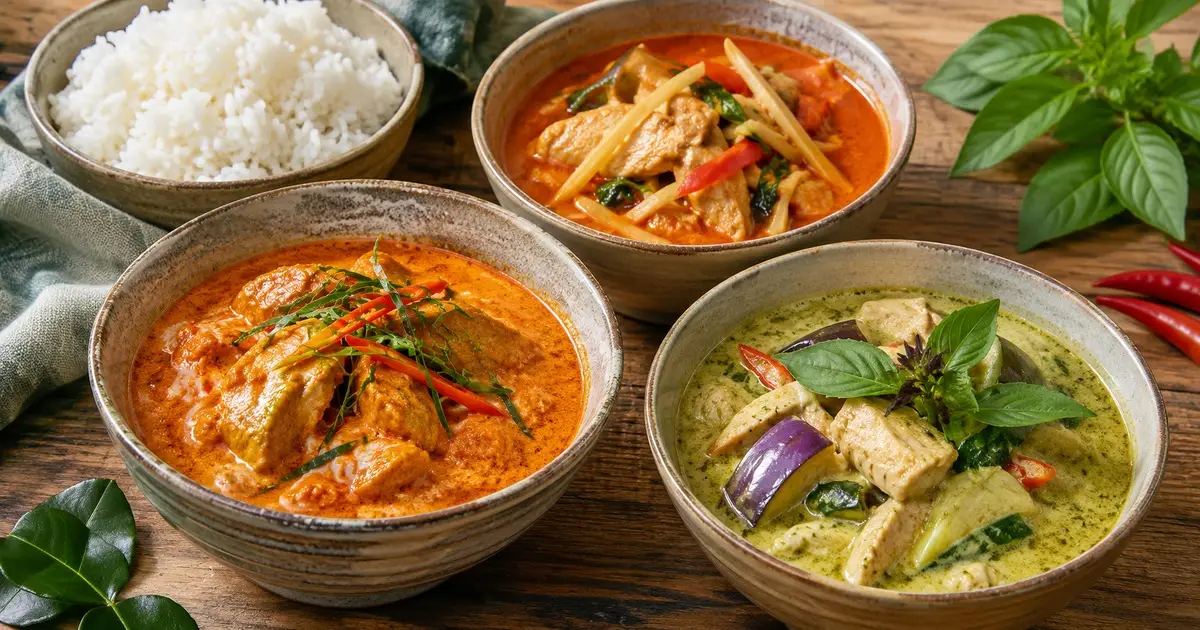
Three curry names can create more questions than answers when you are choosing dinner. Panang, red and green may sit together on a Thai food menu, yet a name or colour alone does not tell you which dish will suit your appetite. The useful comparison starts with the restaurant’s descriptions and the qualities you want from the meal.
This question-led guide helps you narrow the options without turning colour into a fixed heat ranking. It uses Chanya Thai’s published menu as a starting point and highlights the details worth confirming. Would you prefer a particular curry style, a familiar ingredient combination or simply a clear introduction to an unfamiliar dish?
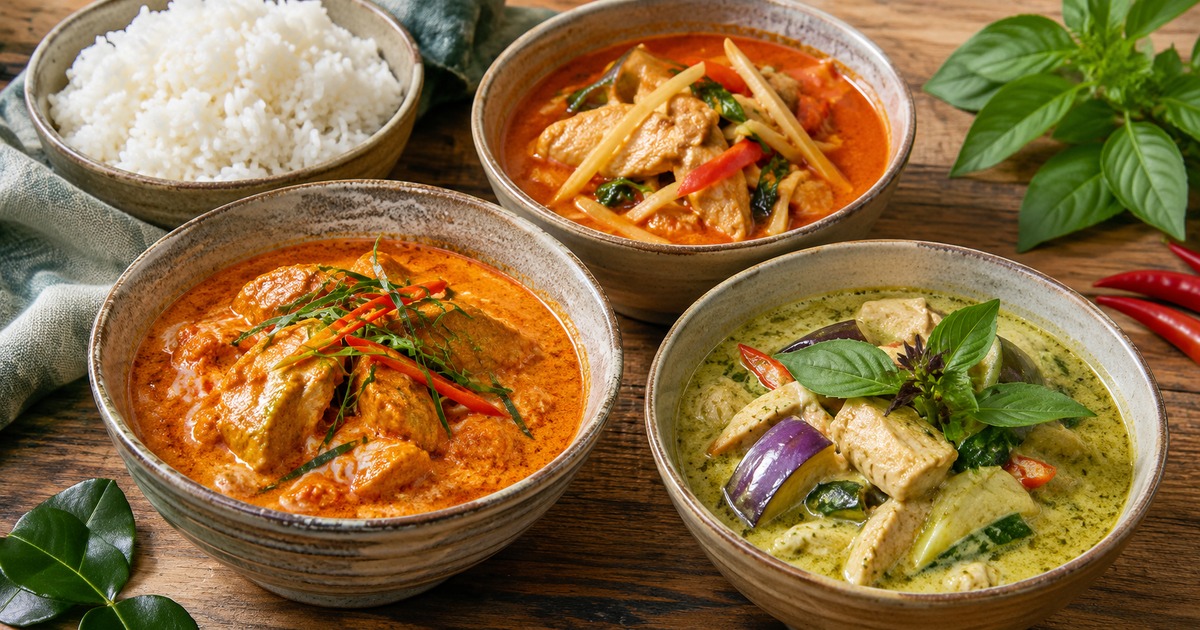
What are you actually hoping to choose?
Begin with a useful preference rather than a competitive question about which curry is best. You might want a sauce you can enjoy with rice, a particular protein or a dish that contrasts with noodles already on the table. These priorities lead to clearer questions than choosing solely from the appearance of a photograph.
If heat matters, ask about the particular preparation and any adjustment the restaurant can accommodate. Do not assume that green always means mild or that red is automatically the hottest option. A dish name cannot account for every recipe, portion or personal preference.
Open the current Chanya Thai menu and read the descriptions together. Keep the curry name, available protein and any relevant ingredient question connected as you compare. If an important detail is missing, that is a reason to ask, rather than fill the gap with a rule borrowed from another restaurant.
Does Panang curry sound like the direction you want?
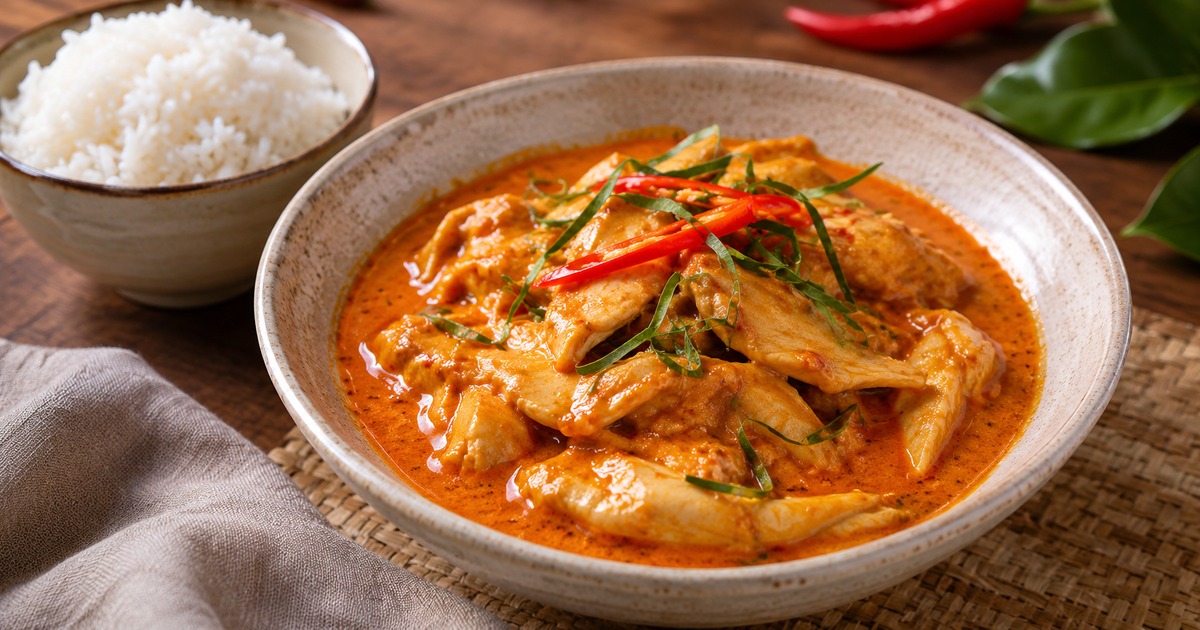
Panang is a distinct curry name, rather than another way to request any red-coloured sauce. Many diners associate the style with a substantial, richly coating sauce, but the restaurant’s own preparation determines the plate you receive. Ask about that preparation if texture is central to your choice.
Chanya Thai’s published Panang curry entry lists vegetable and tofu, chicken or beef choices. That is useful ordering information even when the entry does not provide a detailed ingredient description. Do not automatically transfer the options from a neighbouring curry to Panang. Read the selection attached to the actual dish.
If the description is brief, ask a specific question
For example, ask which vegetables accompany the choice you are considering, or how the kitchen describes the sauce. If ingredients affect a dietary requirement, discuss the complete preparation directly. Never infer the presence or absence of peanuts, fish products or another ingredient from the dish name alone.
Would the red curry description suit the rest of dinner?
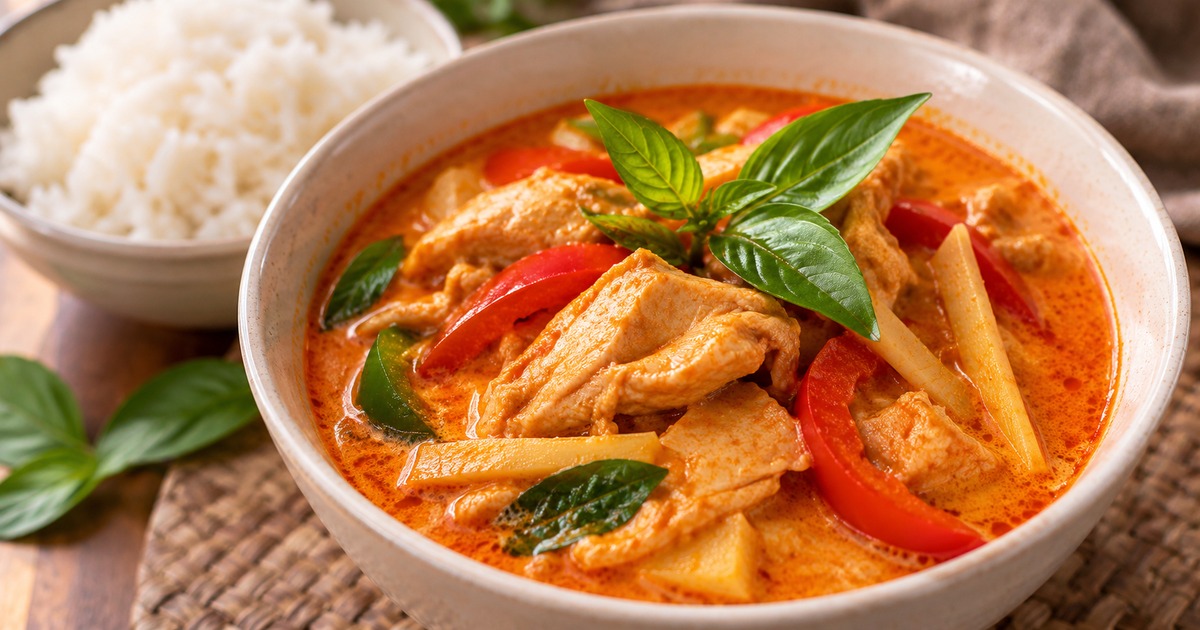
Chanya Thai describes its red curry using red chilli paste, coconut milk and vegetables. Start with that information, then check the protein options shown on the current menu. The sauce is part of the choice, but so are the ingredients served in it and the dishes you intend to eat alongside it.
If the table already plans a different rich curry, consider whether a second curry adds a contrast the group will enjoy. Two similar-looking bowls can still offer different experiences, yet ordering both solely because the names are familiar may leave less appetite for other dishes. Choose around the people eating.
Keep red curry separate from other menu names that contain the word red. Chanya Thai also lists a red duck curry with its own description. That does not mean every red curry order includes duck or the same accompaniments. Confirm the exact dish rather than shortening several distinct choices to “the red one”.
Are the green curry ingredients what you are looking for?
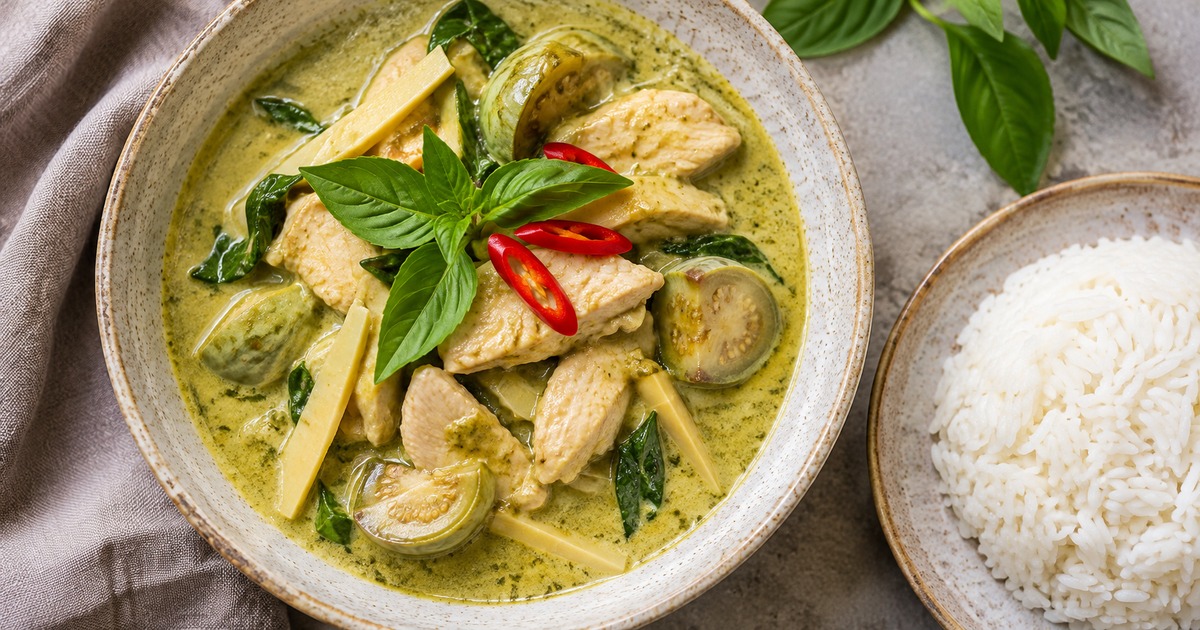
The published green curry description at Chanya Thai identifies meat of your choice with zucchini, capsicum and sweet basil. Use that description to begin the comparison, then review the current choices attached to the dish. Familiarity with a different restaurant’s green curry does not establish this order’s ingredients.
A green appearance is a visual clue, not a complete account of flavour, texture or heat. Ask how the preparation is described and explain the preference you need help with. “I would like to understand the vegetables and available protein choices” gives staff a clearer question than an assumption that every green curry tastes alike.
If the ingredients appeal but you are unsure about another aspect, clarify that before abandoning the choice or requesting a change. The restaurant can explain what is available; it may not be able to remake a curry into an entirely different dish. Keep the final order consistent with the answer you receive.
Have you chosen the protein, rice and sharing arrangement?
Once you choose a curry style, complete the order deliberately. Check the selected protein or vegetable option, the number of serves and whether rice is a separate item. Chanya Thai lists steamed jasmine rice on its menu, so review the actual order rather than assuming every main includes it.
For shared dishes, decide how many people will take a portion and what else they will eat. A curry alongside several mains plays a different role from an individual main for one diner. Ask about suitable quantities when uncertain, without expecting one universal serving rule for every appetite.
Use separate serving utensils where the group’s confirmed arrangements require them. If people prefer to keep sauces apart, begin with modest portions beside the rice. You can add more later. This makes it easier to compare two curry choices without turning the whole plate into one combined sauce.
If you are trying two curries, describe the difference in terms you can use next time: the vegetables you enjoyed, the sauce texture you preferred and the combination that worked with rice. Those observations help you choose again more reliably than remembering only which bowl looked brighter.
Does the complete menu label match your intended dish?
A final check prevents a good comparison becoming the wrong order. Read the complete item name and selected variation, especially when an ordering list contains several similar entries. Check that a remembered favourite still has the description and choices you expected before selecting it again.
This guide to keeping similar Thai dish names straight explains why the whole label matters. The same habit helps with protein choices and quantities. Repeating a previous order should still include a look at the current menu rather than relying entirely on memory.
Descriptions can also contain preparation words that affect your expectations. Read how Thai menu descriptions explain ingredient forms for another useful comparison. The goal is a clear expectation, not an attempt to decode every dish from its name alone.
Which restaurant can clarify the details you need?
- Choose the curry style from its current description.
- Confirm the protein or vegetable option for that exact item.
- Ask about ingredients when a requirement affects the choice.
- Discuss heat preferences without relying on colour rankings.
- Check rice, quantities and the intended sharing arrangement.
- Review the complete order before confirming it.
A useful restaurant conversation connects your preferences with the actual menu. Choose an arrangement that gives you clear answers and an order you understand. If a requested change is unavailable, consider another listed dish rather than expecting the kitchen to promise an entirely new preparation.
Let descriptions guide the curry decision
Panang, red and green curry names help you find a starting point, but the best choice for your dinner comes from the complete description. Compare the ingredients, available options and role of each dish in the meal. Then confirm the details that matter before ordering.
Explore Chanya Thai’s current menu and ordering options, or call 08 9800 1901 to discuss a curry choice for your next Albany dinner.
Frequently asked questions
Is green curry always milder than red curry?
No fixed colour rule describes every preparation or diner’s experience. Ask about the particular dish and whether the restaurant can accommodate your preference before choosing.
Can I select the same protein for every curry?
Check each current menu entry. The available choices can differ between dishes, so do not assume an option listed for one curry applies to another.
Does Panang curry automatically meet a dietary requirement?
No dish name establishes the complete ingredients or preparation. Explain the requirement directly and ask about the particular order before deciding it is suitable.
Is rice included with the curry?
Review the actual menu and order. Chanya Thai lists steamed jasmine rice separately; confirm the quantities you intend to purchase rather than assuming an accompaniment is included.