


The first spoonful of a dessert can reveal more than its photograph. Coconut sago may look like a simple bowl of pale pearls, but the pleasure comes from several textures meeting together. When choosing the best Thai food for your own meal, it is worth giving that final course the same attention as a familiar curry or noodle dish.
Chanya Thai lists coconut sago with taro and sweetcorn on its menu. This guide follows different ways you might experience that combination, from a first taste to a shared finish after dinner. The question is personal and practical: what makes this Thai dessert enjoyable to you, and how can you choose it without treating one preferred texture as a universal rule?
Scenario one: you are trying coconut sago for the first time
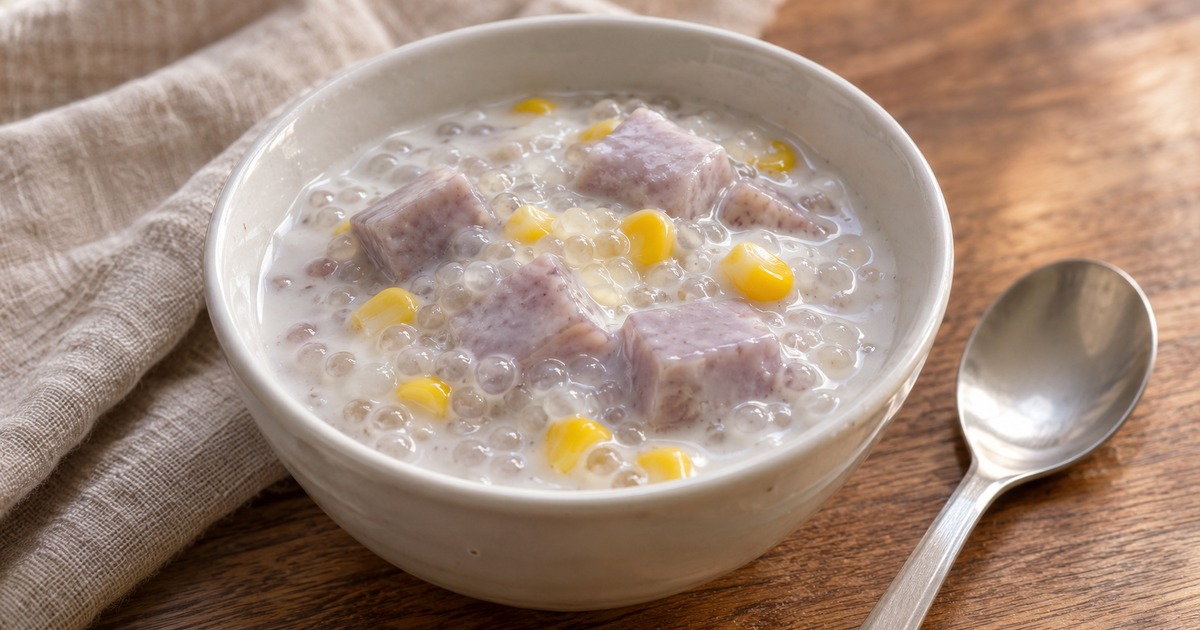
Start with a modest spoonful containing some of the pearls and coconut mixture. Notice the texture before trying to compare it with a familiar Western dessert. It may feel different from a firm pudding, a smooth custard or a bowl of rice pudding. Those comparisons can help describe your preference, but they need not become rules for how the dish should be made.
Look at the relationship between the small pearls and the surrounding mixture. Can you notice individual soft pieces within the spoonful? Does the coconut element connect them into a pleasant mouthful? Take another taste with a little taro or sweetcorn included. The complete combination may give a different impression from tasting the liquid or pearls alone.
If you are ordering because of a photograph, read the menu description as well. A picture cannot establish the exact serving size, temperature or arrangement you will receive. Ask the restaurant about the current dessert and how it is normally served if those details matter to your choice. Begin with the described dish rather than an expectation borrowed from another restaurant.
Scenario two: you prefer either a lighter or thicker texture
Dessert texture is partly a matter of personal preference. One diner enjoys a spoonful that feels loose and creamy, while another prefers more body. A useful tasting note describes that preference clearly: how the pearls feel, how the mixture moves on the spoon and whether the combination suits the rest of the meal.
Avoid judging the bowl solely by thickness. A thicker appearance does not automatically mean more care, and a looser mixture does not by itself identify a problem. Consider how the individual parts work together. The serving should be assessed as a complete dessert rather than as a contest against the texture you remember from a different preparation.
If the dish you receive seems different from what was specifically confirmed, ask about the difference politely. Explain the detail you expected instead of making a broad claim that the dessert is wrong. The restaurant can clarify its preparation or check a genuine mismatch. Specific descriptions are more useful than relying on the word “authentic” to settle a personal preference.
Scenario three: taro and sweetcorn change the mouthful
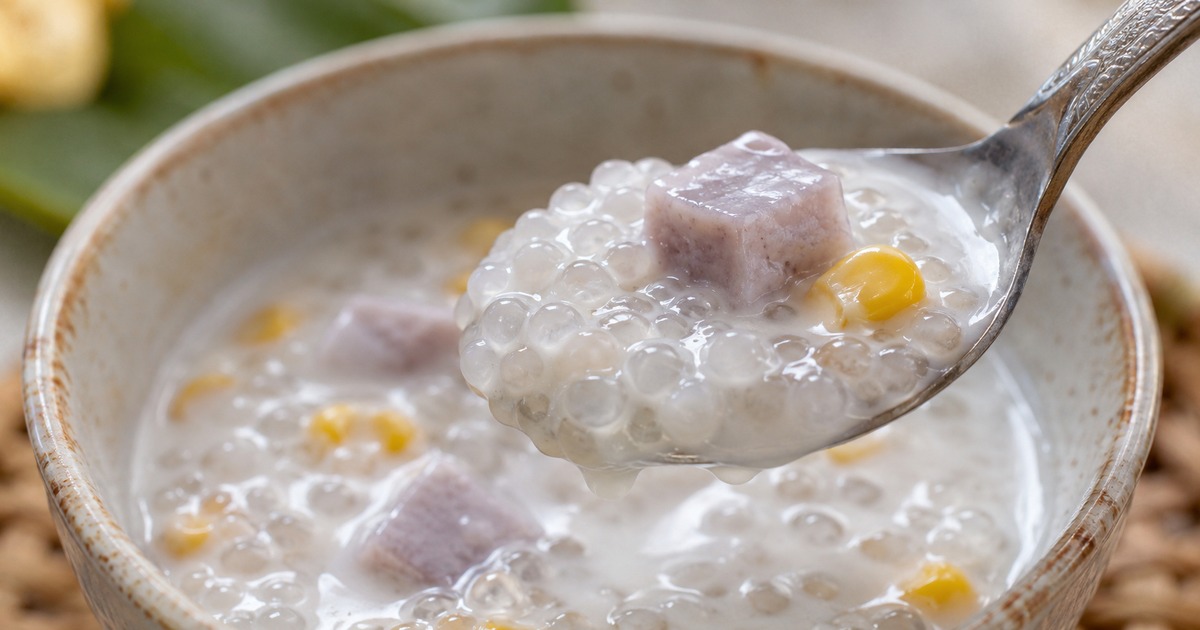
The additions matter because a spoonful is more interesting when its elements offer a gentle contrast. Taro brings a different bite from the small pearls, while sweetcorn contributes another recognisable texture. Taste them together, then notice what you enjoy about the relationship. You do not need every spoonful to contain exactly the same arrangement.
Someone looking for a completely smooth dessert may find that contrast less appealing than someone who enjoys distinct ingredients. That is useful information for choosing next time. Ask about the described components before ordering rather than expecting the taro dessert to resemble a blended cream or assuming that the corn is only a decoration.
Share observations in ordinary language. “I like the softer pieces with the coconut” gives another diner a clearer idea than a simple score out of ten. If you are sharing one bowl, use an agreed serving arrangement so everyone can taste the different elements. Avoid repeatedly rearranging the whole dessert in search of a perfect photograph while others are ready to eat.
Scenario four: you are choosing a finish after a rich meal
Consider the meal you have already planned. A group sharing several entrées and mains may want a small shared finish; another table may have kept room for individual desserts. Ask about the current serving arrangement and decide what suits the actual diners rather than automatically adding a dessert for every place setting.
Coconut sago is one option on Chanya Thai’s published dessert menu. The website also lists black glutinous rice pudding and sticky rice desserts with accompaniments. Read the current descriptions and ask about availability. The choice can be guided by whether you want to explore pearls, rice or another listed combination, without declaring one dish the best Thai food for every appetite.
Our guide to choosing dessert around the main meal develops that planning question for a group. Its central idea also suits an ordinary dinner: choose the finish in relation to what people want to eat, rather than treating it as a compulsory extra.
Build a simple first-spoon checklist
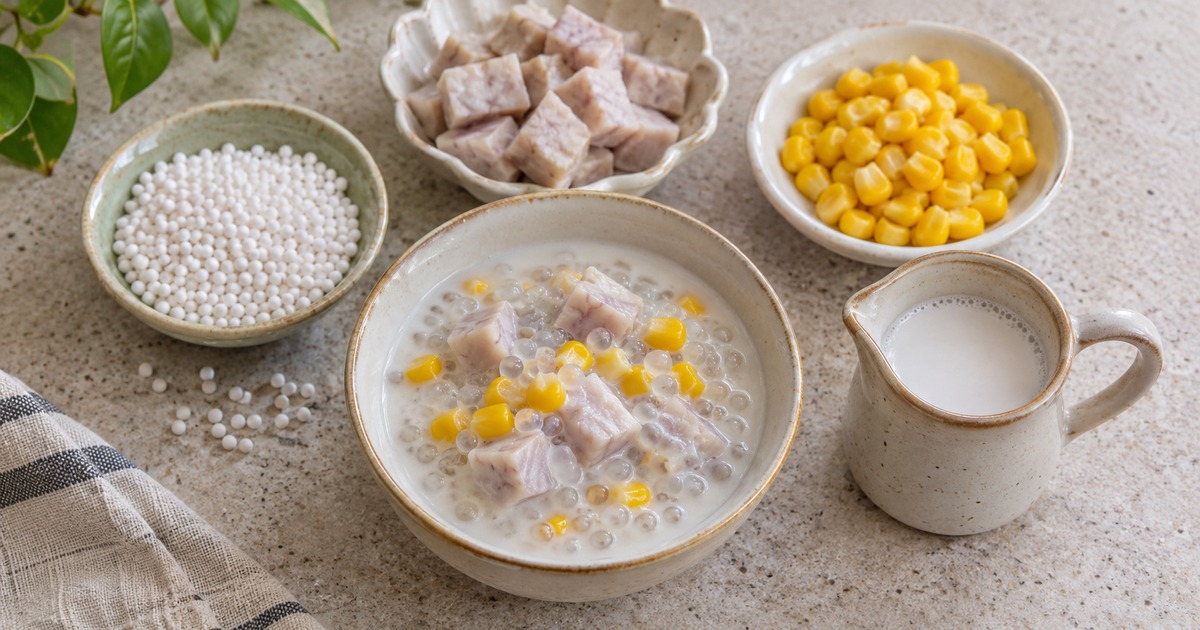
- Read the current dessert description and identify the listed additions.
- Ask about the serving arrangement if size or sharing matters.
- Taste the pearls and coconut mixture before making comparisons.
- Include some taro and sweetcorn in another spoonful.
- Describe the texture you enjoy in clear, personal terms.
- Consider the dessert alongside the rest of the meal and your appetite.
This checklist is for noticing and choosing, rather than inspecting a kitchen’s recipe. A pleasant dessert can have more than one style. Keep your observations focused on the dish served and the preferences you are trying to understand.
For example, a diner may discover that they enjoy the coconut flavour but prefer fewer distinct pieces in a dessert. Another may find the changing textures the most appealing part. Both observations can guide a future order. The useful outcome is knowing what you liked and which question to ask when considering another option.
Choose a restaurant that can explain the dish
Clear menu information makes an unfamiliar dessert easier to approach. Look for the named ingredients, ask a specific question and allow the restaurant to explain the preparation it actually offers. A request to remove or change a component needs confirmation rather than an assumption that every dessert is assembled to order.
Review the official Chanya Thai menu and discuss any ingredient requirements directly before ordering. A coconut-based description does not establish the complete ingredient list or suitability for every dietary need. Choose on the basis of the information confirmed for your meal.
If you enjoy noticing small details in Thai food, our guide to assessing curry puffs beyond their golden crust uses a similar approach for an entrée. Looking at the whole mouthful can make both familiar and unfamiliar dishes more rewarding.
Find the finish that suits your table
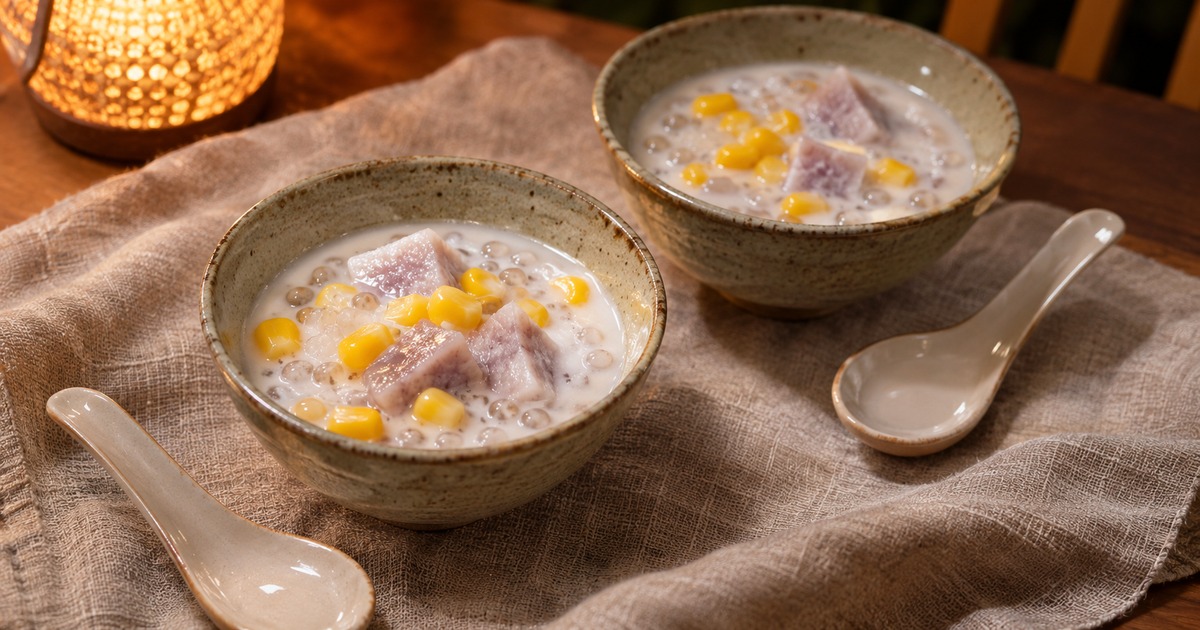
The best Thai food for your evening is food you can choose with a clear understanding of its character. With coconut sago, notice how the pearls, coconut mixture, taro and sweetcorn work together. Let your appetite and texture preferences guide the choice without turning one personal favourite into a universal standard.
Planning a Thai dinner in Albany? Check Chanya Thai’s current dessert menu and call 08 9800 1901 with questions about availability, ingredients or serving before deciding how to finish your meal.
Frequently asked questions
What does Chanya Thai’s coconut sago include?
The published menu lists coconut sago with taro and sweetcorn. Ask the restaurant for current ingredient and serving information where those details affect your order.
Is a thicker sago dessert always better?
Thickness alone is a limited quality test. Notice the relationship between the pearls and other ingredients, then consider which texture you personally enjoy.
Can a group share one dessert?
Ask about the current portion and serving arrangement, then decide whether it suits the people at your table. Do not assume that a photograph establishes the serving size.
Should I compare it directly with rice pudding?
You can use familiar foods to describe your preference, while recognising that sago pearls, rice and their different preparations offer distinct eating experiences.