

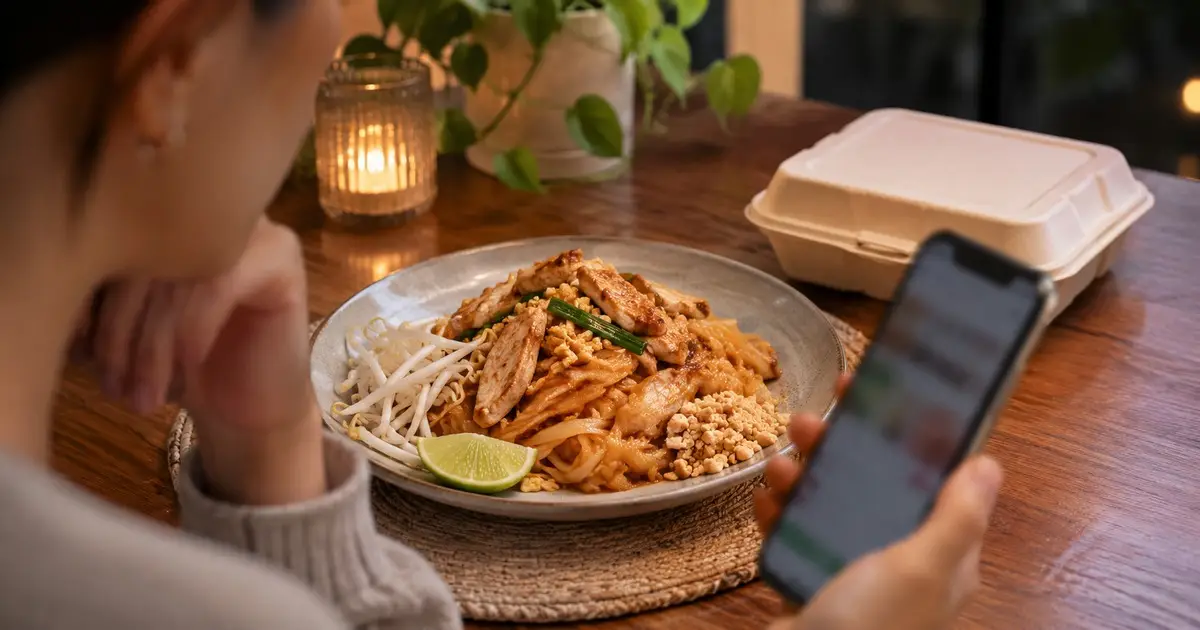
It is easy to order Thai food online on the strength of a familiar name. You remember enjoying a particular curry, recognise something similar on the screen and move quickly towards the final step. The overlooked detail is that a current menu may describe choices differently from the version you used on your last visit.
Rechecking a favourite does not need to turn dinner into a research project. A short, deliberate review can establish whether the dish, variation and arrangement still match what you intend to order. This guide follows that review from opening the current menu to keeping the confirmed details. What should you compare when your memory and the page in front of you do not quite agree?
Step one: start with the current official menu
Begin on the official Chanya Thai website and follow its current takeaway ordering link. A saved photograph, an old message or a previous receipt can remind you what you enjoyed, but it cannot establish today’s available choices. Use the live information as the basis for the new order.
Check that you are looking at the intended restaurant and ordering arrangement. Read any current information about availability and the next steps. A familiar logo or dish photograph alone does not settle those details. If you are comparing a public menu with the ordering page, ask the restaurant about a difference that affects your choice rather than assuming one version must be a mistake.
Keep the old order nearby only as a reference. It can help you identify the name, protein or other selection you remember. The useful question is whether that combination is still offered, not whether you can reproduce every word of an earlier screen. A clear comparison makes it easier to ask for help if needed.
Step two: identify which part of the favourite mattered
Think about why you enjoyed the favourite Thai dish. Was it the noodle style, a particular protein, a curry sauce or the contrast with a shared entrée? That distinction helps when a name has changed or the current choices are organised differently. You can compare the part that mattered instead of selecting the closest-looking item immediately.
Write down the full intended dish and variation in ordinary words. “Chicken Pad Thai” gives a clearer starting point than “the noodles we liked”. If you remember a particular ingredient, check whether it is actually listed now. A photograph may show one variation while the menu allows several choices, so read the description alongside the image.
For a shared order, ask the other diners before substituting a different meal. Someone may have chosen that dish for a reason you do not remember. Our guide to keeping dish names and variations straight explains how a precise name helps the whole table communicate its intentions.
Step three: compare the description and available variations
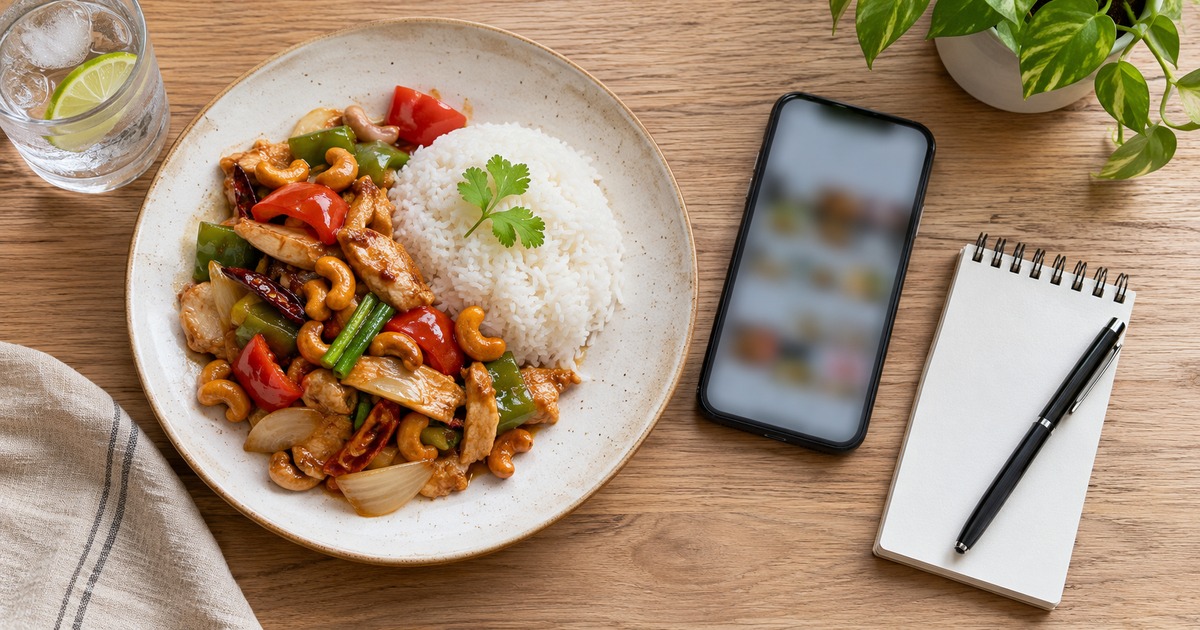
Read the current description as though you are choosing the dish for the first time. Look for the main ingredients, cooking style and the variations actually offered. Chanya Thai’s published Pad Thai choices, for example, include vegetable and tofu, chicken and prawn. Compare dish variations using each item’s own list instead of carrying a selection across automatically.
Pay attention to information that is missing as well as information that has changed. A shorter description is a reason to ask a focused question if a detail matters. It does not establish that an ingredient has been removed. Likewise, a familiar dish name cannot confirm a complete ingredient list or a preparation arrangement for a dietary requirement.
Compare the current price for the selected variation rather than relying on the amount remembered from an earlier meal. Then consider rice, starters and other items you actually want. The current order total should reflect today’s choices. Avoid treating an older receipt as a promise about the cost of the new meal.
Step four: confirm requests before relying on them
If your previous order involved a special request, check whether it can be accepted again. Staff may need to consider the current dish, preparation and workload. A request accommodated once does not establish a permanent option, and a note entered online does not by itself prove that a change has been agreed.
Describe the specific request and the selected dish when contacting the restaurant. Explain any relevant ingredient requirement directly instead of asking for a vague version of “the usual”. Wait for a clear answer before deciding whether the meal is suitable. If an arrangement cannot be confirmed, choose an available alternative rather than placing the order with an unresolved assumption.
Where no change is needed, keep the order straightforward. Read the choices carefully and select the listed variation that matches your intention. This reduces the chance that an unnecessary note conflicts with the menu selection or leaves the person collecting the food unsure what was ordered.

Step five: review quantities and the order summary
Before the final step, compare the order summary with the meal plan. Check each dish name, selected variation and quantity. Look for accidental duplicates, a missing main or rice portions that no longer match the number of diners.
Read the displayed total and any applicable charges. If the amount differs from what you expected, identify the cause before proceeding. It might be a changed selection, an extra item or another detail visible on the current page. Do not assume that the website will interpret your memory of the intended order.
Give one person responsibility for the last review when several people have contributed requests. They can read the summary back to the group and resolve any remaining question. For help interpreting the menu itself, our guide to understanding ingredient descriptions offers a useful way to compare what the words actually say.
Step six: check the arrangement and confirmation
Recheck the intended fulfilment method and any timing information shown. Do not assume that delivery is available or that a preferred takeaway collection time has been accepted. Read the current option and, where a specific arrangement is essential, ask the restaurant to confirm it before making the rest of the evening depend on it.
After submitting the order, look for the status or confirmation actually supplied. Keep the relevant details accessible for collection or follow-up. A page changing appearance is not a reason to invent an acceptance message; read the information provided and contact the restaurant if the result is unclear.
After a confirmed meal, note the current dish name and variation for future reference. Keep checking the live menu on each visit.
Use a short comparison checklist
- Open the current official menu and ordering link.
- Identify the dish and variation you intend to choose.
- Read the present description rather than relying on a photograph.
- Ask about any important request that needs confirmation.
- Review quantities, rice portions and the displayed total.
- Check the collection or other arrangement actually offered.
- Keep the confirmation and update your own notes if useful.
Choose a restaurant that can clarify a difference when the menu leaves you uncertain. A direct answer about the current dish is more useful than a guess based on a meal ordered months earlier.
Let the current choice guide the familiar meal
When you order Thai food online, a favourite is a useful starting point. The current description, selected variation and confirmed arrangement determine the meal you are ordering now. A brief review helps you keep what you enjoyed while avoiding preventable surprises.
Planning another Thai takeaway in Albany? Check Chanya Thai’s menu and call 08 9800 1901 with any unresolved dish or ordering question before the final step.
Frequently asked questions
Can I rely on an old order receipt?
Use it to identify the dish you remember, then compare it with the current menu. Availability, descriptions, variations and prices may differ.
Does a similar name mean it is the same dish?
Read the full description and choices. If a particular ingredient or cooking style matters, ask the restaurant before selecting the closest-looking name.
Will a previous special request be accepted again?
Ask directly about the current order. A past arrangement does not establish that the same change is available every time.
What if I cannot tell whether the order was received?
Check the status information supplied and contact the restaurant before submitting the same order again. Keep any available order details ready for that enquiry.