

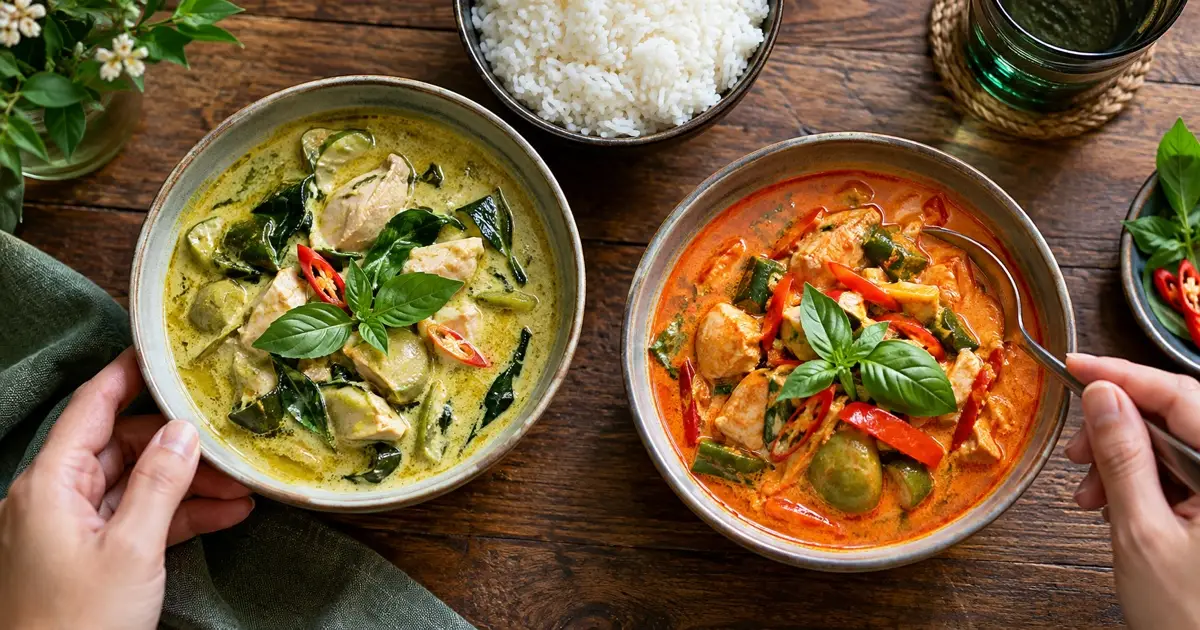
Two dish names can look almost identical when you are scrolling quickly. Before you order Thai food online, it helps to slow down at the point where a familiar name becomes a particular combination of sauce, protein and quantity. The overlooked mistake is often choosing the right dish family but the wrong variation inside it.
This guide follows a simple sequence from reading the menu to checking the final cart. It is designed for diners placing an online takeaway order in Albany, including anyone coordinating several people’s choices. The aim is an order that matches what everyone intended. The central question is: can you describe each selected item precisely enough that a similar name or remembered photograph will not lead you elsewhere?
Step one: read the full name before you order Thai food online
Begin with the complete menu heading and description. Words after the familiar part of the name may identify a different preparation. Fried rice and a named flavoured fried rice are not automatically interchangeable; neither are all dishes beginning with “Pad”. Avoid selecting the first search result that contains the word you remember without opening the item details.
Use the current Chanya Thai menu as the reference for what the restaurant offers. If a friend sends a shortened request such as “the chicken noodles”, ask which dish they mean before adding it. A brief clarification at this stage prevents a more complicated conversation after payment or collection.
Compare the words that distinguish similar dishes
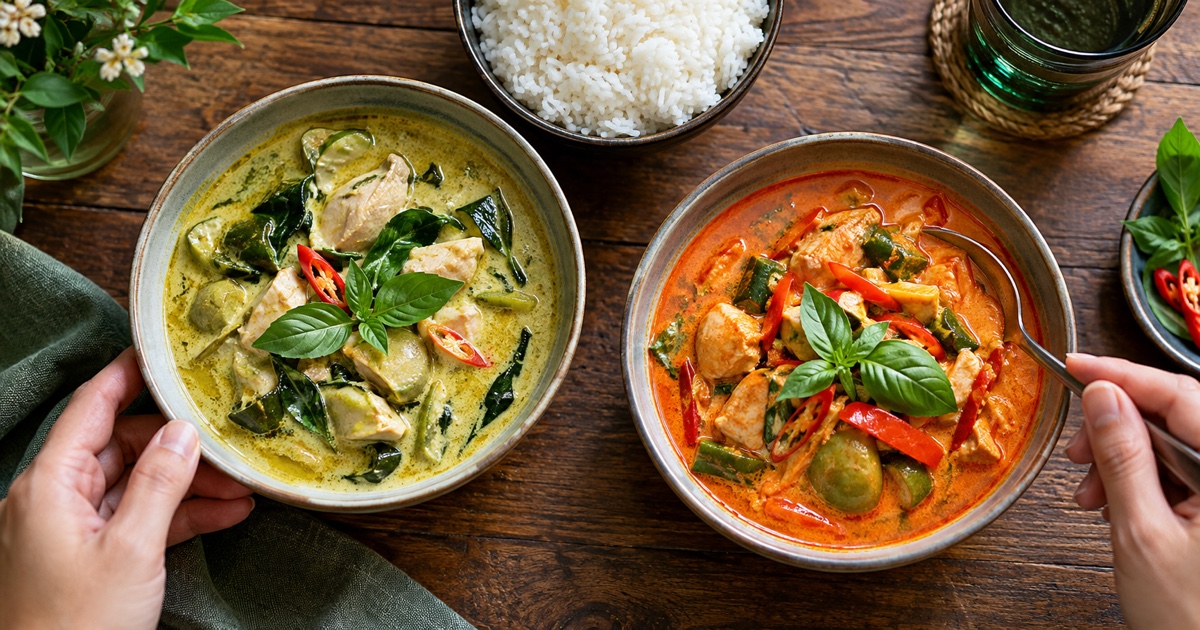
Green curry and red curry share a category, but their names distinguish separate dishes. The same protein choice does not make them the same order. Read the description and use the actual menu name in your notes. If you are unfamiliar with a Thai name, keep the spelling from the menu rather than substituting a guess that another diner might interpret differently.
Photographs can help you imagine a meal, but they cannot confirm every variation. A picture may show one protein or a serving arrangement while the order screen offers several choices. Treat the written item and its selected options as the information to verify. Generated illustrations in this guide are editorial examples, not proof of a current menu configuration or actual restaurant presentation.
Step two: separate the dish from the options inside it
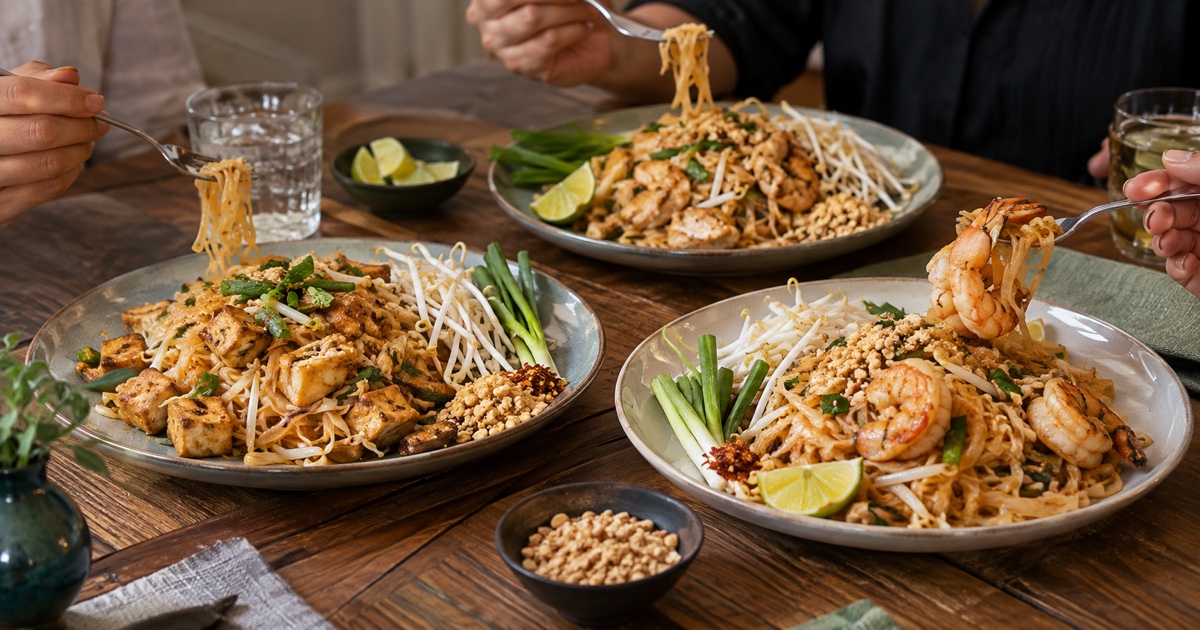
Think of each order as several linked details: the dish name, the selected protein or variation, any permitted options, and the quantity. Check all of them. Chanya Thai’s published Pad Thai menu, for example, lists different choices within the dish. Selecting Pad Thai is only the beginning; make sure the chosen variation matches the diner’s request.
Not every option applies to every dish. A protein available with one curry may not appear with another preparation. Read the live item rather than generalising from a nearby menu section. If a desired combination is not offered, contact the restaurant before assuming a free-text note can create it.
Check quantity separately from variety
Two portions of the same variation differ from one portion each of two variations. If the cart combines identical items, read its quantity field carefully. If different variations appear on separate lines, confirm each line before continuing. Avoid assuming that tapping “add” twice creates the combination you intended when the screen may retain the same selection.
For a group, a short list can be clearer than a stream of messages. Record the diner’s name beside the complete item and selected variation. The restaurant does not need that entire planning list unless its system requests it; it is a tool for the person building the cart. Keep dietary requirements in a distinct note for direct discussion.
Step three: decide whether a note needs a conversation
An order note can describe a preference, but it is not confirmation that a change is possible. Ask about important requests before paying. This matters when a sauce or dish includes components combined during preparation. A request to remove a visible garnish is different from a request to change the underlying sauce, and the kitchen needs to explain what it can accommodate.
Do not treat the choice of tofu, chicken or prawns as a complete dietary statement. Other ingredients and preparation still matter. If someone has an allergy or a strict requirement, contact the restaurant directly about the specific dish and variation. Similar menu names can conceal differences that a quick category-level assumption will miss.
Use clear language when asking. “I am looking at the chicken version of this named dish; can you explain this ingredient?” gives staff a useful starting point. “Can you change the noodles?” may refer to several dishes and several kinds of change. Precision helps the restaurant answer and helps you record the correct result.
Step four: review the cart as a separate reading task
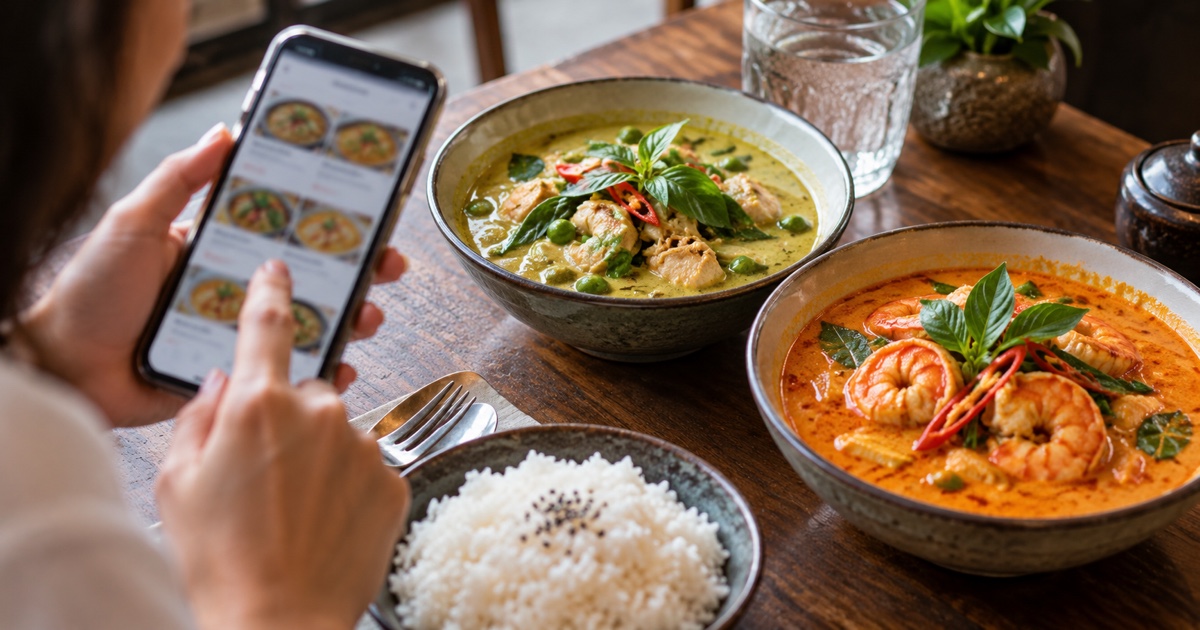
Once everyone has chosen, stop adding items and read the cart from top to bottom. Say the full dish and variation quietly to yourself or compare it with the group list. Check quantities and any displayed notes. This fresh pass is useful because the act of browsing encourages attention to possibilities, while a final review requires attention to the actual selection.
Look for duplicates created while comparing options. A dish placed in the cart as a possibility may remain after another is chosen. Remove it if it is no longer wanted. Check whether editing an item changes the existing line or adds another one, then review the result shown. Follow the provider’s current interface instead of assuming every ordering system behaves identically.
Check whether the complete meal still makes sense
A technically correct cart can still contain a meal the group did not intend. Several people may independently choose very similar dishes, or everyone may assume another person added rice. Check the whole order for those gaps. Our guide to Thai menu variety offers useful prompts for that final food decision.
Review the displayed total after changes. Do not rely on a price remembered from another variation or a previous visit. Make sure the collection details also match the plan before submitting. Dish accuracy and collection accuracy are separate checks, and both deserve attention even when you use an account with stored information.
Step five: keep the confirmed names available for collection
After ordering, retain the confirmation and reference. If another person is collecting, share the necessary details with them so they can identify the order. Should you notice a mistake, contact the restaurant promptly with the exact item and desired change. Whether a change is possible depends on the order’s status; a message alone does not establish acceptance.
At collection, ask a clear question if the description on the order does not match your expectation. Avoid opening several containers and guessing from colour when the restaurant can identify the dishes. For more ordering and meal-planning ideas, browse the Chanya Thai blog.
Choose a clear menu and use this final checklist
Useful restaurant criteria include understandable descriptions, visible variations, accessible contact details and clear confirmation. These features make an order easier to verify. When comparing restaurants, consider that practical clarity alongside the dishes you want rather than relying only on photographs.
- Each selected item matches the complete requested dish name.
- Proteins and other offered variations have been checked individually.
- Quantities match the people and dishes actually planned.
- Important requests have been discussed directly and confirmed.
- Unwanted duplicate items have been removed from the cart.
- The final total, collection details and confirmation are clear.
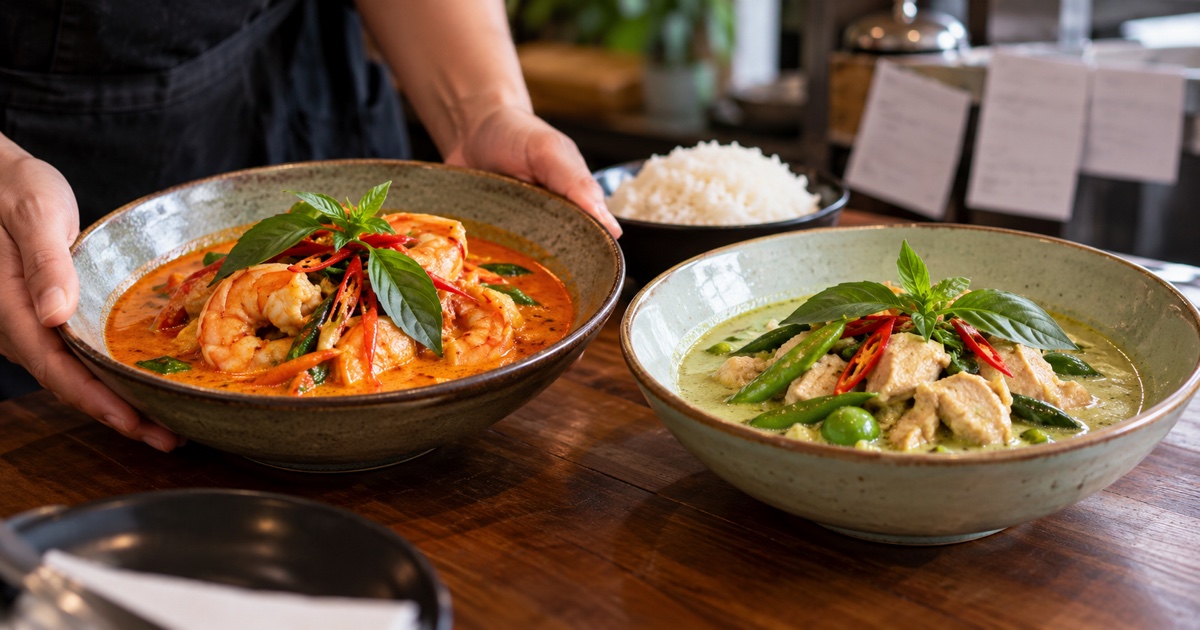
Make each selection specific
When you order Thai food online, complete dish names and visible variations are your most useful references. Read the description, choose each option deliberately and review the cart separately from browsing. A few clear checks help the meal match the choices your group made.
Use the Chanya Thai website to access current online takeaway ordering. Call 08 9800 1901 before submitting if a dish name, ingredient or important request needs clarification.
Frequently asked questions
Are similarly named Thai dishes interchangeable?
No assumption is reliable. Read the complete name and description, then compare the actual ingredients and choices offered.
Can I request a variation that is not listed?
Ask the restaurant before ordering. A note does not confirm that an unavailable combination can be prepared.
What if I selected the wrong dish?
Contact the restaurant promptly with the reference and exact item. Ask whether the order can still be changed, and wait for a clear response.