

You have entered a date, selected a time and sent a restaurant booking request. The evening feels organised, so you tell everyone that the table is reserved. The overlooked detail is what the restaurant actually said in response. A record that your enquiry was received may be different from a clear acceptance of the requested table.
That distinction matters when friends are travelling separately, a celebration has a fixed start, or the dining room has limited space. This step-by-step guide explains how to read a booking confirmation, check the reservation details and follow up calmly when the status is unclear. The goal is a shared understanding before anyone sets off.
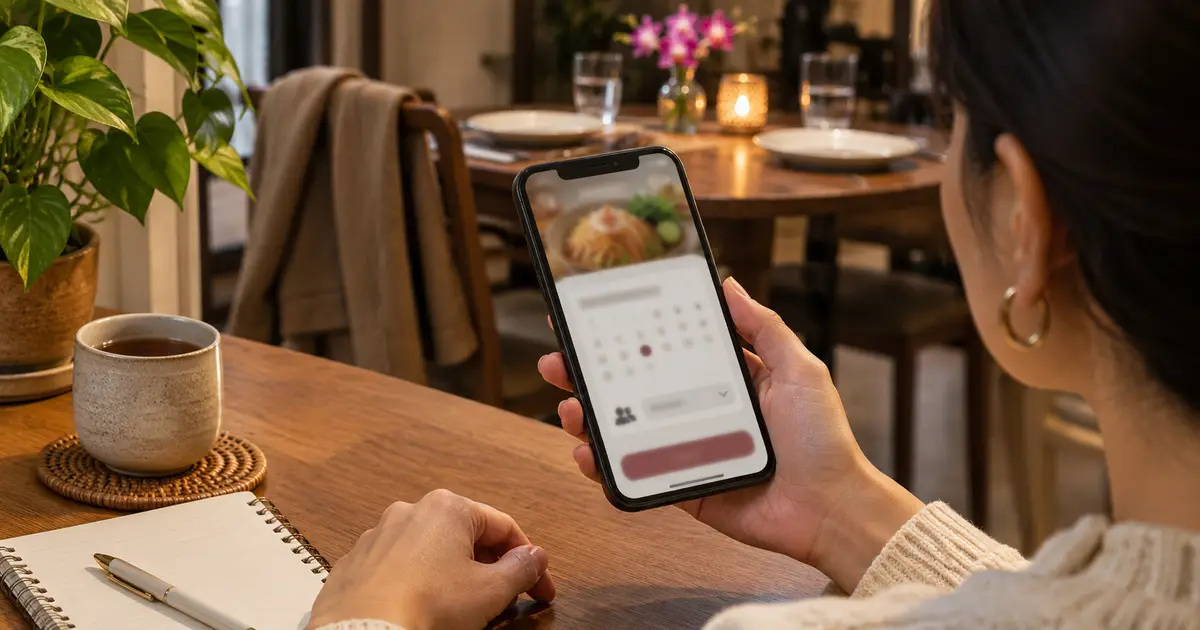
Step one: prepare one clear booking request
Begin with the basics: the intended date, preferred time, number of diners and a contact name. Check that everyone means the same day, especially when a message says this Friday or next weekend. A complete calendar date is easier for the organiser and restaurant to interpret than a relative phrase that may be read later.
Make the party size realistic. If two people are still deciding, explain the uncertainty rather than quietly adding them after a smaller table has been accepted. Ask how a change should be handled. Chanya Thai describes a small dine-in space, which makes an early conversation particularly useful for a group.
Use the current booking route linked from the Chanya Thai website, or contact the restaurant directly. Avoid creating several identical enquiries through different channels simply to feel more certain. If you do follow up elsewhere, mention the original request so staff can connect the conversation rather than treating each message as a separate table reservation.
Step two: read what the response actually confirms
After sending an Albany restaurant booking enquiry, read the wording of any response before making plans around it. Does it merely say that a message or request has been received? Does it explicitly accept a date, time and party size? Is further contact requested? Those are different stages, even if the screen looks reassuring.
Do not assume a particular colour, icon or message layout means the same thing across every booking service. Focus on the written status and the details attached to it. This guide does not describe a guaranteed sequence of screens or emails for Chanya Thai; use the information shown by its current booking channel.
A useful confirmation gives the group something concrete to work from. If you cannot tell whether the restaurant has accepted the requested sitting, ask a direct question: has our table for this date, time and number of people been confirmed? Keep the answer with the original enquiry so the latest status is easy to find.

Step three: check the accepted reservation details
Once acceptance is clear, compare the confirmed information with your original plan. Read the date, time, diner count, name and restaurant location rather than scanning only for a positive word. A confirmed table at the wrong time is still an arrangement that needs correcting before the visit.
Pay particular attention when an alternative was offered. If you requested one sitting but the restaurant proposed another, establish whether you have accepted that alternative and whether the table is now held. Do not send a group message based on the first preference while overlooking the revised details.
Keep one current record on the organiser’s phone and share the practical details with the guests. They usually need to know where to go, when to arrive and who made the restaurant booking. They do not need a confusing chain of screenshots containing superseded times. If several people are helping organise dinner, choose one person to communicate changes.
Suppose four friends asked for an early dinner, but the available table is later. Before accepting, the organiser can check whether the new time still suits the friend leaving work late and the friend with another commitment afterwards. If it does, the organiser can confirm the revised sitting and send one updated message. If it does not, a different day may be more practical. This small pause prevents a perfectly clear restaurant response from becoming a confusing plan simply because the group continued discussing the original time.
Step four: separate the table from special arrangements
An accepted table does not automatically settle every extra request. Dietary questions, a preferred seating position, a celebration detail or an access requirement may need a separate answer. List the points that affect whether the visit will work and ask the restaurant to explain what can be arranged.
For example, a note saying that the meal is an anniversary celebration tells the restaurant about the occasion. It does not by itself confirm a particular decoration, dessert or table position. Read our guide to making a clear anniversary booking request for a practical way to separate the occasion from the arrangement you want.
The same principle applies to bringing a bottle or choosing a quieter setting. Chanya Thai’s website identifies BYO, but ask about the relevant current arrangements before relying on assumptions. Our BYO questions for an Albany Thai restaurant provide a useful starting list. Record the restaurant’s answer alongside the accepted table details.
Step five: follow up when the status is unclear
If you cannot find a clear answer, first check the contact channel you used and the information you supplied. An incorrect email address or phone number can make communication difficult. Review any messages available to you, then contact the restaurant with the date, requested time, party size and name used for the enquiry.
Keep the follow-up specific and neutral. Explain that you submitted a request and would like to establish whether it has been accepted. There is no need to accuse the restaurant of losing a booking when the status has not yet been established. A calm description gives staff a practical enquiry to check.
If the original plan cannot be accommodated, discuss the alternatives before updating everyone. A different time, smaller party or another day may suit the group, but choose only after considering travel and other commitments. Do not treat a new suggestion as confirmed until both sides understand the resulting arrangement.
Step six: use a final checklist before choosing the sitting
The best restaurant booking for your occasion is one the whole group can use comfortably. Consider the meal, arrival plans and important requirements alongside availability. A restaurant’s ability to explain these points clearly is a useful part of choosing where to dine.
- The restaurant has clearly accepted the table arrangement.
- The date, time, location and diner count are correct.
- Any alternative time has been understood and accepted.
- Important dietary, access or celebration questions have answers.
- One organiser will communicate further changes.
- Guests have the latest arrival details.
If conversation is central to the evening, also consider the group’s expectations for the setting. Our guide to assessing a restaurant for conversation can help you turn a vague preference into clearer questions. Avoid requesting a guaranteed atmosphere that nobody can reasonably promise.
Make the accepted arrangement easy to understand
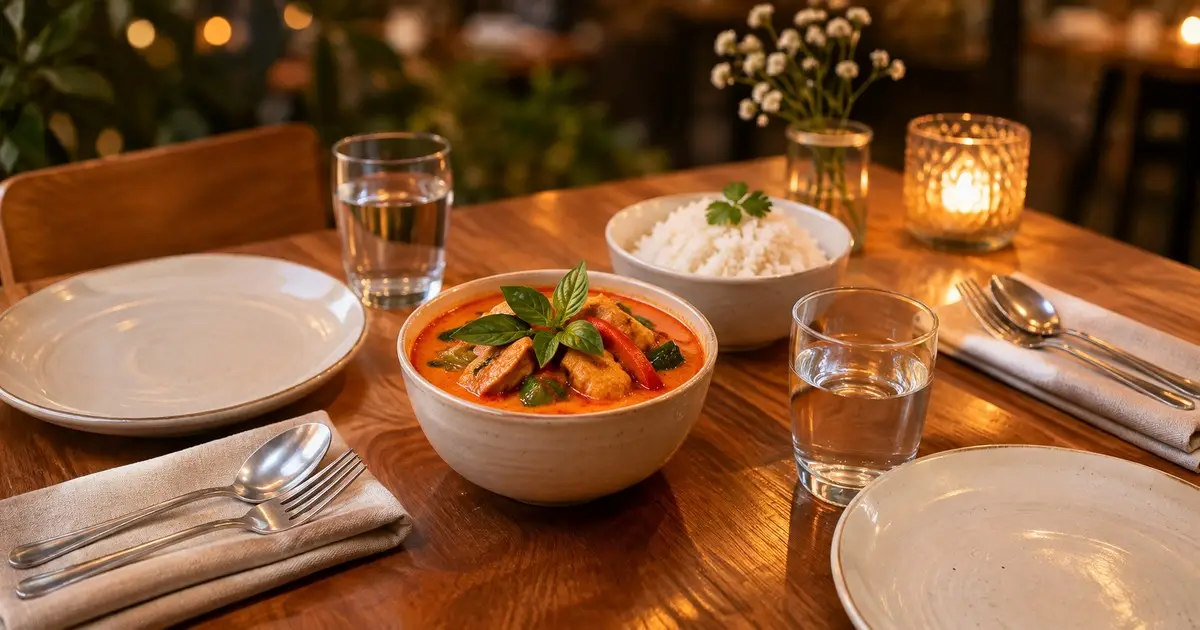
A restaurant booking becomes easier to manage when the request, acceptance and special arrangements are treated as distinct pieces of information. Read the response, verify the details and ask about anything still unresolved. Then give the group one clear version of the plan.
Ready to arrange your Albany meal? Use the booking information on Chanya Thai’s official website or call 08 9800 1901 to discuss the proposed date and confirm the status of your request.
Frequently asked questions
Does submitting a booking request mean a table is reserved?
Establish that from the restaurant’s response. Acknowledging receipt of an enquiry and accepting a table arrangement are different things, so ask when the wording is unclear.
What should a booking confirmation be checked against?
Compare it with the intended date, time, diner count, contact name and location. Also check any alternative sitting or instruction included in the response.
Can I add more diners after the table is confirmed?
Contact the restaurant before changing the group plan. Ask whether the revised number can be accommodated and keep the latest accepted details.
Does a confirmed table include every special request?
Do not assume so. Ask about each arrangement that matters to the visit and establish what the restaurant has agreed to provide.