

Prawns are a familiar starting point when choosing Thai food, but repeating the same seafood order can hide an interesting part of the menu. Fish, soft-shell crab and fish cakes offer different textures, sauces and ways of sharing. The useful question is not simply which seafood sounds most impressive. It is which preparation suits the meal you want.
For Albany diners, reading the dish as a combination of seafood and cooking style makes the choice easier. A crisp piece of fish in curry sauce behaves differently from crab in an egg-based stir-fry or a small fried entrée. Here are three practical scenarios for exploring Thai seafood dishes without ordering a whole table of similar flavours.
Scenario one: you want seafood with a rich sauce
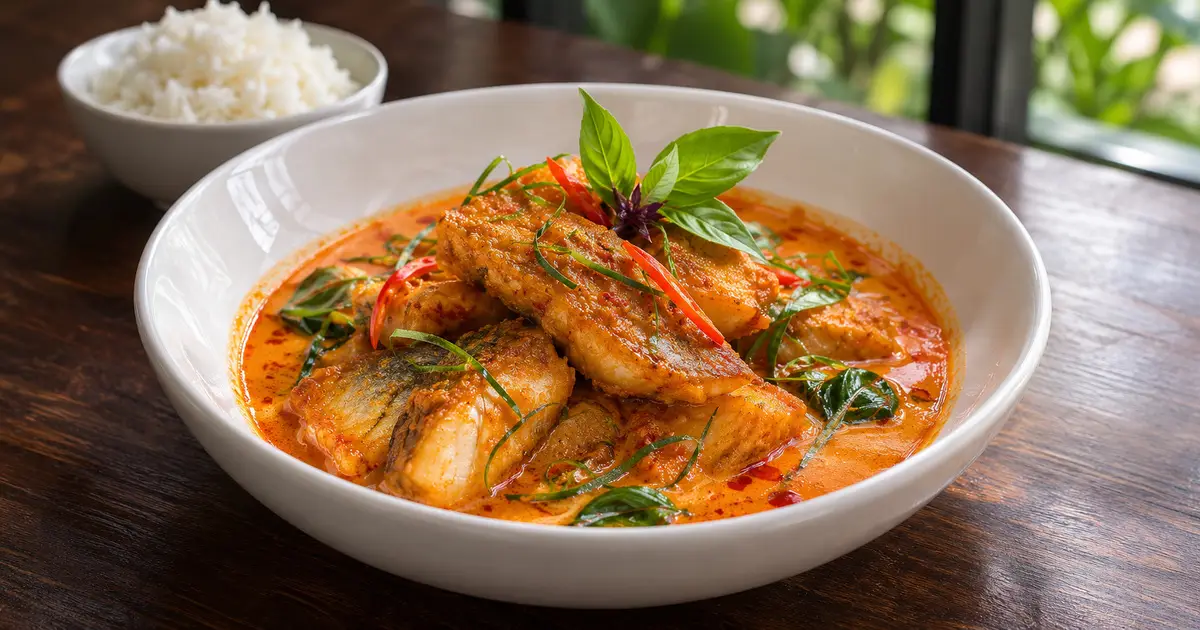
If your usual choice is a prawn curry, start by keeping the cooking style familiar while changing the seafood. Chanya Thai lists Chu Chi with prawns or crispy barramundi. Its menu describes a creamy coconut sauce with red curry paste, makrut lime leaf and sweet basil. That provides a useful point of comparison without requiring you to choose an entirely unfamiliar flavour family.
The barramundi curry option brings fish pieces into the centre of the plate. Notice how the flesh, crisp coating and sauce work together rather than expecting it to feel like a prawn dish. Sauce touching a crisp surface changes that contrast as the meal progresses. Serve a little with rice and taste it before covering the whole plate with several other sauces.
Choose this route when you want one substantial seafood main and a straightforward shared meal. Add a contrasting vegetable dish or noodles according to appetite, then decide how much rice the table needs. Confirm the current seafood options when ordering; the menu description is a starting point, not a promise that every variation is available on every visit.
Scenario two: you are curious about soft-shell crab
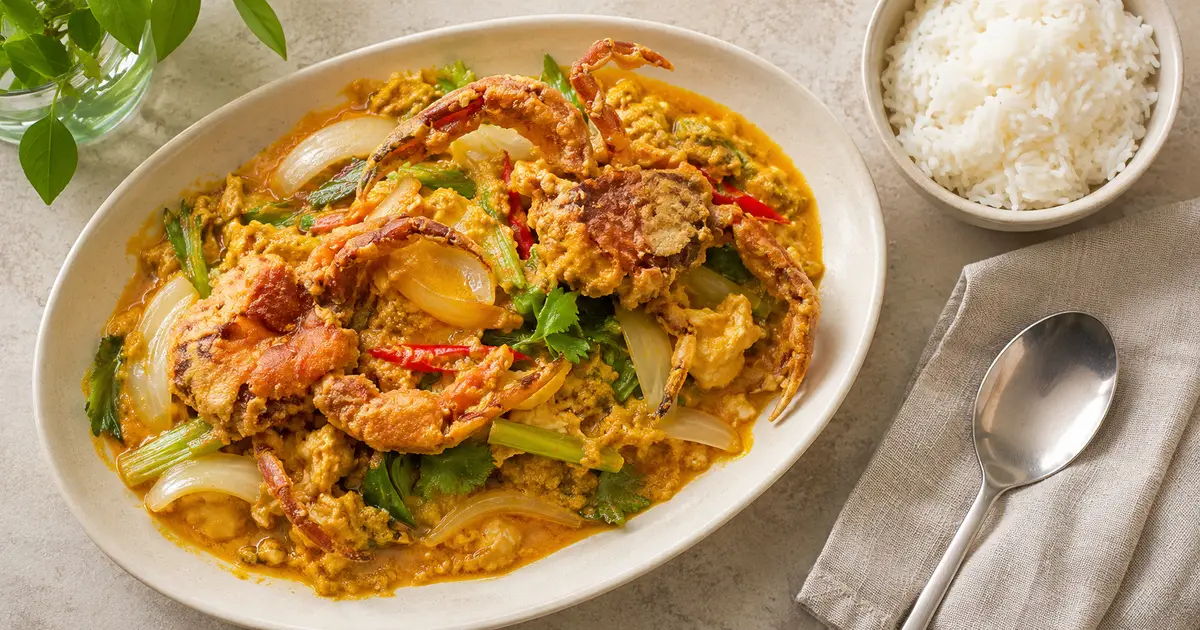
Soft-shell crab is a different decision from choosing a fillet. The interest lies partly in its form and crisp texture, so it helps to read the complete preparation. On the Albany Thai menu, Pad Pong Karee can be ordered with soft-shell crab. The dish is described with yellow curry powder, egg, fresh chilli, onion and celery.
That combination is a curry-flavoured stir-fry rather than simply another bowl of coconut curry. If you are choosing between it and Chu Chi, compare the style of sauce as well as the seafood. One may suit a diner who wants a creamy main; the other may appeal to someone keen to explore a different coating and vegetable combination.
For a shared order, explain that you are considering the crab version and ask staff any questions about serving or eating it. Avoid relying on a photograph to judge how many people it will satisfy. Appetite, the number of other dishes and the planned starter all affect whether one main makes sense for your group.
Scenario three: you want a smaller introduction
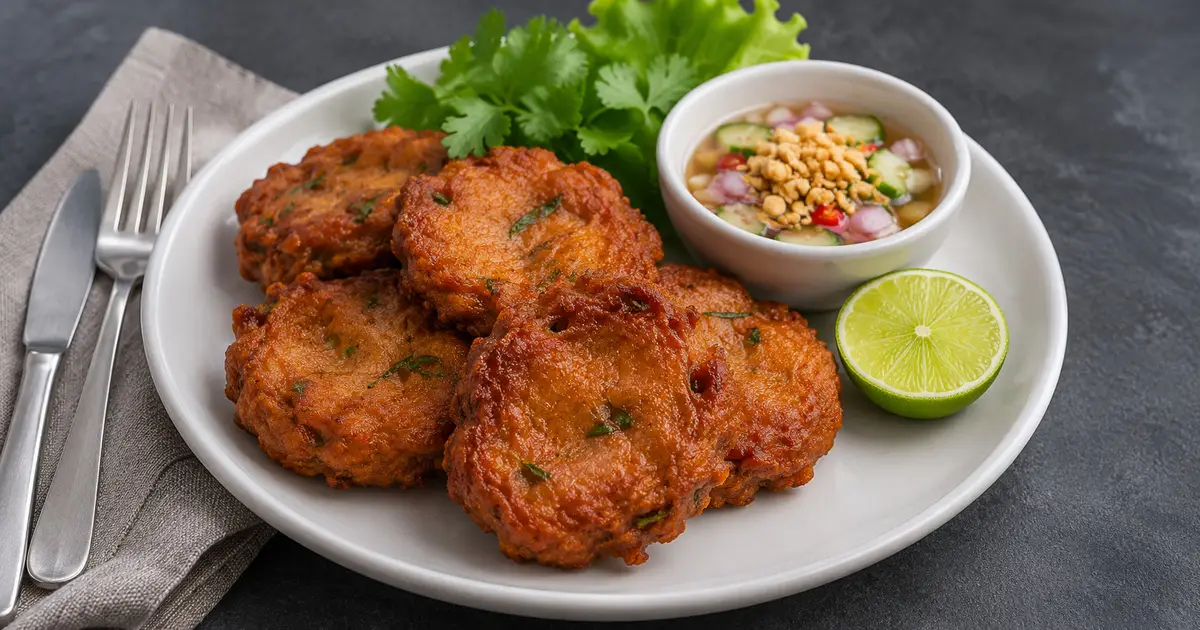
An entrée can be a manageable way to try a different seafood texture before committing to a main. Fish cakes are listed on Chanya Thai’s menu, with accompanying sauces described there. Read the current wording carefully and ask what comes in the serving rather than assuming every restaurant uses the same portion or combination.
Fish cakes are a prepared dish with their own seasoning and texture. They are not a miniature version of a grilled fillet, and comparing them as though they were misses the point. Taste a piece on its own, then try a little accompaniment. This makes it easier to notice how the savoury cake and the sauce work together.
This option suits a table where only one or two people want seafood, or where diners already have a favourite main in mind. Agree on sharing before ordering so each person knows what to expect. For more help interpreting the wording, read our guide to ingredients and preparation descriptions on a Thai menu.
Build contrast around your seafood choice
Once you have chosen the seafood dish, think about the rest of dinner. Ordering several rich sauces can be enjoyable, but it can also make the meal feel repetitive. A noodle plate, a vegetable preparation or a lighter-tasting accompaniment may offer a useful contrast. Choose according to the actual menu and the preferences around your table.
Imagine two diners who want Chu Chi barramundi and Pad Thai. They might begin with those choices and check whether an entrée is needed, instead of automatically adding another seafood main. A larger group could prefer a mix of curry and stir-fry. These are planning examples, not fixed portion recommendations or restaurant packages.
Serving order also matters to the experience. Make space for communal dishes, use suitable serving utensils and give crisp elements an early taste while allowing very hot food to cool comfortably. Our guide to choosing which Thai dishes to eat first offers a flexible approach when several plates arrive together.
For takeaway, have the home table ready before unpacking the meal. Put the seafood dish where everyone can reach it and keep the different sauces identifiable. If you are comparing two preparations, take separate small servings rather than combining them immediately. This is also a useful way to discover a preference for your next order: remember the dish name, seafood variation and accompaniment you enjoyed, instead of recording only that the meal was good. A specific memory makes a future menu choice much easier.
Ask clear questions before ordering
Questions about Thai food are easiest to answer when they refer to a particular dish. Instead of asking whether the seafood is generally spicy or suitable for everyone, name the preparation and explain the point you need clarified. Staff can then discuss the listed version and any options that are actually possible.
Before confirming the order, work through this short checklist:
- Check the exact seafood variation and current availability.
- Ask how the dish is prepared and what accompanies it.
- Confirm the serving arrangement when several people will share.
- Discuss ingredient or dietary requirements directly before choosing.
- Check whether rice or any desired extras need ordering separately.
- Read back the selected dish name when ordering by phone.
A seafood name alone cannot answer dietary questions. Sauces, coatings and accompaniments also matter. Do not assume that removing an obvious ingredient changes everything else in the dish. Ask the restaurant to explain the relevant preparation rather than treating a menu category as a guarantee.
Choose a restaurant that explains the options
A useful seafood menu makes the cooking style visible and gives you a way to ask further questions. Look for descriptions that help distinguish a curry, stir-fry and entrée. Clear communication about the chosen variation is especially valuable when several similar names appear in one order.
Chanya Thai’s official menu and booking information provide a starting point for an Albany meal. Review the current options, consider whether dine-in or takeaway suits your evening, and contact the restaurant when the description leaves an important question unanswered. Choose the experience that fits your group, rather than ordering an unfamiliar dish solely because it looks dramatic.
Explore a different preparation at your own pace
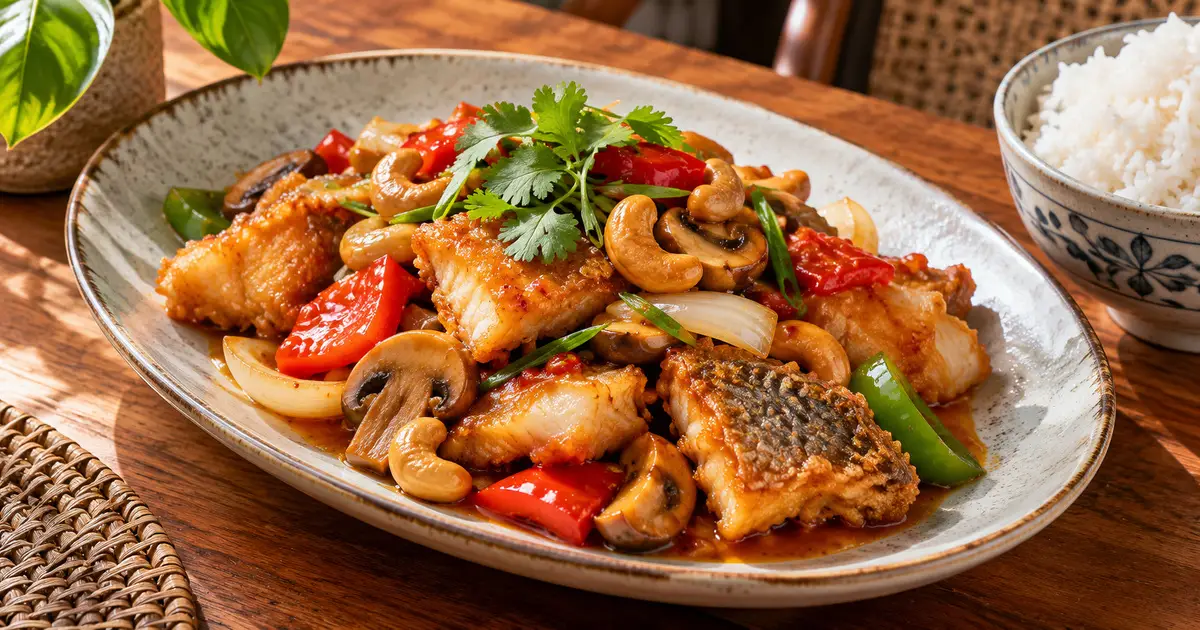
Exploring Thai food beyond prawns does not require an adventurous order from every diner. Keep one familiar element, change the seafood or cooking style, and build a balanced meal around it. Barramundi in Chu Chi, soft-shell crab in Pad Pong Karee and fish cakes each offer a distinct starting point.
Browse Chanya Thai’s current menu or call 08 9800 1901 to ask about your preferred dish before arranging your next Albany dinner.
Frequently asked questions
Which seafood dishes can I look for beyond prawns?
The published menu lists options including crispy barramundi, soft-shell crab preparations and fish cakes. Check the current menu and ask about availability before deciding.
Is Pad Pong Karee the same as a coconut curry?
The listed preparation uses yellow curry powder and egg in a stir-fried sauce with vegetables. Read the particular dish description rather than assuming all dishes with curry in the name are alike.
Should everyone at the table share the seafood dish?
Only if that suits their preferences and confirmed dietary needs. Individual mains or a small shared entrée can make more sense when the group wants different things.