

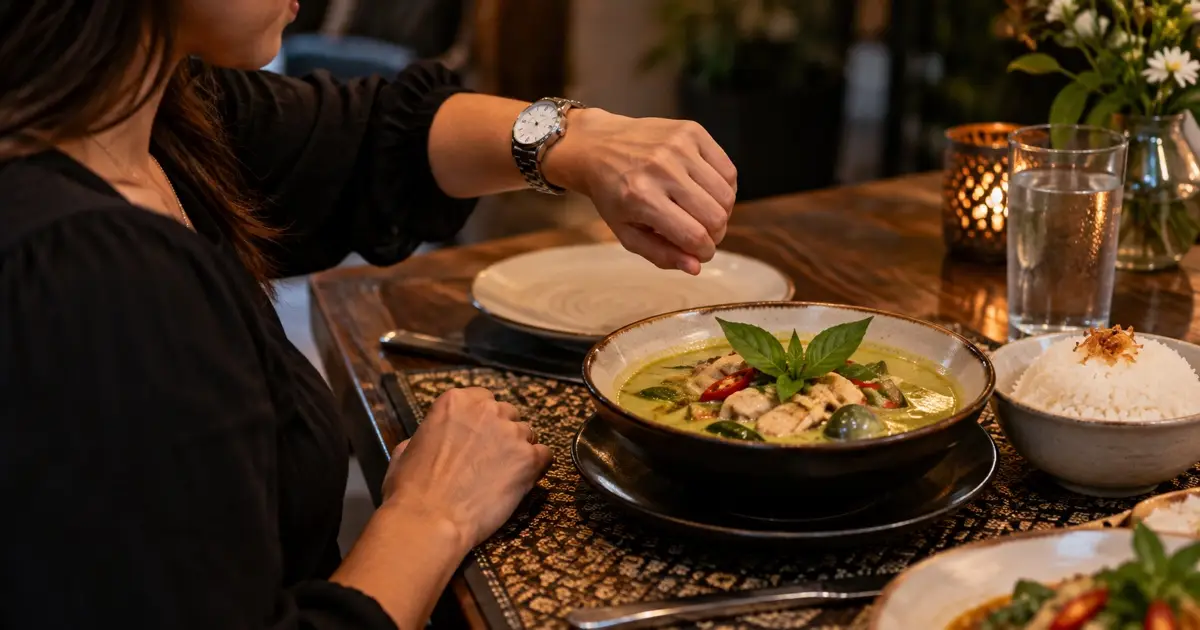
A tempting price can lose its appeal when the available table does not fit your evening. When comparing restaurant deals in Albany, the overlooked detail is often the time window: when you must arrive, what must be ordered, and whether everyone can actually get there. A useful dining plan considers the whole occasion before treating a headline saving as the deciding factor.
This guide works through three common situations, from an early dinner to a catch-up with uncertain finishing times. The aim is to help you choose a manageable booking and a realistic meal budget. The central question is straightforward: would this arrangement still suit the group once its timing and conditions are included? Any offer must be checked directly; this article does not announce a current Chanya Thai promotion.
Scenario one: everyone can meet for an early Thai dinner
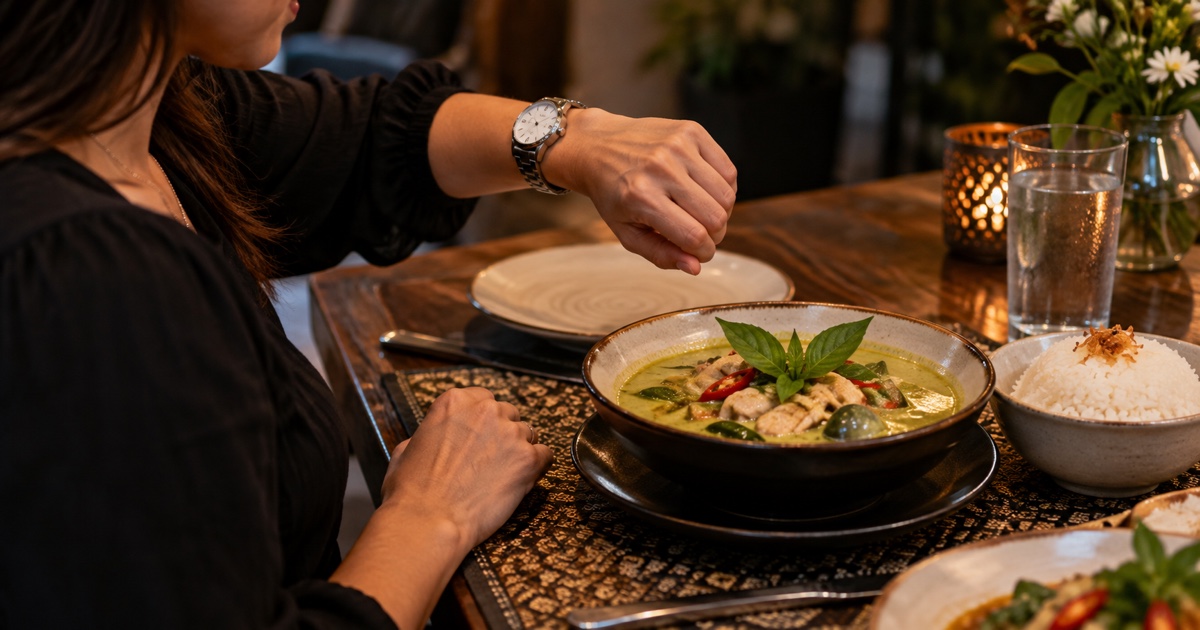
Imagine two friends finishing work at different places but meeting comfortably before their evening commitments. An early sitting may suit them because they want a proper conversation and a clear finish. If they find dine-in offers, they should first confirm the eligible date and arrival requirement. A restaurant being open at that hour does not establish that an advertised arrangement applies.
Work backwards from the actual obligation after dinner. Include the journey to the restaurant, ordering, eating and getting to the next location. Avoid inventing a universal minimum dining time: a quick main and a leisurely shared meal are different occasions. Tell the restaurant about a firm departure requirement before reserving, and ask whether the requested sitting is practical.
Choose the meal before chasing the saving
Start with dishes the pair would enjoy at the ordinary menu price. Would they want a curry with rice, a noodle dish, or several items to share? Check the current Chanya Thai menu rather than relying on an old screenshot. An offer that adds unwanted food can increase spending even when the price per item looks attractive.
Keep preferences visible too. If one diner dislikes chilli or needs a dietary discussion, a restricted selection may not work. Ask what can be chosen and whether any substitutions are possible before assuming flexibility. A comfortable full-price meal can be the better personal choice when a narrower arrangement does not suit the people attending.
Scenario two: one person may arrive late
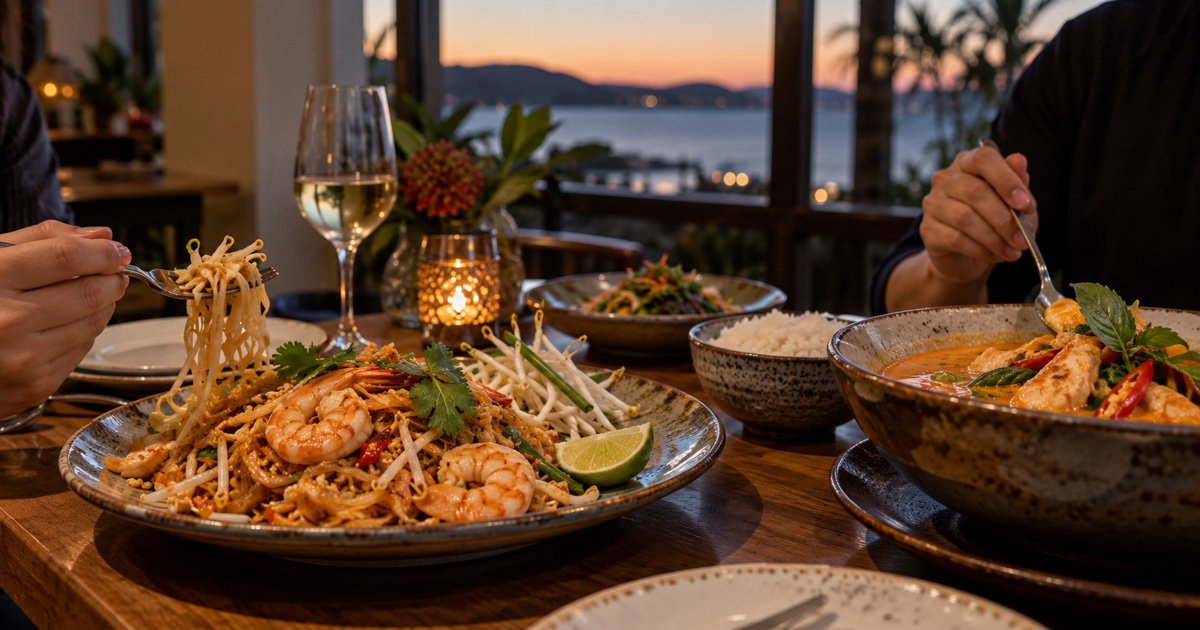
A group catch-up becomes harder when one friend cannot predict the end of a shift. The organiser should distinguish the booking time from the last acceptable arrival under any offer. Ask whether all guests must be seated together and whether a late addition changes the arrangement. These are questions to resolve with the restaurant, not conditions to guess from another venue.
A useful message might say: “We are planning dinner for four, but one guest may arrive after the others. Would that work with the time and menu we are considering?” Include the expected range only if it is realistic. The answer allows the group to choose a later sitting, change the date or abandon the offer without last-minute confusion.
Build an option that survives a delay
If arrival uncertainty is substantial, favour flexibility. A regular booking at an agreed time may fit better than a strict promotion. Another possibility is postponing the catch-up until everyone can attend. Takeaway can suit some evenings too, but compare it as a separate dining choice, checking the live ordering options rather than assuming the dine-in conditions carry across.
Do not make the punctual guests responsible for protecting an unconfirmed discount. Send one clear group message containing the agreed time, location and plan. Ask anyone whose availability changes to tell the organiser promptly. The organiser can then contact the venue, which is more useful than several people supplying different details independently.
Scenario three: the booking suits, but the total is unclear
Sometimes timing is easy and the uncertainty is financial. A couple may have a comfortable meal budget but be unsure whether rice, extra dishes or drinks are included. Write down what the actual evening requires. Compare the likely total for that order with any confirmed dine-in offers, rather than comparing a promotional headline with a complete ordinary bill.
Separate optional extras from essentials. A dish added for variety has a purpose; a dish added only to reach a threshold deserves another look. If sharing, discuss how the bill will be divided before ordering. An equal split may be convenient for one group, while another prefers each diner to pay for individual choices. Neither arrangement should be assumed.
Which restaurant deals conditions deserve a direct question?
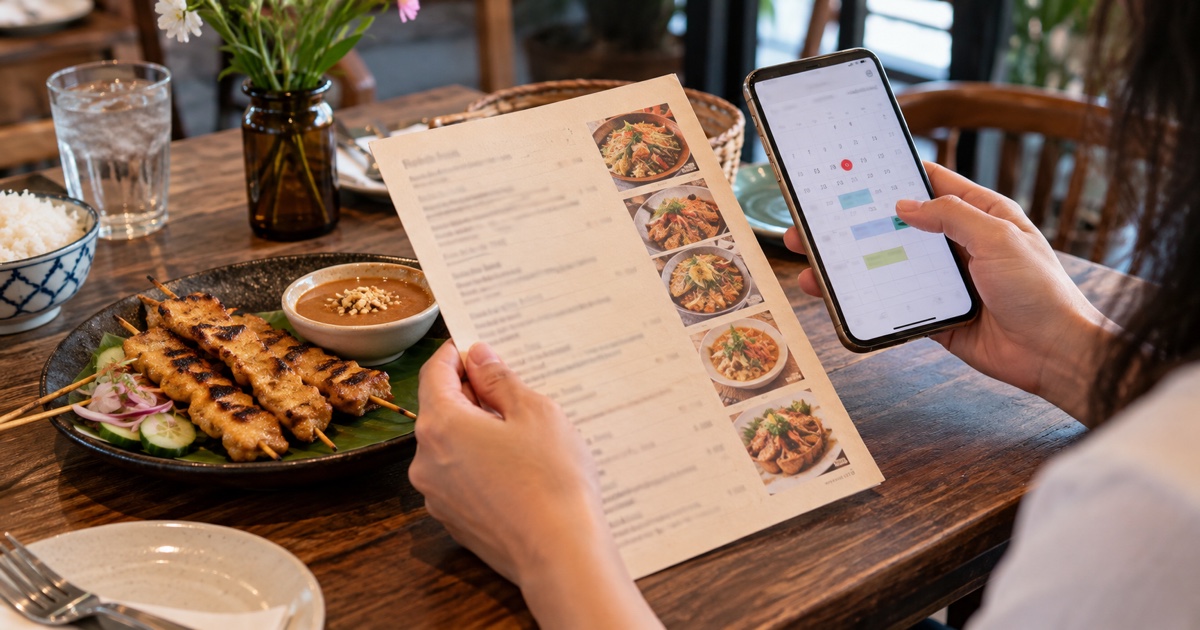
Read any published terms first, then ask about the gaps relevant to your visit. Useful topics include eligible days, the required booking method, guest numbers, menu exclusions and whether a time refers to arrival or ordering. Ask about public holiday conditions when relevant. Keep the confirmation with the booking details so the organiser can refer to the same information later.
There is also a difference between requesting a table and receiving confirmation. A submitted form is not a reason to stop checking messages. Make sure the date, party size and arrival time match your plan. If the restaurant proposes another sitting, reassess the evening instead of accepting automatically. A saving is useful only when the arrangement remains workable.
Consider a simple comparison: one plan needs everyone to leave work early and add a dish nobody requested, while another fits the normal meeting time with the food they wanted. Write down both complete plans. Include the practical effort as well as the expected bill, without assigning an invented dollar value to convenience. The right choice depends on the group. Making that comparison explicit helps the organiser explain the decision without promising that the lowest advertised price always produces the best evening.
Avoid three common mistakes: treating an old social post as a current offer, assuming another branch or restaurant has identical conditions, and booking before discussing the timing with guests. For more ideas about shaping the meal itself, read the guide to choosing a varied Thai meal. Good planning covers both the booking and the food.
A practical checklist before choosing an Albany restaurant
- Confirm that the restaurant can accommodate your group at the required time.
- Check current dishes, dietary communication and the complete expected meal cost.
- Read the actual offer conditions, if an offer is available.
- Ask about uncertain arrivals or a firm departure requirement before booking.
- Keep the confirmed date, time, party size and relevant terms together.
- Choose a venue whose service and setting suit the occasion as well as the budget.
Chanya Thai describes a small dine-in space, so group size and availability deserve an early conversation. BYO appears on its website, but check any relevant arrangements directly before bringing a bottle. These practical points can influence the evening more than a small difference in the advertised price.
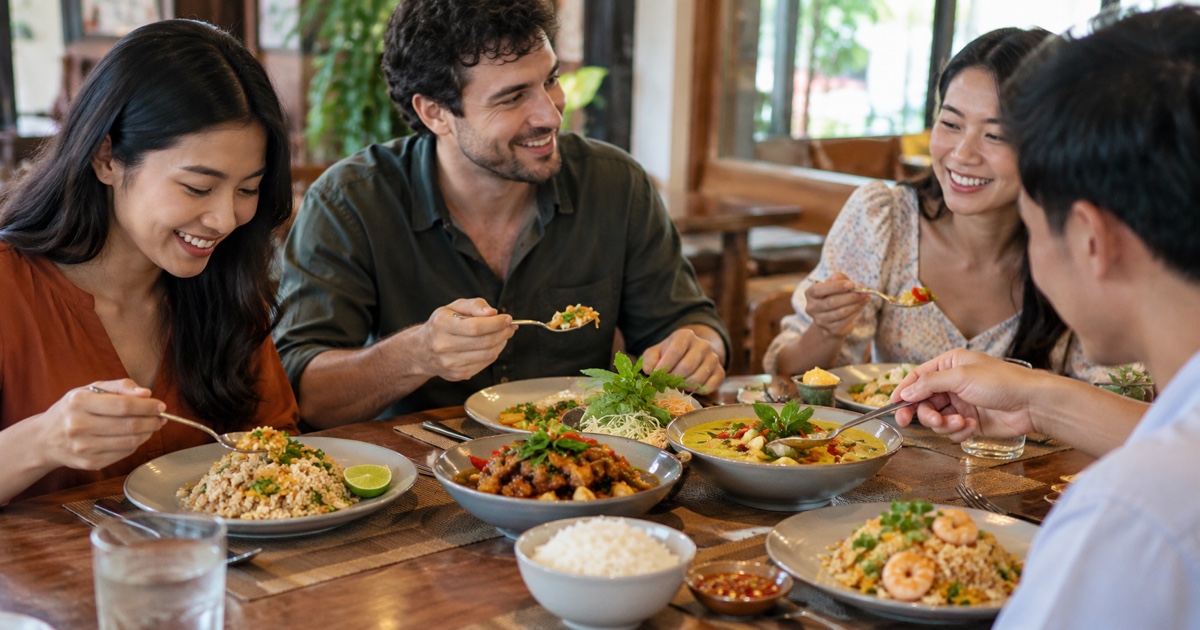
Make the time window part of the value decision
The most useful restaurant deals are the ones that fit the people, meal and occasion. Confirm timing first, compare the full order second, and keep a flexible alternative if someone cannot arrive as planned. This approach makes Albany dining easier to organise without turning the evening into a race against an unclear condition.
Ready to plan a Thai dinner? Visit the Chanya Thai website for current booking and menu options, or call 08 9800 1901 to discuss your group and preferred time. Ask directly about any current offers before relying on them.
Frequently asked questions
Does Chanya Thai currently advertise a dine-in deal?
This guide does not verify or announce a specific promotion. Check the current website and contact the restaurant for any available offer and its conditions before planning around a discounted price.
Does a booking time automatically satisfy an offer?
No assumption is reliable. Ask whether the relevant condition concerns booking, arrival, seating or ordering, and confirm how it applies to the whole party.
What should I do if a guest will be late?
Tell the restaurant before the visit and ask whether the arrangement can accommodate the change. Update the group once there is a clear answer rather than promising that the original conditions will still apply.