


The best Thai restaurant for a long conversation may be different from the place you choose for a lively group celebration. Enjoyable food matters in both settings, but an evening can feel tiring if everyone has to repeat themselves across the table.
The overlooked detail is that noise changes with the time, the seat and the way your own group is arranged. A restaurant cannot be labelled permanently quiet from one photograph or visit. How can you assess whether a setting is likely to suit the conversation you have in mind?

Compare a relaxed conversation with a lively meal
Begin with the purpose of the evening. Two friends catching up may want to follow each other’s stories without leaning forward repeatedly. A birthday group may welcome a more energetic atmosphere and accept that conversations will happen in smaller clusters.
Neither preference is more sophisticated. They simply call for different choices. Describe your own priority before looking for a restaurant: steady conversation, an informal shared dinner or a celebration where activity is part of the appeal.
Think about your group, too. Someone who finds overlapping conversations difficult may need a different arrangement from a person who enjoys a busy room. Ask what will help them participate comfortably rather than deciding that “a bit of background noise” should suit everyone.
Background sound and interrupted conversation are different tests
A room can contain music and ordinary activity while still allowing comfortable speech. The useful question is whether you can follow the person you are with at a natural speaking level. A general impression of liveliness does not answer that question on its own.
Notice the effort required. Are people repeatedly asking for words to be repeated? Do they lean across the table for every sentence? Are they speaking much louder than they want to? These are practical signals about that particular table and moment.
A single sudden sound also differs from constant competition. A brief burst of laughter may interrupt a sentence, while several nearby conversations can affect the whole exchange. Focus on the pattern that matters to your group rather than expecting complete silence.
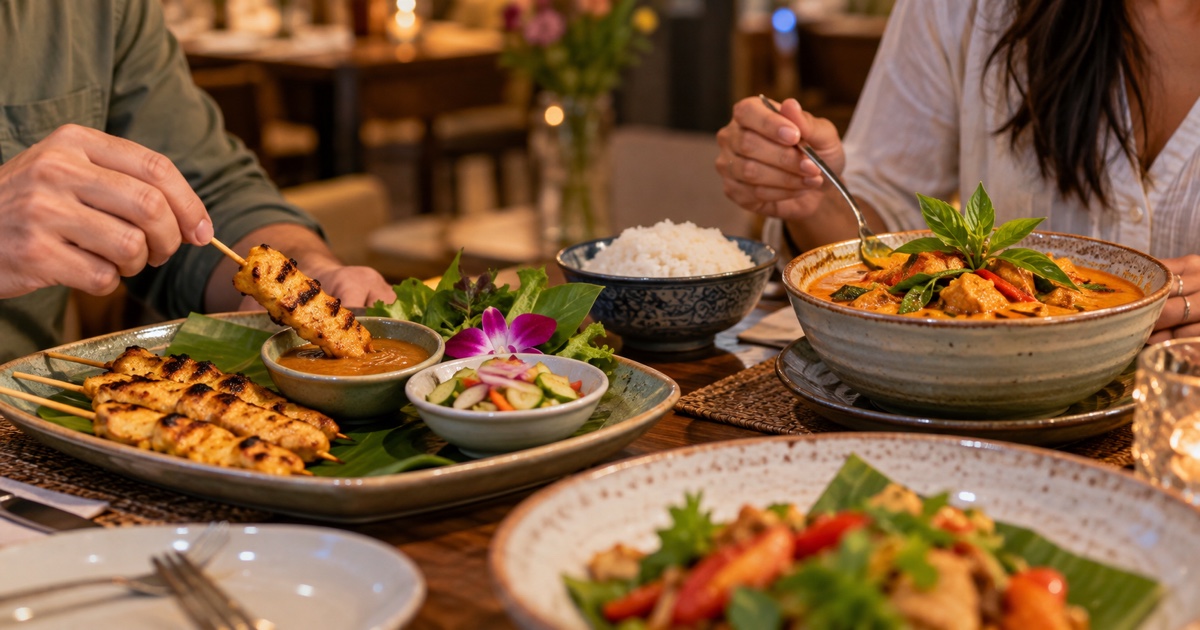
Compare the same dining room at different times
Occupancy can change the experience of a room. More guests bring more conversations and movement, while quieter periods may feel different. A restaurant’s opening time alone does not tell you when those changes occur on a particular day.
Ask the team whether your proposed service is usually busy and whether another available time might better suit a conversation. Treat the answer as useful guidance, rather than a guarantee about who else will arrive. Bookings and nearby tables can change.
If your plans are flexible, compare two realistic options before choosing. An earlier arrival may suit some groups, while another time may be more comfortable for yours. Confirm service availability and allow enough time to enjoy the meal without watching the clock.
Compare seating positions without imagining a floor plan
A seat beside a regular walking route may feel different from one where people pass less often. A position near an entrance may involve movement that another table does not. The impact depends on the actual room, so ask rather than assuming a specific quiet corner exists.
Describe the request in terms of your need: “We are hoping for an easy conversation; is there a suitable table away from the main traffic, if available?” This gives the restaurant a practical question without demanding an unverified seating feature.
Chanya Thai describes a small dine-in space on its official website. This article does not claim that any particular table there is quiet. Discuss the room and available seating directly before relying on a preferred arrangement.

Table shape and group size change how conversation works
A conversation between two people has a shorter path than one involving the ends of a large table. With several diners, people naturally form smaller exchanges, and a shared story may need more coordination. A room that suits a couple may feel different to a large group.
Tell the restaurant the accurate number of guests and ask how they can be seated. Avoid assuming that extra chairs can be added without affecting space or comfort. The seating arrangement is part of the booking, not merely a detail to solve on arrival.
Within the group, choose seats with conversation in mind. People who want to speak together should not end up at opposite ends by accident. Keep shared dishes accessible so the meal does not require constant reaching and interruptions.
Compare first-hand observations with photos and reviews
A photo can show tables and decor, but it cannot tell you the noise at your planned service. A review may describe one visit accurately while reflecting a different time, table or group size. Use these sources as prompts for questions, not a fixed forecast.
If you have visited before, remember the circumstances. A calm early dinner does not establish what a later celebration would feel like. Equally, a busy visit does not prove every service has the same atmosphere.
The most useful evidence combines what you observed with what the restaurant can confirm now. Ask about the proposed date and group, then decide whether the remaining uncertainty is acceptable. There is no need to invent a precise noise rating to make a sensible choice.
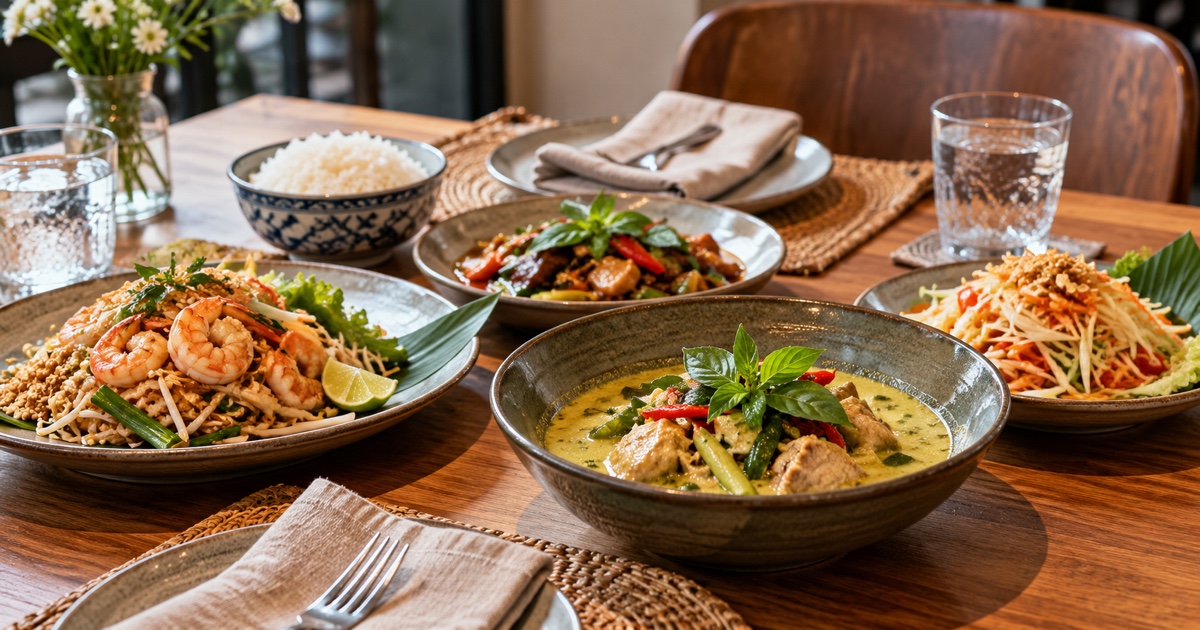
Mistakes that can undermine a conversation-focused booking
One mistake is asking for “the quietest table” without explaining the need. A request for fewer passers-by, or for two diners to sit where they can face each other comfortably, may give the team more to work with.
Another is arriving with a larger group than booked. Extra people can change both the seating and the way everyone talks across the table. Update the restaurant promptly if numbers change and ask what arrangement is possible.
Finally, avoid expecting staff to control every neighbouring conversation. Ask for practical help within the setting, while accepting that a restaurant is a shared space. If the room does not suit an essential requirement, consider another available time or setting.
A practical checklist before you reserve
- Decide whether the evening centres on conversation or celebration.
- Ask every diner about any seating needs that matter.
- Give the restaurant the complete guest count.
- Enquire about your proposed service and another possible time.
- Describe a useful seating preference without assuming it exists.
- Confirm whether the preference can be arranged or remains conditional.
- Plan a comfortable amount of time for the meal.
Explore more dining and booking tips when preparing for an evening with particular priorities.
Choose the best Thai restaurant for the whole evening
Noise is one criterion alongside menu fit, seating availability, timing and clear communication. A suitable restaurant should support both the conversation and the meal you want. Confirm dietary questions and practical requests before treating the booking as settled.
A manageable shared order can make the table easier to use. Read our guide to balancing a Thai meal before choosing several dishes. Variety is welcome, but the table should still have room for plates, glasses and relaxed interaction.
On arrival, check the arrangement before settling in. If something important differs from what you discussed, explain it politely and ask whether an alternative is available. Raising the issue early gives the team a clearer opportunity to help.
Plan for an easy conversation, then enjoy the meal
The best Thai restaurant for conversation is one whose setting and available arrangements fit your group. Compare times, ask specific seating questions and judge the effort of talking rather than relying on a single label such as quiet or lively.
Planning a relaxed dinner at Chanya Thai in Albany? Call 08 9800 1901 with your date, group size and conversation-focused seating request. Confirm what can be arranged before finalising your reservation.
Frequently asked questions
Can a restaurant guarantee a silent table?
A shared dining room includes other guests and normal service activity. Ask what seating and timing options are available, then decide whether that setting meets your needs.
Is an earlier booking always quieter?
Not necessarily. It depends on bookings and the service. Ask about the date and time you are considering rather than assuming every early sitting has the same atmosphere.
What should I mention when conversation is difficult in busy rooms?
Describe the practical arrangement that helps you participate, such as facing your companion or avoiding a busy walkway. Discuss it directly and confirm whether the available seating is suitable.