

A small extra dish can be the most enjoyable part of dinner, or the item nobody really wanted once the mains arrived. When looking for cheap Thai food, the overlooked question is often whether a starter fits the meal you intend to eat. A lower total is useful when the order still suits the people at the table.
This guide works through common starter-ordering problems, from adding entrées out of habit to sharing a portion without discussing it. The aim is a satisfying meal budget rather than a rule that every dinner needs more dishes. How can you choose Thai starters deliberately and judge value for money by the whole meal instead of the appeal of one extra plate?
Problem: the order is larger than anyone wants
Start with the main meal the group actually intends to eat. Identify the diners, their general appetites and whether they will share dishes or order individually. Then consider whether a starter adds something they want. Automatically attaching an entrée to every main can create an order that looks generous on screen but feels excessive at the table.
Think about the occasion too. An unhurried dinner with friends may suit a shared starter that gives everyone something to taste. A straightforward meal after a busy day might be better with the chosen main and an appropriate accompaniment. The same person can make different choices on different evenings without needing a fixed rule about what counts as a proper Thai meal.
Ask the group a direct question before adding food: would everyone like a starter, and which one would they actually choose? An enthusiastic answer gives you useful information. A vague response such as “whatever you think” may be a reason to keep the order simpler. Choose around the people eating rather than an imagined ideal spread.
Problem: the starter is added from habit
A familiar extra can slip into an order before you have considered the rest of the meal. Pause and identify what you enjoy about it. Crisp pastry, grilled chicken and a dipping sauce offer different experiences, so choose the contrast you want rather than selecting several dishes because they all look appealing separately.
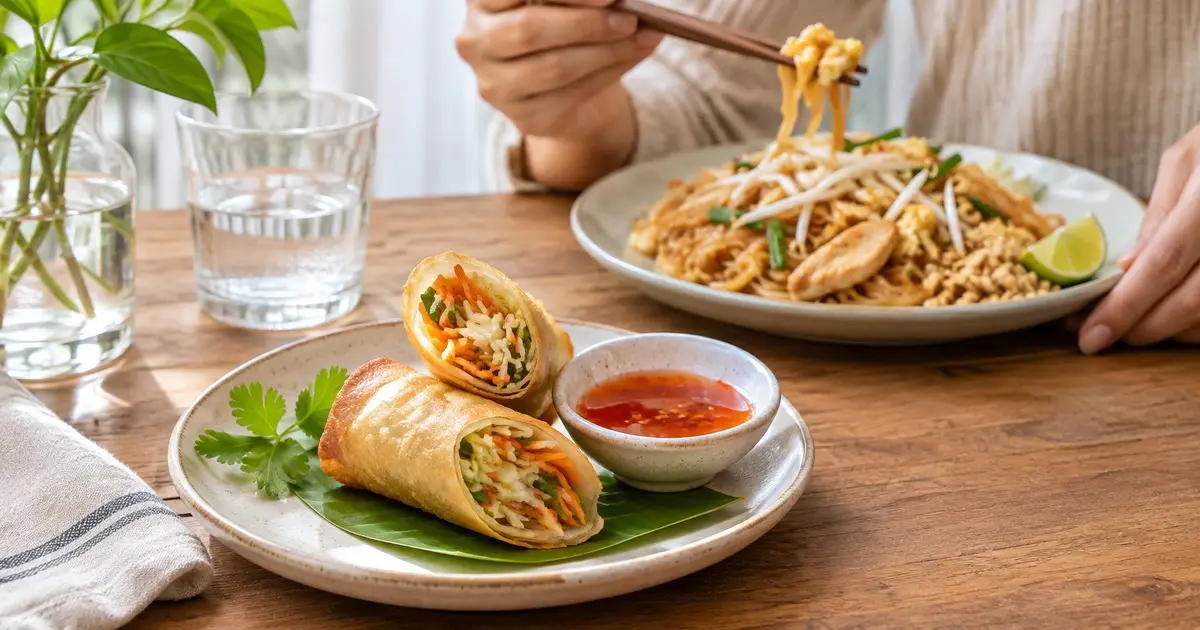
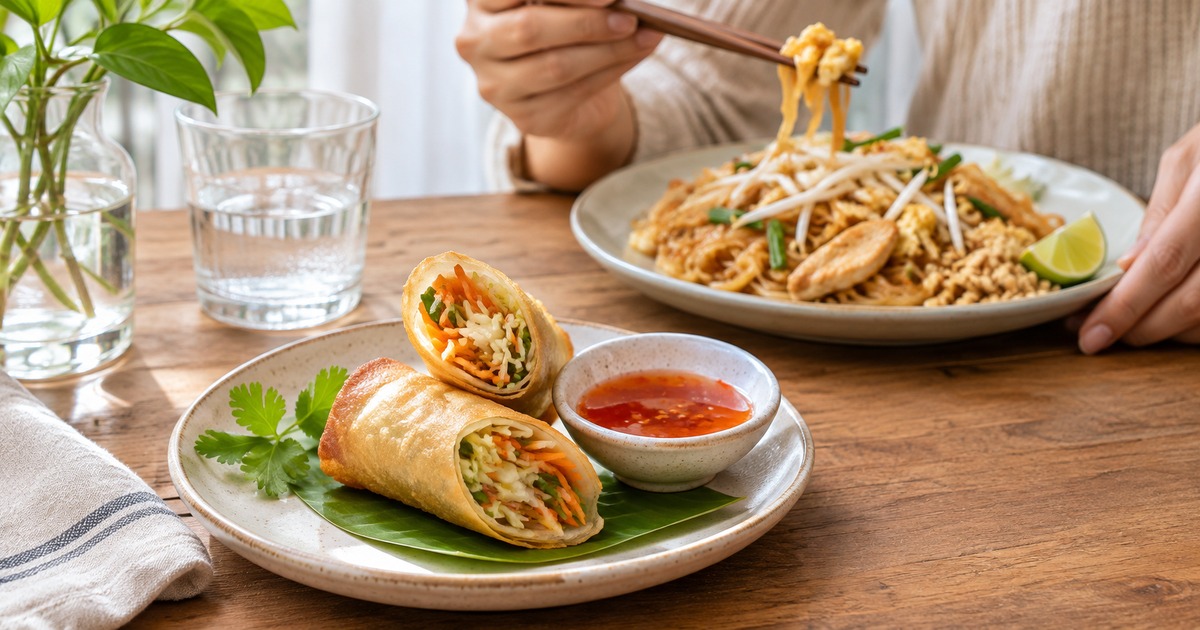
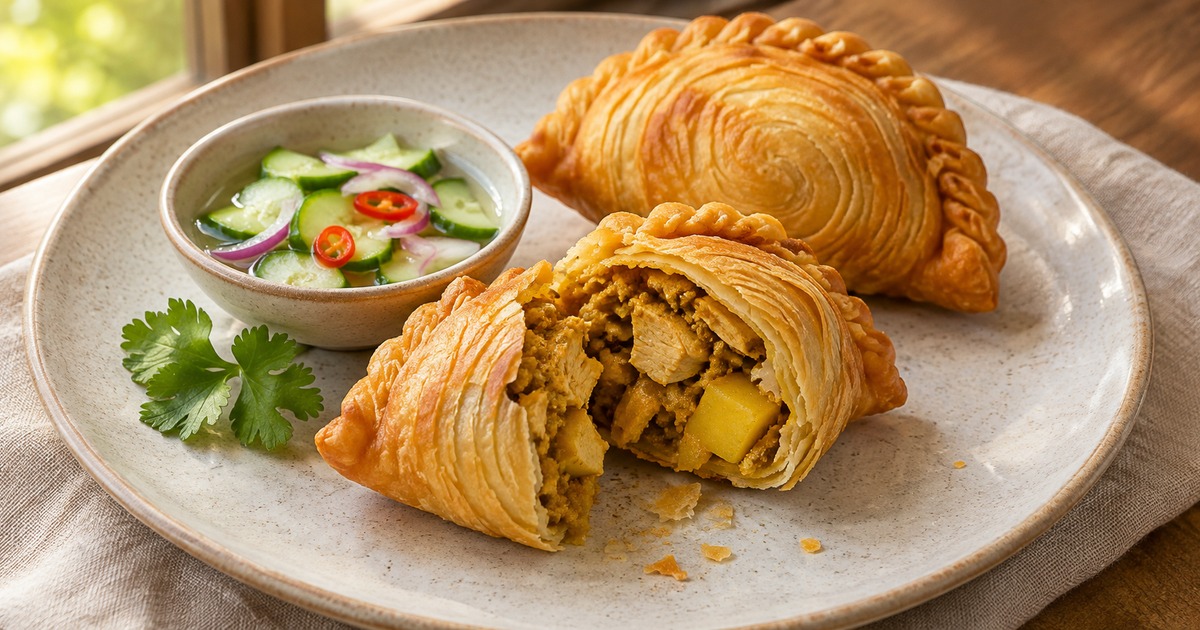
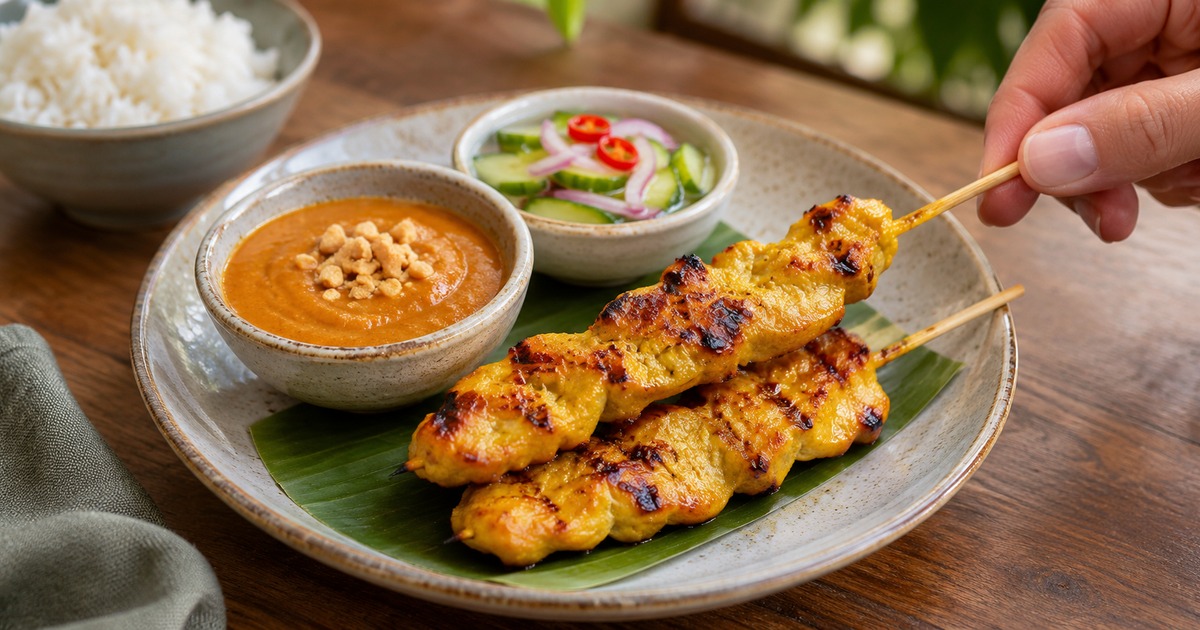
Chanya Thai’s published entrées include spring rolls, chicken satay, curry puffs and fish cakes. Read the current descriptions when comparing them. Chicken satay brings grilled chicken with peanut sauce and cucumber and onion pickles; the listed curry puffs include a savoury chicken and vegetable filling. These are different choices with their own ingredients and accompaniments.
Select the item that makes sense with your planned main. If there is no clear preference, you can leave the starter out of this order and explore it another time. Finding cheap Thai food does not require assembling the largest possible selection. A smaller, intentional order can fit both the appetite and the occasion more comfortably.
Problem: shared entrées are not really agreed
Sharing works best when everyone knows what is being shared. Ask who wants the starter before deciding how many to order. A person choosing their own main may still want a taste, while another diner may be happy to skip it. Neither preference should be assumed from the way the rest of the meal is organised.
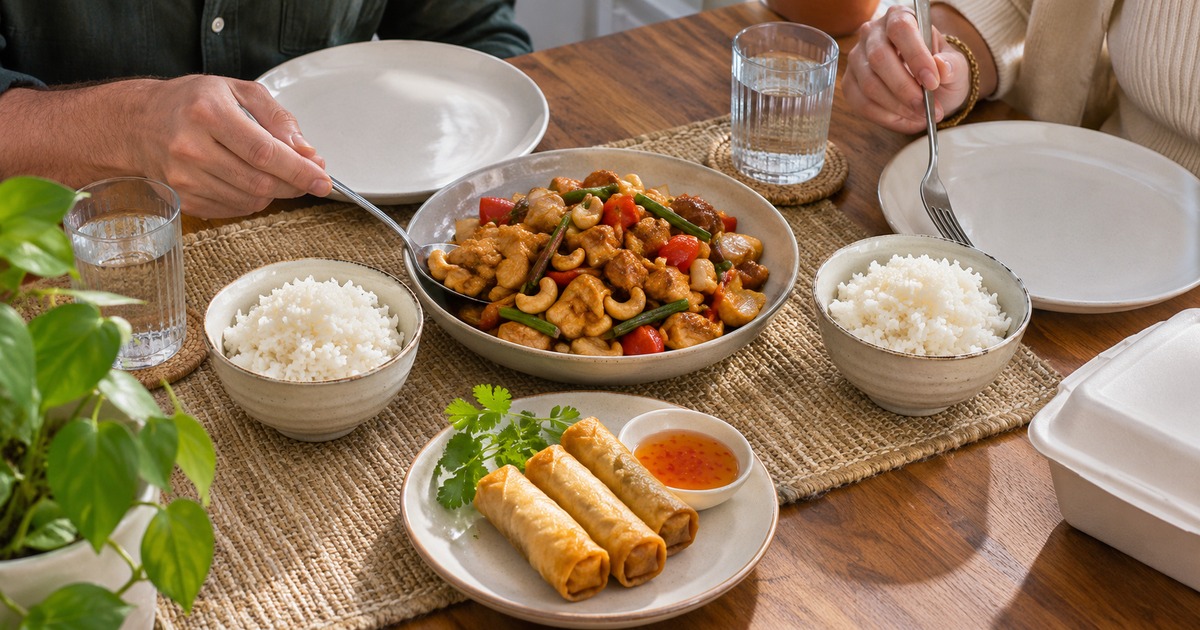
Check the current serving information or ask the restaurant when the number of pieces matters. A photograph shows a presentation, not a guaranteed portion count. Some items are easier to divide than others, and a small group may prefer one shared dish to several individual starters. Make that decision using the actual menu and diners.
Agree how the cost will be handled as well. Shared entrées can create a small misunderstanding if a diner who did not want one is later expected to contribute equally. An ordinary conversation before ordering is usually easier than reconstructing who tasted what at the end. The plan should feel comfortable to the group, not just mathematically convenient.
Problem: the starter competes with the main meal
Consider texture and flavour across the whole order. A crisp entrée might provide a useful contrast to a saucy curry, while another combination may repeat the feature you already have in the main. Repetition is not automatically a problem, but it should be something the diners want rather than an accidental result of separate choices.
Rice, sauces and accompaniments also take space on the table and contribute to the meal. Check what is included with the selected dishes before adding another item. An unfamiliar name is a reason to read the description, especially when a dipping sauce or garnish is part of the appeal.
Our guide to choosing which Thai dishes to eat first can help with a shared order. Serving the meal comfortably is part of the experience: make space, use suitable utensils and let everyone choose manageable portions rather than filling each plate before the group has tasted anything.
Problem: the budget only includes the mains
Compare the full intended order before the final step. Add the starters, rice, drinks or other items you have actually chosen, then read the displayed total and any applicable charges. A main that initially looked inexpensive may be part of a larger meal once the additions are included.
Compare restaurants using equivalent baskets: the same intended mains, rice and starters. That gives a clearer view of the cost of the meal you actually want.
Check the ordering method as well. Our guide to comparing collection and delivery costs explains why the full arrangement matters. Do not assume delivery is available from a restaurant simply because it appears in a comparison. Use the current options and confirm any arrangement you need.
Choose clear portion information and a suitable menu
Useful value for money begins with knowing what you are ordering. Look for clear descriptions and a restaurant that can answer a specific portion or ingredient question. A straightforward answer helps you choose the right amount without guessing from an image or expecting an unconfirmed change.
Review the current Chanya Thai menu and compare the selected entrée with the rest of your meal. Ask directly about important ingredients before deciding that a dish suits everyone sharing it. The presence of a vegetable filling, a sauce on the side or a familiar name does not establish the full preparation.
Keep your comparison practical. Choose a dish the table wants to eat, then consider how well the complete order meets the group’s plans.
A checklist before adding a starter
- Decide which mains and accompaniments the group wants first.
- Ask whether anyone actually wants a starter today.
- Choose a texture or flavour contrast you would enjoy.
- Check portion information when sharing depends on the number of pieces.
- Agree who is sharing and how the cost will be divided.
- Review the complete order total before proceeding.
- Leave out an addition that does not fit the appetite or budget.
You can keep a short note after the meal if takeaway portions were difficult to judge. Record what was ordered and who ate, rather than declaring one portion size right for every future group.
Let the appetite decide the extra plate
Cheap Thai food is easier to compare when starters are deliberate choices within a complete meal. Choose the main order first, discuss shared dishes and check the full total. A well-chosen entrée can add real enjoyment; an unnecessary one only makes the order larger.
Planning Thai takeaway in Albany? Browse Chanya Thai’s current entrées and call 08 9800 1901 with any portion or ingredient question before choosing the meal that fits your table.
Frequently asked questions
Does every Thai dinner need a starter?
No. Choose around the diners, appetite and occasion. A main with the accompaniments you want can be a suitable meal without another dish.
Is one shared starter always enough for two people?
There is no universal answer. Check the current serving information and consider what else the diners are ordering before choosing a quantity.
Should I compare only the cheapest main?
Compare the full meal you intend to order, including chosen additions and any applicable charges. Different baskets do not give a useful cost comparison.
Can I assume the photograph shows the portion supplied?
Ask for current serving information when that detail matters. A photograph is a limited guide to the arrangement and amount you will receive.