

The last guest has left, the serving table is clear, and someone says, “Let’s order the same food next time.” That sounds simple until the next organiser asks what was ordered, how many people actually ate, and why two dishes ran out first. Useful restaurant catering notes turn a pleasant memory into a practical starting point.
The overlooked detail is context. A popular dish at a seated birthday dinner may be awkward at a standing meeting. Recording the setting alongside the food helps you repeat what worked without repeating unsuitable quantities or assumptions. What should you keep, change and confirm before the next booking?
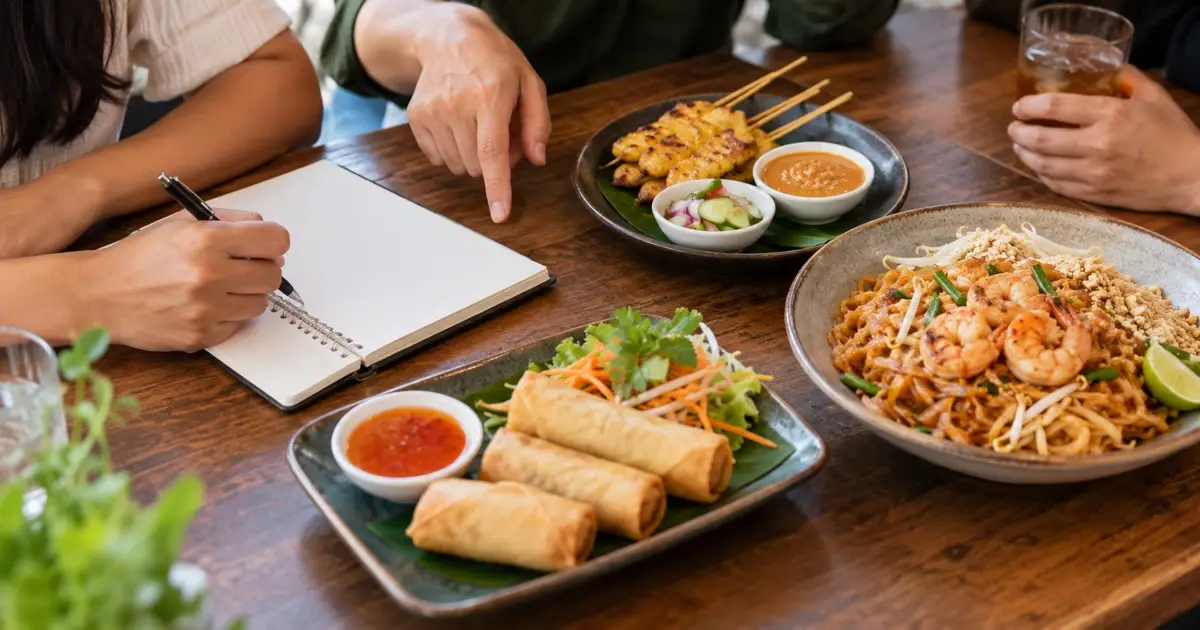
Restaurant catering decisions start with the next event
Before copying an old order, decide which situation you face. The answer determines how much of the previous plan remains useful.
Same group, similar occasion
A regular committee dinner offers the closest comparison. Keep the previous guest count, dish list and serving arrangement together. Note who attended rather than relying only on invitations. If fourteen people were invited and eleven ate, ordering again for fourteen could reproduce an unnecessary surplus.
Same venue, different audience
A family celebration and a workplace gathering can use the same room but require different food. Children, dietary needs, eating preferences and time available may change. Retain information about tables and access; collect the new guests’ requirements separately. Previous popularity is useful evidence, not a guarantee that everyone will enjoy identical choices.
Different venue or service style
Moving from seated dining to a community hall changes the task. Establish whether you need collection, transport, setup, serving equipment or staff. A large takeaway order and full event catering involve different responsibilities. Ask the restaurant what it can actually provide before building the rest of the event around it.
Create a short event record while details are fresh
Use one shared document with the event date, organiser, confirmed diners and meal time at the top. Keep the final order or invoice beside it, with personal information removed before sharing widely. Avoid scattered notes that leave the next organiser comparing an early quote against a later menu.
Record each dish by its exact name and selected variation. “Chicken dish” might describe a curry, stir-fry or noodle meal. Include rice and accompaniments separately so someone reading the record can reconstruct the whole table. Our guide to building variety into a Thai meal can help you think beyond a list of favourites.
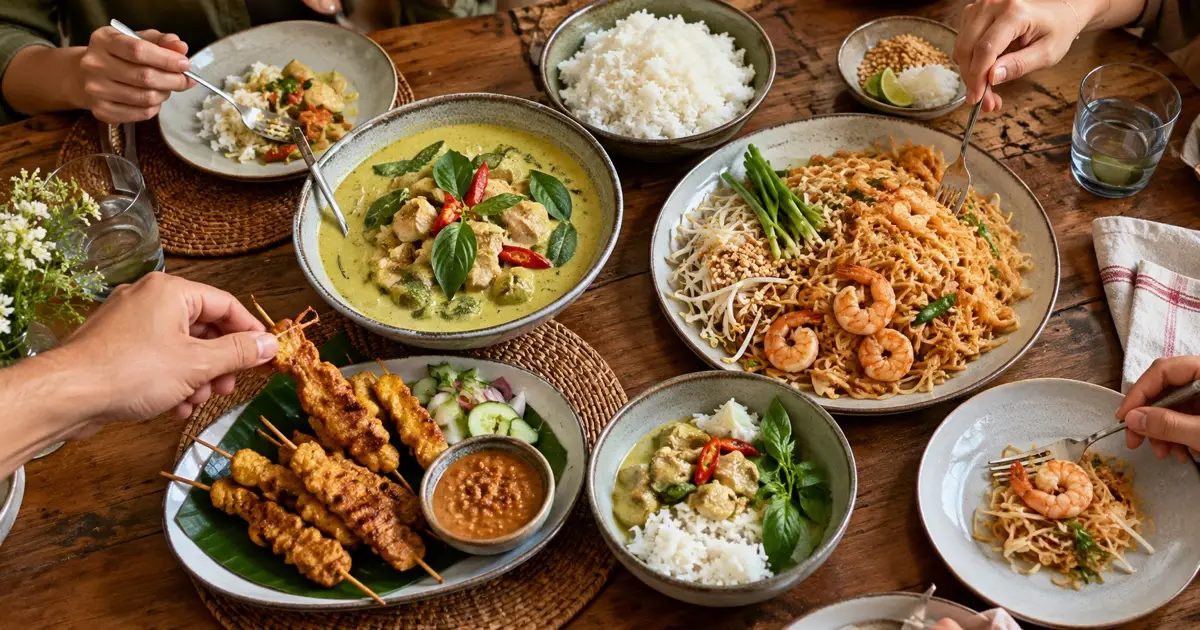
Write portion observations you can use
“Plenty of food” is reassuring but difficult to interpret. More useful notes describe what happened: one rice container remained unopened; a stir-fry finished during the first serving; two guests arrived after most people had eaten. These observations explain the result without pretending every diner has an identical appetite.
Separate unopened surplus from food already served. Also record when additional food was brought out. A dish that vanished early may have been popular, but it may simply have been the easiest item to reach. Table position, serving utensils and queue direction can influence what guests choose.
For the next event, change one part of the plan deliberately. You might reduce one duplicate main, retain a lighter dish or review rice quantities with the restaurant. Do not convert a single experience into a rigid portion formula. Share your observations and ask which adjustments suit the proposed menu.
Include timing, access and host responsibilities
Write down the agreed collection or handover time and the actual time the meal was served. A successful collection followed by a delayed speech is a different issue from an order that was not ready. Accurate notes let the next organiser solve the right problem.
Record the practical route between vehicle, entrance and serving table. Mention steps, locked doors, limited bench space or a distant car park if these affected your event. Keep these as venue observations, and confirm current access arrangements again before the next gathering.
List what the host supplied: plates, serving spoons, labels, table covering and people to distribute food. If guests struggled to identify dishes, record the need for clearer labels. Dietary information should come from the restaurant for the specific order; a previous organiser’s handwritten guess is not an ingredient confirmation.
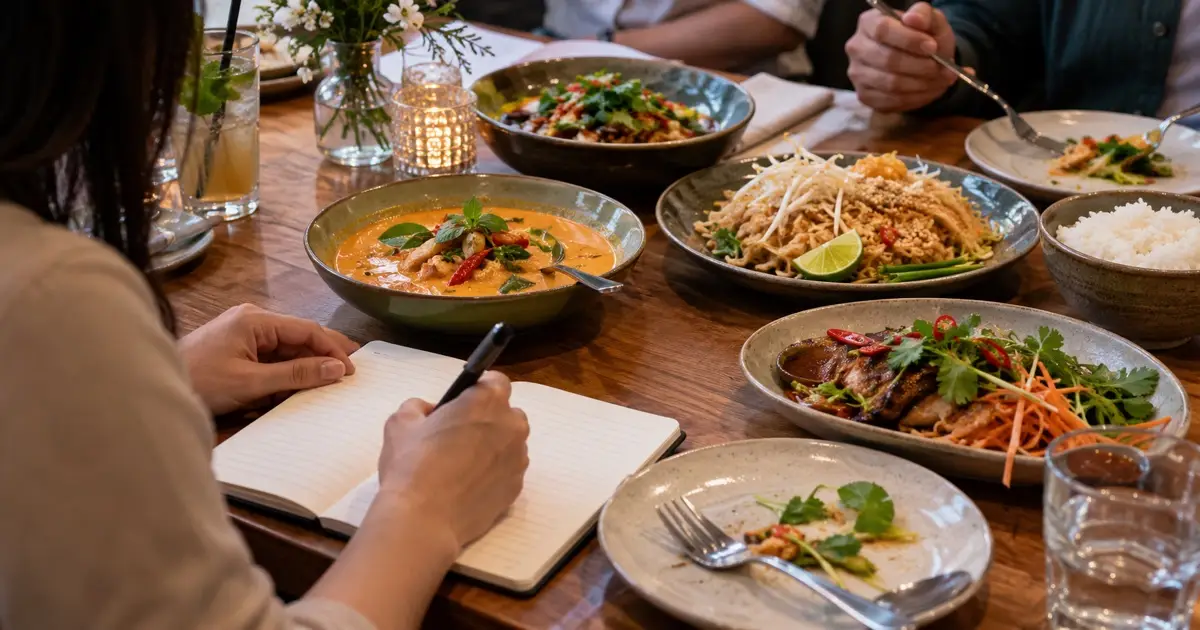
Avoid three mistakes when reviewing a successful meal
Copying the order before checking attendance. Start with confirmed diners and the event style. Then use the old order to discuss suitable quantities. A familiar menu cannot resolve a changed head count.
Recording only complaints. Keep successful choices as well: a clear collection contact, a dish that suited mixed preferences, or a serving arrangement that kept the table accessible. Otherwise the next organiser may remove the very details that made the meal easy.
Treating last time’s arrangements as a standing promise. Menu availability, capacity and booking conditions can change. Keep the earlier record as background and ask for fresh confirmation. This matters especially when an event requires services beyond ordinary takeaway.
Turn your notes into a clear next enquiry
A concise brief could say: “We are planning another seated group meal for twelve adults on this date. Last time we collected the order and supplied plates. The rice was sufficient, but we would like advice on a more varied main selection. Can you accommodate this, and what arrangements are available?”
That gives the restaurant something concrete to assess while leaving room for its advice. Request the final dish list, quantities, total and agreed responsibilities in a form you can refer to. Confirm how changes should be communicated and which person has authority to approve them.
Keep the new confirmation separate from the previous event record. Mark it clearly as the current version. For more practical meal planning ideas, browse the Chanya Thai blog, then apply relevant ideas to your own venue and guests.
Give your review a clear owner as well. A volunteer who organised one dinner may not be involved next time, so store the agreed record somewhere the next host can find it. Include a short explanation of any deliberate compromise, such as choosing easier serving dishes because the venue had limited table space. Without that explanation, a later organiser might interpret a sensible choice as a mistake and undo it. Keep personal preferences anonymous where possible, while retaining the practical information needed to plan the next meal.
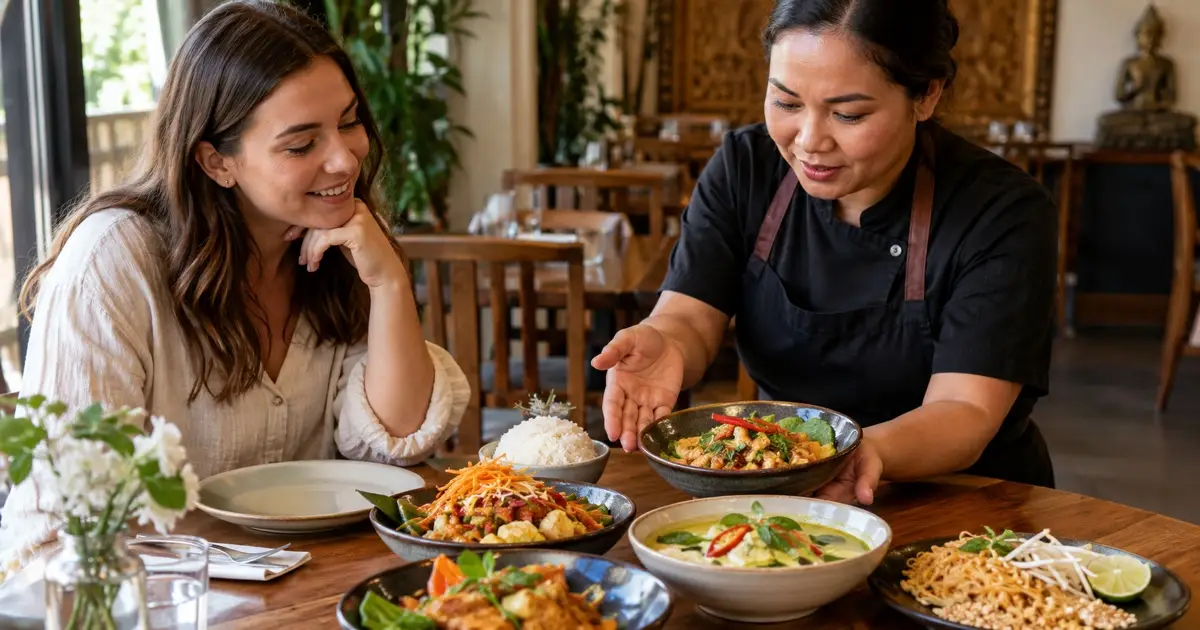
A checklist before choosing your restaurant
- Confirm the restaurant can support your proposed date, group size and service requirements.
- Check the current menu, dietary questions and realistic collection or handover arrangements.
- Agree who transports, labels, serves and clears the food.
- Review the complete quote and any change deadlines before committing.
- Choose a named organiser to keep the latest written confirmation.
Good communication and a suitable menu matter more than simply repeating a previous supplier. Chanya Thai’s website provides dine-in and online takeaway options, but does not establish a catering service. Ask directly about group order possibilities and availability before making event commitments.
Make the next event easier to organise
Effective restaurant catering records explain what happened, why it mattered and what needs checking again. Keep the details brief, factual and accessible to the next organiser. The result is a better enquiry and a meal planned around today’s guests.
Planning a group meal in Albany? Visit Chanya Thai’s official website to review the current menu, or call 08 9800 1901 to discuss your needs and ask what is available.
Frequently asked questions
Should I order exactly the same dishes again?
Use the previous order as a reference. Check attendance, dietary requirements, the event format and current menu before deciding what to repeat.
What is the most useful note to keep?
Keep confirmed diner numbers beside the exact final order. Add a few observations about leftovers, timing and serving arrangements so the quantities have context.
Does Chanya Thai provide restaurant catering?
Catering availability is not confirmed here. Contact the restaurant directly about your proposed event, and establish whether a suitable group takeaway arrangement is possible.