

Searching for the best Thai takeaway often starts with photographs of noodles or curry. The meal also depends on a less photogenic detail: knowing when and where to collect it. Unclear instructions can leave one person waiting at the wrong entrance while another wonders whether a message means the food is ready.
Good takeaway collection information turns an order into a workable plan. It identifies the arrangement, gives the collector enough detail and offers a way to resolve uncertainty. This problem-and-solution guide helps Albany diners compare collection instructions without expecting every restaurant to use the same ordering screens, notification system or preparation time.
Start with the information a collector actually needs
The best Thai takeaway for your evening should fit the practical journey as well as your appetite. Before comparing convenience, identify the facts needed to collect successfully: the restaurant location, the agreed collection arrangement, the name or order reference to provide, and the contact route for questions.
Separate those facts from assumptions. A statement that an order was received may not describe when it will be available. A location pin may identify the building without explaining a particular entrance. A note entered by the customer may still need a response. Read the current information rather than filling the gaps with what another ordering service usually does.
Chanya Thai’s official website links to online takeaway ordering and provides its Albany contact details. Start there when planning an Albany takeaway, then check the actual instructions given for your order. This article does not promise a particular message sequence, live tracking feature or standard preparation period.
Problem: the collection time is open to interpretation
Words such as soon, later or around dinner can mean different things to the customer and kitchen. If the arrangement is vague, ask for a clearer collection time and establish what that time represents. Is it the time you should arrive, an estimate, or an arrangement that still needs acceptance?
The solution is a specific enquiry linked to your order. Give the name or reference available to you and explain the detail you need clarified. Avoid repeatedly placing the same order because you have not understood the timing response. That can introduce a second problem while leaving the first unanswered.
Compare restaurants by how clearly they communicate the arrangement, not by assuming that the shortest stated wait is always better. A time that fits your journey and has been understood by both sides can be more useful than an optimistic expectation. If you have a firm commitment afterwards, discuss it before confirming the order.
Problem: you know the address but not the handover point
An address is essential, but a first visit can still produce questions about finding the business. Check the restaurant’s current location before leaving and look at the information supplied with the collection arrangement. Avoid relying on an old screenshot or a saved destination from a different venue.
If something remains unclear, ask where you should collect the order. Describe the question plainly rather than requesting a vague assurance that parking or access will be easy. The restaurant can explain its own location and collection process; your route, transport and personal requirements still need consideration.
Chanya Thai lists its location as 12/76 Proudlove Parade in Albany. Verify the current details on its website when planning the trip. If you need information about an entrance or a particular access requirement, ask directly instead of treating a photograph or map symbol as confirmation of the physical arrangement.
Problem: a different person will collect the food
A handover becomes harder when the collector knows only that somebody ordered Thai. Agree in advance who is collecting and give that person the details needed to identify the meal. These may include the ordering name, an available order reference and the accepted collection arrangement.
Keep the shared information focused on the task. The collector needs to find the restaurant and identify the correct order; they should not have to interpret a long group conversation containing several abandoned meal choices. If the order changes, send the latest version rather than assuming the collector will notice an older message being corrected.
Read the dish names and selected variations together before the journey. Our guide to keeping similar Thai dish names straight can help when two diners have chosen different versions of a familiar meal. Clear naming supports a more confident collection conversation.

Problem: the timing or order no longer suits the plan
Traffic, work and family arrangements can change after an order has been placed. If the collector expects to arrive differently from the agreed plan, contact the restaurant promptly. Explain the change and ask what is possible. Do not assume the original arrangement automatically adjusts because a new note has been sent.
Use the same approach when the order itself seems wrong. Check the accepted details first, then describe the specific mismatch. There is a difference between wanting another dish after ordering and discovering that the recorded order differs from what you intended. Giving the restaurant a clear description makes the next conversation easier.
Good service includes a practical response to a clearly explained problem, but no article can promise a particular outcome for every situation. Read our guide to problem resolution in Thai takeaway service for ways to raise an issue politely. Keep the latest agreed collection instructions together so the collector follows the updated plan.
Compare clarity with a short collection checklist
When choosing the best Thai takeaway for a particular evening, use a checklist that reflects your actual routine. A convenient collection arrangement for someone already nearby may not suit a diner travelling from the other side of Albany. Compare the whole task rather than one isolated detail.
- Can you identify the restaurant and current collection location?
- Is the collection time or timing arrangement clear?
- Do you understand the status of the order?
- Does the collector know the name or reference to provide?
- Are the dishes and variations recorded correctly?
- Is there a clear contact route if something changes?
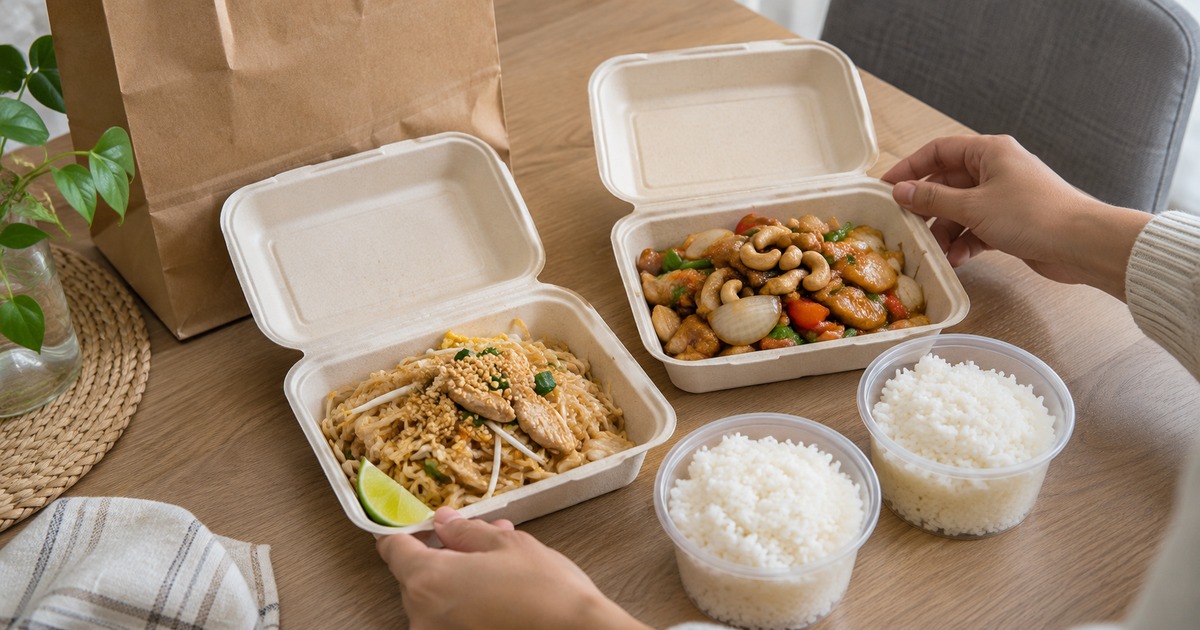
After collecting, have the home table ready for the meal you ordered. Check the contents against the accepted order and raise a specific concern through the restaurant’s contact channel if needed. Keep the communication factual; an assumption about a missing extra is different from an item shown on the order.
Choose the service that fits your evening
The best Thai takeaway choice combines food you want with an arrangement you can manage. Look for a current menu, a clear collection conversation and useful answers to the questions affecting your visit. A polished website alone cannot answer a detail that has never been confirmed.
For a shared meal, choose one organiser to place the order and one person to communicate collection changes. They can be the same person, but the responsibilities should be understood. This avoids the restaurant receiving conflicting messages from several diners while the collector is already on the way.
Make collection part of the quality comparison
Clear collection instructions help a good meal reach the right table with less confusion. Check the timing, location and identifying details, then confirm any changes directly. That is a practical way to compare the best Thai takeaway for your needs beyond photographs and menu favourites.
Review Chanya Thai’s current takeaway information or call 08 9800 1901 to clarify the collection arrangement before setting off.
Frequently asked questions
Does an order acknowledgement always mean the food is ready?
Do not assume that. Read the current status and collection information supplied for the order, and ask the restaurant when the timing is unclear.
What should I give someone collecting on my behalf?
Share the restaurant location, accepted collection arrangement and ordering name or reference available to you. Include the latest confirmed details if anything has changed.
Should I reorder if I cannot understand the collection message?
First contact the restaurant about the existing order. Submitting it again can create confusion without resolving the original question.
What makes collection instructions useful?
They explain the practical arrangement clearly enough for the collector to act, identify the right order and know whom to contact if a detail needs clarification.