

You have a guest list, a date and an idea of the food everyone might enjoy. Now comes a less obvious decision: do you need restaurant catering, or would a large takeaway order do the job? The answer depends on the work surrounding the meal, not simply how many containers arrive.
A birthday dinner around your own table differs from a gathering where nobody can collect, arrange or serve the food. Choosing the right arrangement makes responsibilities clearer and helps you compare costs fairly. This guide follows three situations, then turns them into questions for a useful catering enquiry. Chanya Thai lists dine-in and online takeaway options; any catering or group order availability needs direct confirmation.
Scenario one: you can organise the meal at home
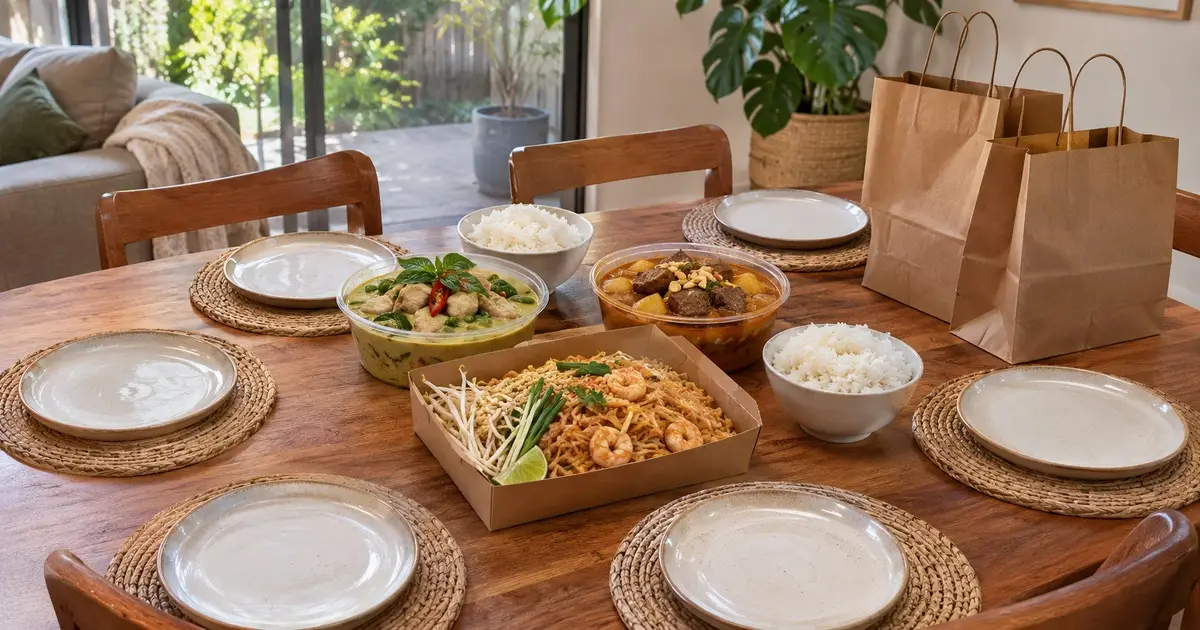
Imagine a small family gathering with enough table space, plates and willing helpers. One person can collect the food, another can lay the table, and the group is comfortable serving themselves. A large takeaway order may fit this situation because the host already has the practical arrangements covered.
Start with the meal you want people to eat. Will everyone sit together, share several dishes or choose individual mains? Thai food for groups can include contrasting dishes, but a long menu does not automatically make ordering easier. Agree on preferences, note ingredient questions and ask what quantities the restaurant can reasonably prepare for your proposed collection.
Check the current Chanya Thai menu and contact options before building the order. Treat availability as something to discuss, especially when the quantity differs from an ordinary family dinner. A menu item being listed does not guarantee an unusually large order can be accepted on your chosen evening.
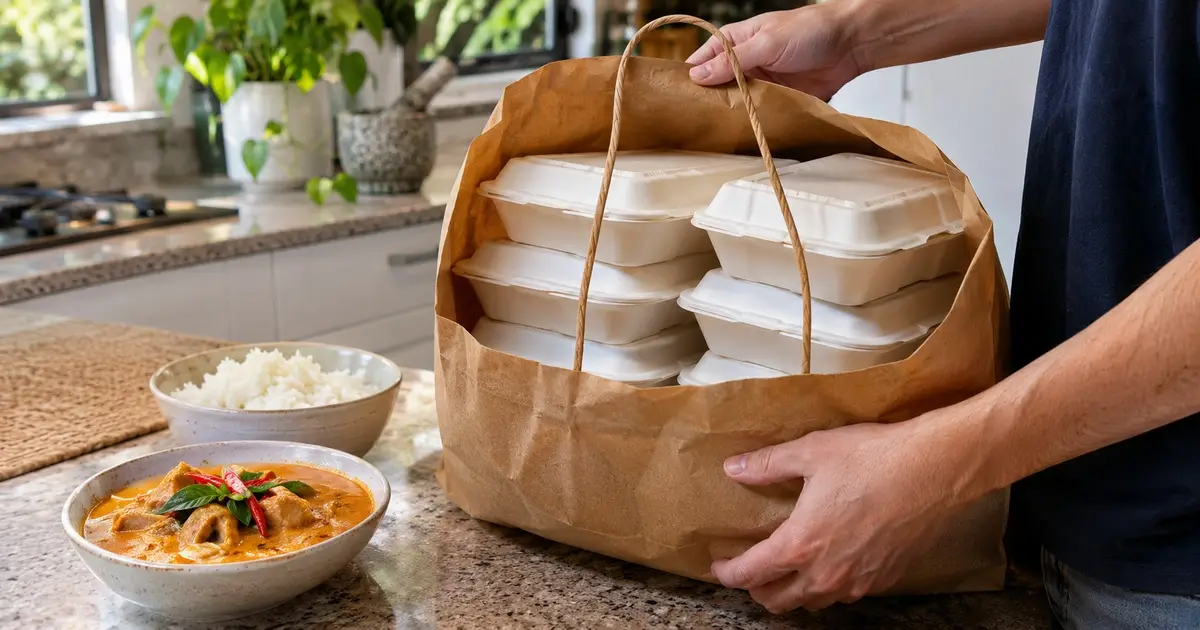
Walk through the collection journey with the person doing it. They need the confirmed order details, a suitable way to carry the containers and someone ready to receive them. Set out serving dishes before the food arrives. That simple preparation prevents the collector returning to a crowded bench while everybody searches for bowls and serving spoons.
Scenario two: the event needs work beyond cooking
Now picture a hired room with guests arriving while the organiser manages speeches and seating. There may be no one available to collect food, supply utensils or clear the serving area. This is where the meaning of event food service becomes important. You need to establish which practical jobs a provider can take on.
Restaurant catering can involve different combinations of transport, setup, equipment and staff. Those elements are not automatically included whenever somebody uses the word catering. Ask for a description of the proposed service, then compare it with the event’s actual needs. A quote for prepared food alone will not solve a shortage of serving equipment.
Make the venue part of the conversation. Access arrangements, available surfaces and the eating format can affect the plan. Tell a potential provider about these conditions before asking for a final proposal. If essential tasks remain unassigned, resolve them before deciding that an attractive dish list is enough.
Ask what happens at the end of the service as well as the beginning. Who owns any supplied equipment, who packs it away, and what must be returned? These are practical questions for a prospective provider, rather than assumptions about Chanya Thai. Include the answers in the plan so helpers understand their responsibilities after guests finish eating.

Scenario three: your plan sits between the two
Many gatherings fall between a straightforward collection and a fully organised event meal. Perhaps a neighbour can collect, but the venue has very few plates. Perhaps the host owns serving dishes but cannot leave before guests arrive. Separate these gaps rather than assuming one service label will cover them all.
Give each task a clear owner
Write down who orders, collects, transports, receives, portions, serves and clears. One person can hold several roles, provided the timing is practical. If the same organiser must collect food while welcoming guests elsewhere, the plan needs another person or a different arrangement.
For repeat gatherings, keep the confirmed order beside notes about what happened. This guide to recording useful event meal details explains how context improves the next enquiry. Previous quantities are a starting point, rather than a promise that a new audience will eat exactly the same amount.
Match the dishes to the way people will eat
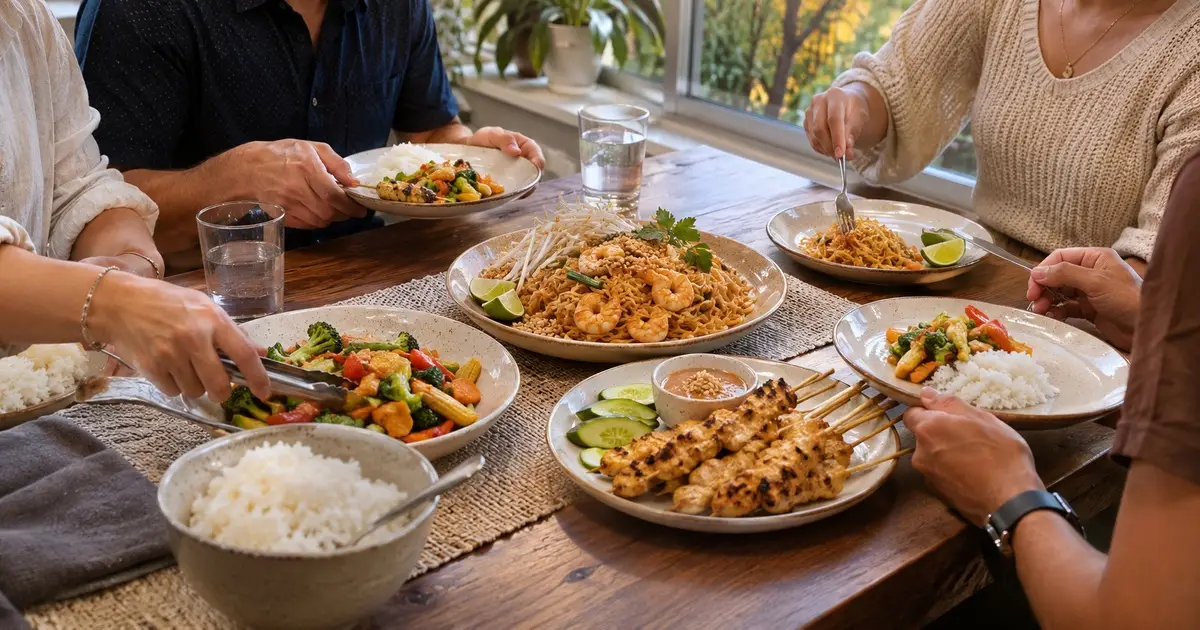
A seated dinner allows diners to use plates, cutlery and shared serving spoons. A standing gathering creates different practical demands. Before choosing dishes, picture a guest carrying their food, finding a place to eat and returning for another portion. The plan should work for that ordinary movement through the room.
Consider variety without creating unnecessary duplication. A noodle dish, a curry and a vegetable option offer different experiences, but the right combination depends on the guests and confirmed ingredients. Do not label dishes suitable for a dietary requirement simply because their names sound appropriate. Ask the restaurant about the particular preparation.
Group meal planning also means deciding whether food will be shared or allocated. Individual meals can make choices clearer; communal dishes can suit a relaxed table. Explain your preferred approach when discussing quantities. Ask what information the kitchen needs, rather than expecting staff to infer the event from an unusually long online order.
Compare the complete arrangement, not one headline price
Two proposals may describe very different jobs. One might cover food ready for collection, while another includes additional services agreed in writing. Compare what each arrangement actually provides before deciding which appears cheaper. Include any equipment or transport you would otherwise organise separately.
Keep the proposed dish list and guest numbers together when asking for clarification. If a quote changes, establish whether quantities, service tasks or timing changed too. This makes the comparison useful and reduces the risk of accepting one version while the organiser still has another in mind.
There is no reliable universal price or lead time for every gathering. The restaurant’s capacity, current menu and proposed service matter. Ask directly about the relevant costs, order deadlines and change process, then keep the latest confirmed details accessible to the people helping with the meal.
Nominate one person to communicate changes. A guest count sent by one helper and a revised dish list sent by another can create confusion. Consolidate the final version before contacting the restaurant, then share the confirmed answer with the group. This keeps a reasonable request from becoming several competing instructions.
A practical checklist before choosing a restaurant
- Describe the occasion, date, expected diners and eating format.
- Identify every task you expect the restaurant to perform.
- Confirm whether a suitable group order can be accepted.
- Discuss ingredients, quantities and any separate meal requirements.
- Check collection or other specifically agreed handover arrangements.
- List the equipment and helpers you will provide yourself.
- Keep the final order, total and change arrangements together.
Choose a provider whose confirmed service fits these needs. Clear communication matters because an ordinary takeaway order and an organised event package can both be useful, but solve different problems. If your needs exceed the service available, adjust the plan before committing the rest of the event around it.
Choose the support your gathering actually needs
The restaurant catering decision becomes easier when you separate food from the work around it. A host with transport, equipment and helpers may need a collection order; an event with several unassigned tasks needs a broader discussion. Either way, agree on responsibilities before choosing the final dishes.
Planning a Thai meal in Albany? Review Chanya Thai’s current menu and call 08 9800 1901 to discuss what is available for your proposed group and date.
Frequently asked questions
Does a large takeaway order include serving staff?
Do not assume it does. Prepared food for collection and staffed event service are different arrangements. Ask exactly which tasks are included in any proposal.
Does Chanya Thai provide restaurant catering?
Catering availability is not confirmed here. Contact the restaurant to explain your event and ask whether a suitable group takeaway arrangement or another option is available.
How many dishes should I order for a group?
There is no single quantity for every gathering. Explain diner numbers, appetites, the eating format and other food being served, then discuss suitable quantities directly.
What should I confirm first?
Confirm availability for the proposed date and the service required. Detailed menu choices are easier to make once you know the restaurant can support the basic arrangement.