

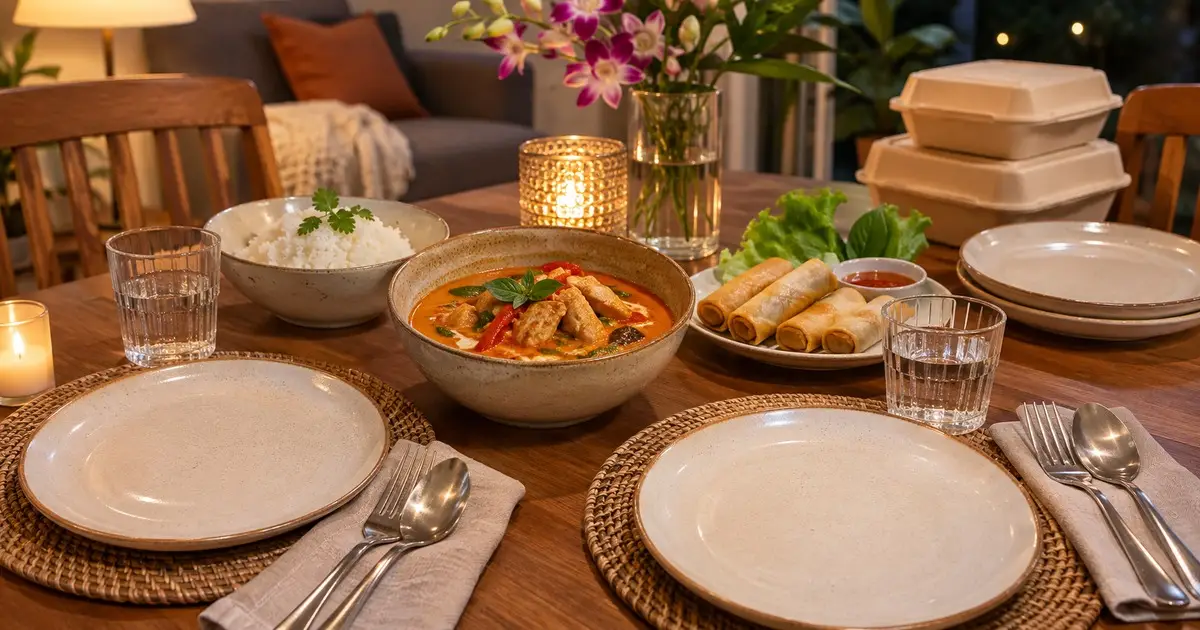
A relaxed gathering can involve guests arriving at very different times. One family comes after sport, another person finishes work later, and the host wants everyone to enjoy a proper meal. The overlooked part of Thai food catering planning is often the arrival pattern, rather than the number of dishes on the table.
This guide uses a series of questions to turn that pattern into a clearer enquiry. Chanya Thai’s website provides dine-in and online takeaway options, but a catering service is not confirmed here. Before making event commitments, ask what the restaurant can actually support. Do you need one shared sitting, a suitable group takeaway arrangement, or a different service with responsibilities that extend beyond preparing the food?
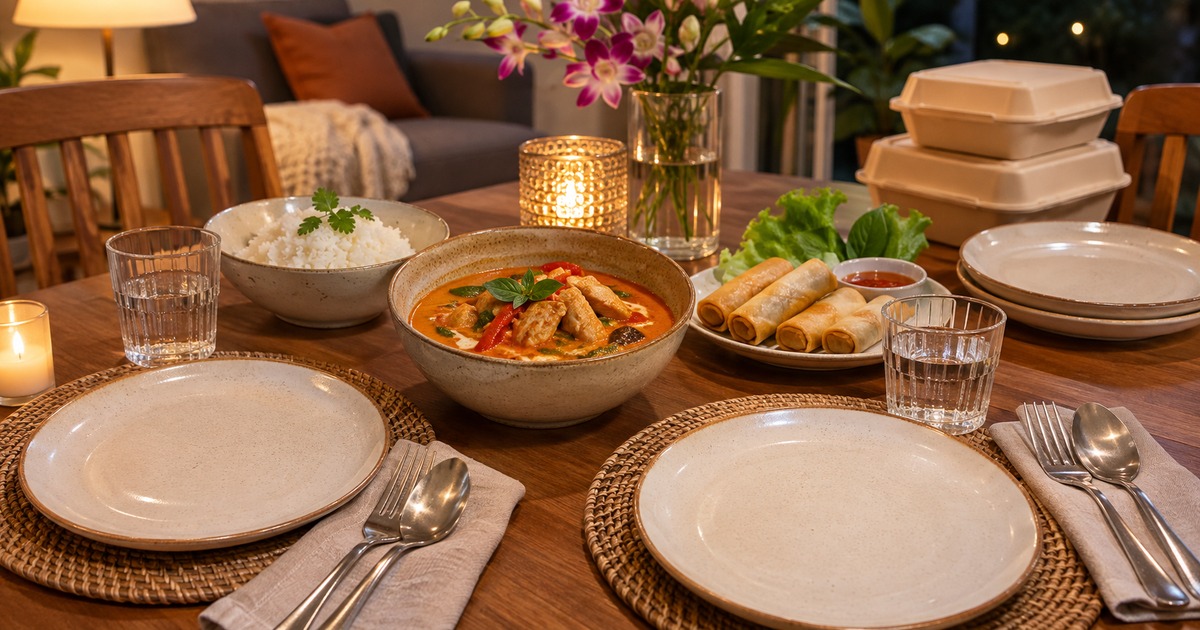
Can guests join one planned meal sitting?
Start by asking whether the staggered arrivals really require staggered meals. Guests might be happy to arrive at different times and eat together later. If so, one agreed sitting may make the order, collection and table arrangement easier to coordinate. Tell invitees the intended mealtime rather than assuming they will infer it from the event’s start time.
Separate firm information from guesses. A guest who knows their work finish time can give a useful window. Someone waiting on another commitment may need to confirm later. Record those differences in a simple list so the final food plan is based on current information rather than the most optimistic version of everyone’s schedule.
If a shared sitting would leave some people unable to participate, identify that early. Your next question becomes how several eating groups can be organised with a clear arrangement for each.
Are you arranging group takeaway or a catering service?
Group takeaway usually begins with ordering prepared dishes and arranging an agreed handover. Event catering may involve additional tasks such as transport, equipment, setup or service, depending on the provider and agreement. Do not assume that a large food order includes those responsibilities. Spell out which tasks your event requires before asking whether a restaurant can assist.
For Chanya Thai, contact the team with the proposed date, guest numbers and dining plan. Ask whether a suitable group order is possible and what arrangements would need confirmation. The menu being available online does not establish a particular large-order capacity, a delivery option or an event service.
If you need staff to serve several meal sittings or specialist event equipment, include that in the initial enquiry. A clear limitation is useful information when choosing the right provider. Our guide to recording requirements for repeat group meals shows why responsibilities should be written down rather than carried over from an earlier occasion.
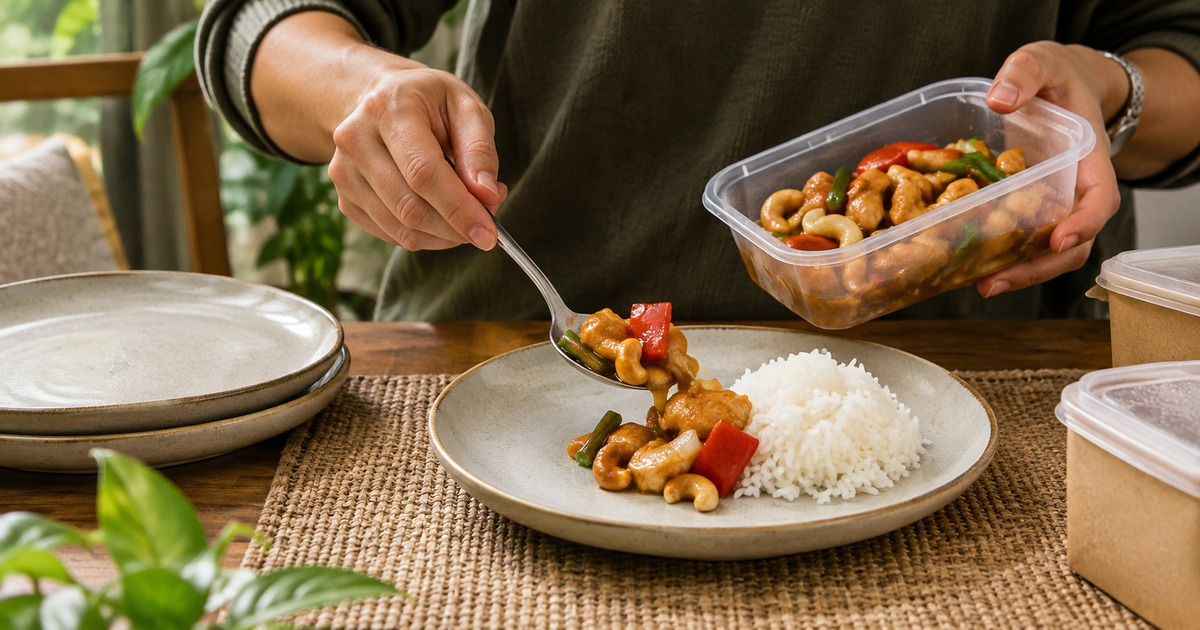
Can the arrival groups be described clearly?
Divide guests into a small number of realistic eating groups, using broad arrival windows where exact times are uncertain. Record how many people are expected in each group and whether they intend to eat on arrival. This produces a more useful plan than a total headcount accompanied by “people will come and go”.
Check whether the same guests are included more than once. Someone arriving early may still be present when later friends eat, but that does not automatically mean they need another full meal. Distinguish people who are eating from people who are simply attending at that time. Keep a separate note of anyone whose plans remain unconfirmed.
Then ask what collection timing the restaurant could support for your proposed order. More than one collection is an option to enquire about, rather than an arrangement to promise guests. Confirm feasibility, who would collect and how any change affects the order. Avoid building the event around repeated handovers that have never been agreed.
Which dishes suit the confirmed way of serving?
Choose the meal around the table, utensils and people you will actually have. Individual plates may be easier for a small late-arriving group, while a seated gathering may prefer sharing several dishes. Decide how rice and serving utensils will be provided before choosing a long list of food that will compete for limited table space.
Review the current Chanya Thai menu for possible dishes, then ask about quantities and availability for the proposed order. Curries, noodles and entrées offer different eating experiences. Their presence on a normal menu does not establish how they can be packaged or supplied for your event.
Discuss ingredient requirements for each eating group before confirming dishes. Avoid relying on a general label such as “the late group eats everything”. A suitable meal depends on the actual diners, and requirements should be communicated directly to the restaurant. Ask for guidance about the food supplied and follow the agreed handling arrangements rather than inventing your own holding timetable.
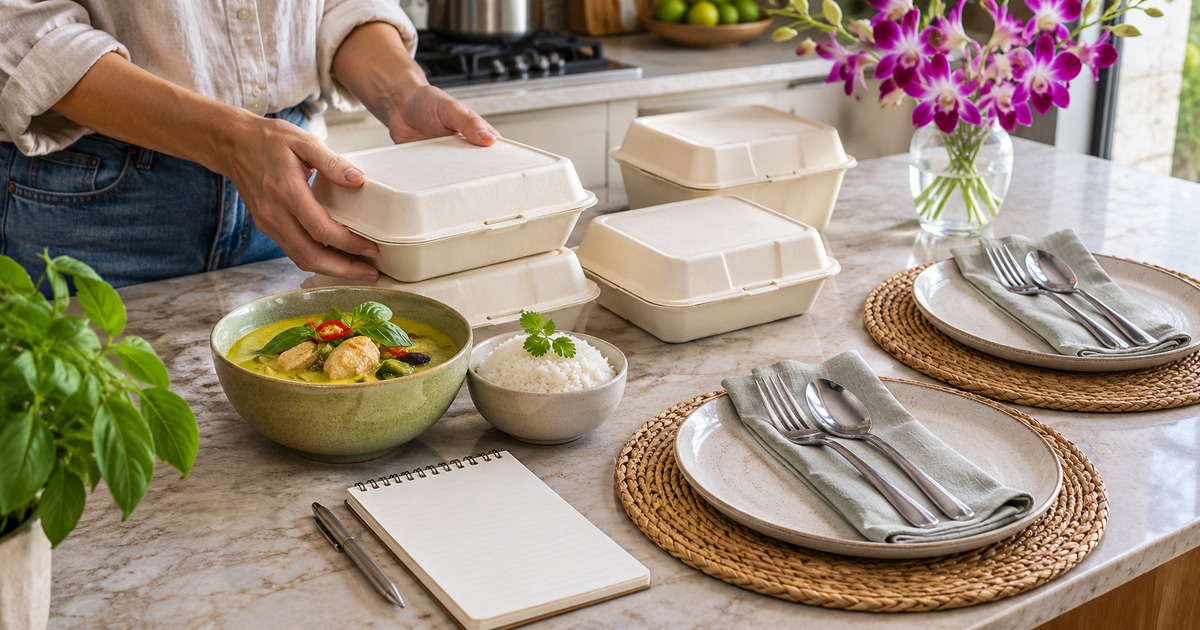
Are quantities based on diners rather than invitations?
Start with confirmed eaters for each planned sitting. Add the uncertainty as a separate planning question, rather than quietly increasing every dish. This helps the restaurant understand why the numbers may change and gives you a clear point to revisit before the order is finalised.
Think about appetites and the rest of the occasion. A full dinner after a long afternoon differs from a small meal after guests have already eaten elsewhere. Ask invitees enough to understand the occasion without trying to calculate a precise appetite for every person. Choose a manageable menu and discuss suitable quantities with the restaurant.
Keep one current version of the order. If a family changes its plans, update the relevant group and tell the person responsible for the restaurant enquiry. A second list in another message thread can easily preserve old guest numbers. The useful record shows the latest agreed count, dishes and any outstanding decision together.
Who manages changes and serves each group?
Nominate one organiser to communicate with the restaurant. That person should know which details are agreed and which are still requests. Confirm any deadline for changes directly; do not assume that a normal online order can be altered at any point before collection.
At home, decide who receives the food, identifies the dishes and prepares plates for arriving guests. If the main host is busy welcoming people, another adult can handle the agreed serving task. Clear roles make staggered arrivals easier because guests are not all asking different people where their meal is.
Keep the practical record accessible: restaurant contact, confirmed order, handover details and relevant questions. If you are considering dessert, our guide to choosing a finish that suits the main meal offers another planning question to discuss before ordering.
Does your chosen provider fit the whole plan?
- Explain the date, event format and expected eating groups.
- Confirm whether the required service is actually available.
- Agree guest numbers, dishes and any ingredient arrangements.
- Confirm collection or handover details without assuming delivery.
- Identify who supplies plates, utensils and other equipment.
- Ask about changes, practical handling guidance and the complete cost.
- Keep the latest written arrangement with one named organiser.
Choose a provider on the clarity and suitability of that arrangement as well as the menu. A simpler confirmed meal can serve guests better than an elaborate plan whose timing and responsibilities remain uncertain.
Build the meal around the people arriving
Good Thai food catering enquiries begin with an honest description of the gathering. Establish whether one sitting is possible, identify the service required and confirm the responsibilities around each eating group. Clear meal planning gives the host and guests a more comfortable event.
Planning a group meal in Albany? Call 08 9800 1901 to ask Chanya Thai about your date and proposed group order. Confirm what is available before promising a service or timetable to your guests.
Frequently asked questions
Does Chanya Thai provide event catering?
That service is not confirmed here. Contact the restaurant about your event and establish whether a suitable group takeaway arrangement or another option is available.
Should every arrival group have a separate order?
Not automatically. First check whether guests can share one sitting, then discuss any practical alternative with the restaurant before making arrangements.
Can I organise several collection times?
Ask whether the restaurant can support the proposed timing and order size. Treat multiple collections as unconfirmed until a clear arrangement has been accepted.
What should I record after the gathering?
Keep actual diner numbers, the final order and a few notes about timing and serving. That context helps you make a clearer enquiry for the next event.